Archive for the ‘DIY’ Category

DIY Book Page Flower Tutorial (With Free Printable)

Tuesday, April 30th, 2013

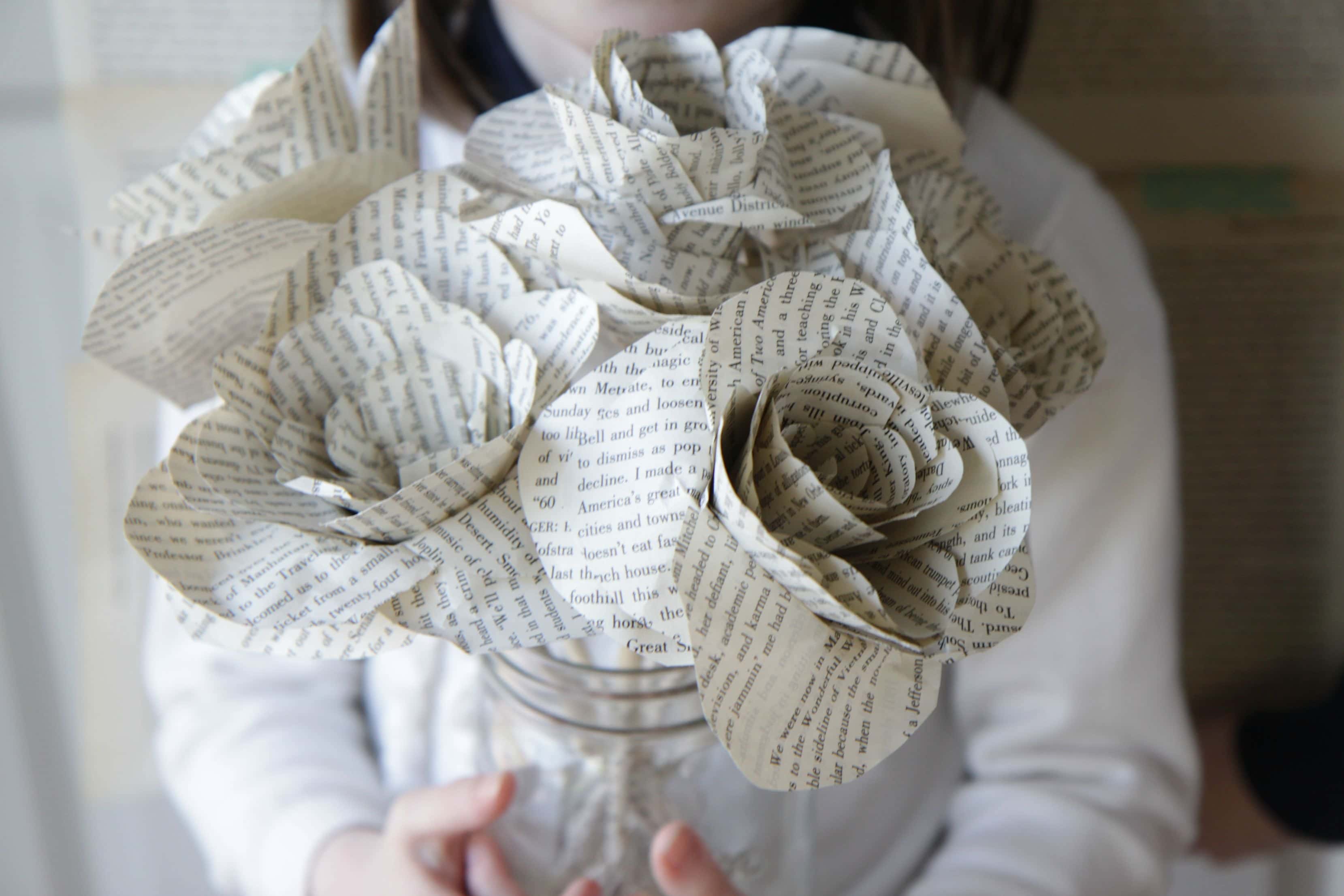
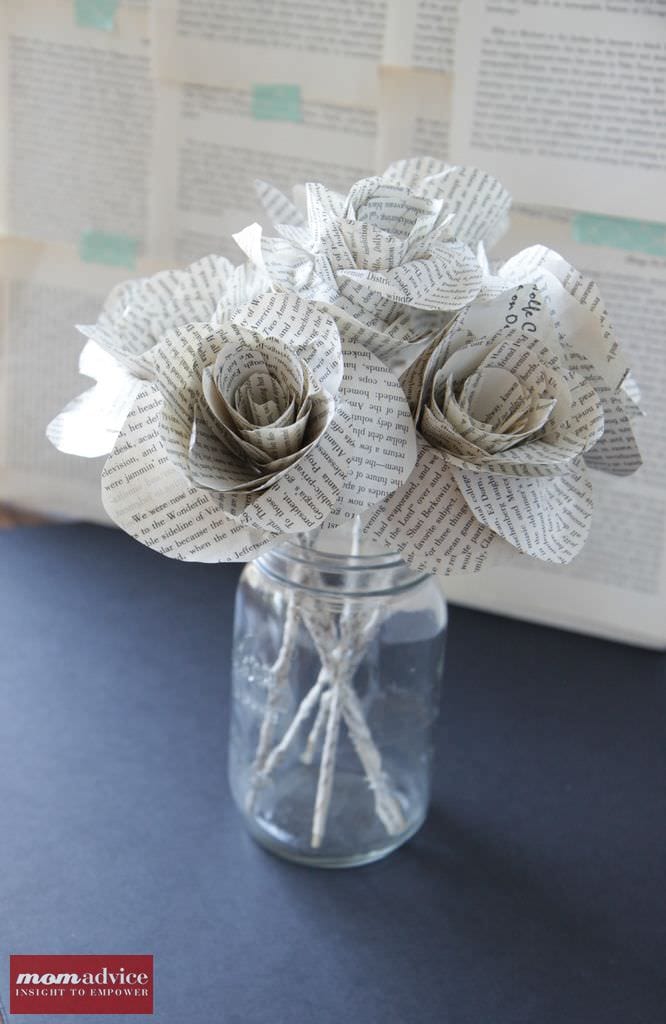
If there is one thing our family loves to do it is spoil our teachers. Today I am sharing how to make book page flowers out of old books to brighten a teacher’s day. I hope you will enjoy this book page flower tutorial and be able to use our free printable to create your book page flowers.

As you know, book page crafts are something that I have recently grown fond of and I wanted to create a bouquet of book page posies that you could share with a favorite teacher. A great way to build upon this thrifty gift is to pair it with a gift card to a favorite local bookstore for your teacher.

Supplies Needed:

1 old book/textbook (I picked one up at Goodwill for $.50- it was WELL loved with loads of notes, yellowed edges, and bent corners.)
Jar or Vase
Grilling skewers
Hot Glue Gun
Glue Sticks
Book Page Flowers Template

Directions:

1. Cut out your five flower petals from the provided flower petal template

2. Begin by pulling out five pages of your book and leave them stacked. Using one of your flower petal templates as a guide, cut out your first petals. Since you are cutting through the stack of papers, you should have five petals cut. Repeat this process with the other four petal templates until you have five of each kind.

3. Using your grill skewer as a paper shaper, roll each of the petals to create curving of the petals around it. I simply rolled these around the skewer, then released them.

4. Pull out another page from your book and tear a strip lengthwise from the book. Just as you would with floral tape wrap, pulling down gently, the skewer with the strip from your page. You may need two strips to cover the entire length. (pictured above).

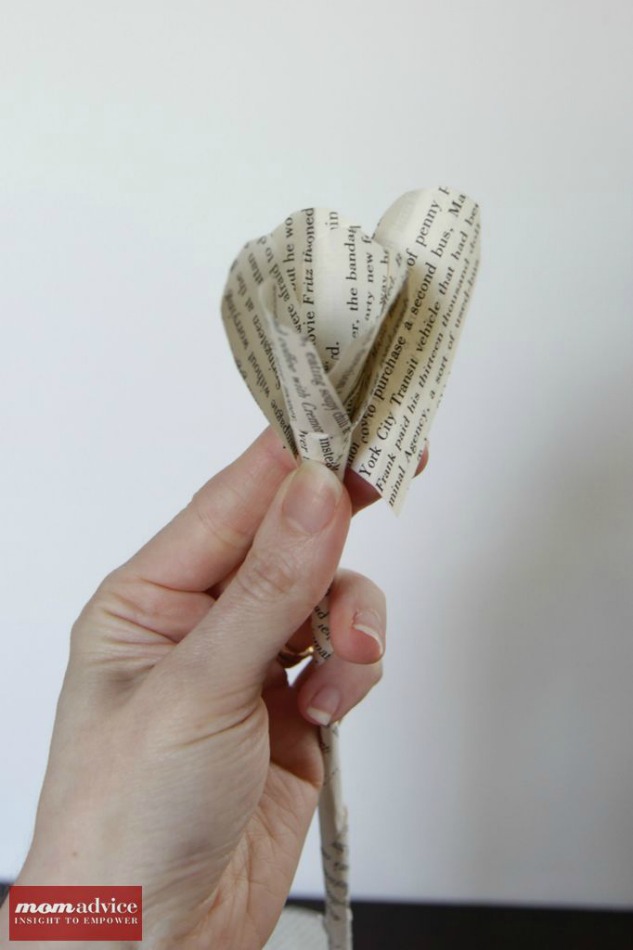
5. Tear another strip lengthwise and roll this at the top of your skewer to create the center of your flower (just ignore that bare stem!).  I just add a bit of glue at the beginning and then a bit of glue at the end to hold it together. Now you are ready to start adding your petals.

6.  Add a drop of glue almost at the edge of the bottom of your petal and begin with the smallest layer. Add these petals all around the flower center. Repeat this process with the petals the next size up. Repeat again, again, and again until all of the petals are attached to your flower. If the base feels loose at all, add a little dab of hot glue around the bottom of the flower with your hot glue gun.

DIY Book Page Flower Tutorial
7. Finish by placing them in a thrifted jar or vase and spread and fluff the petals of your flowers. Give these to your favorite teacher with a gift card to their favorite bookstore.

Be sure to check back this week for more fun teacher gift ideas!

Pin It

Skip to My Lou Teacher Appreciation Series + Giveaway

Saturday, April 27th, 2013

Today I am over at Skip to my Lou guest posting today for a Teacher Appreciation Series.

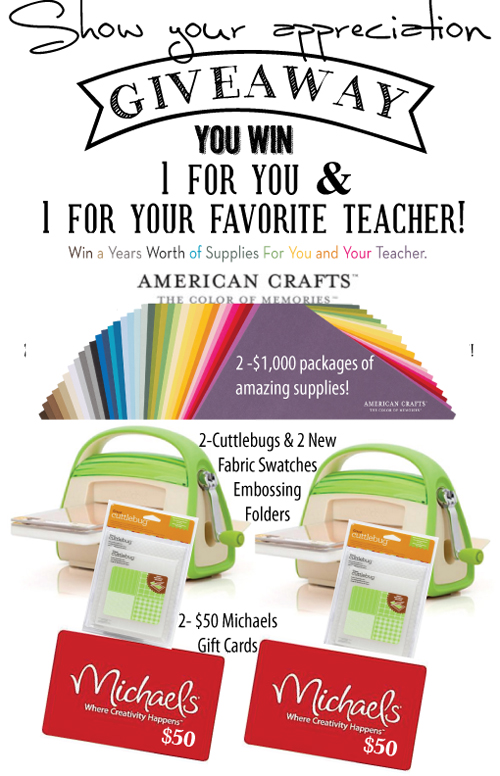
As part of the series I get to share this fabulous: Show your Appreciation Giveaway {1 for you and 1 for your favorite teacher}!

This is one AMAZING giveaway!
We are giving away a fabulous Prize Package worth more than $1,000!
One lucky winner and their favorite teacher will receive…

Watch your creativity take shape! Using unique rolling technology, the Cricut Cuttlebug(tm) machine can cut shapes, emboss shapes, or cut and then emboss shapes to add texture and dimension to your latest creative endeavors. Great for School projects!
Did you know the cuddlebug accepts the dies you already own? Plus the Cricut Cuttlebug(tm) loves the materials you love, freeing you to cut and emboss from a wide range of crafting materials.

  • 2 Michaels gift cards $50 each Don’t forget to tell your teacher they can get 15% off every day at Michaels with their special teacher discount!
  • 2 Bundles of a years worth scrapbook supplies from American Crafts (valued at more than $1,000)! Basics like paper, scissors, trimmers, glitter, etc. – and then some fun patterned paper to take you both through the entire year!

It is easy to enter simply wait for rafflecopter to load and enter there.

a Rafflecopter giveaway

If you really want to win Remember to follow the entire series because you can get a new entry each day by visiting the featured blogger!

Easy Knitted Ruffled Scarf With Sashay Yarn

Monday, April 1st, 2013

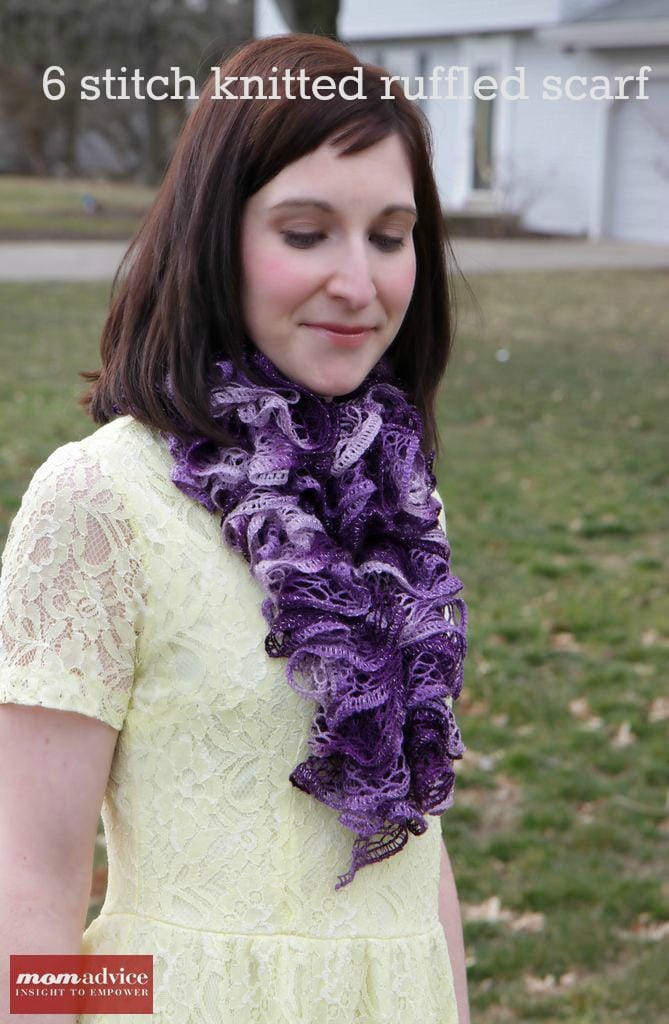
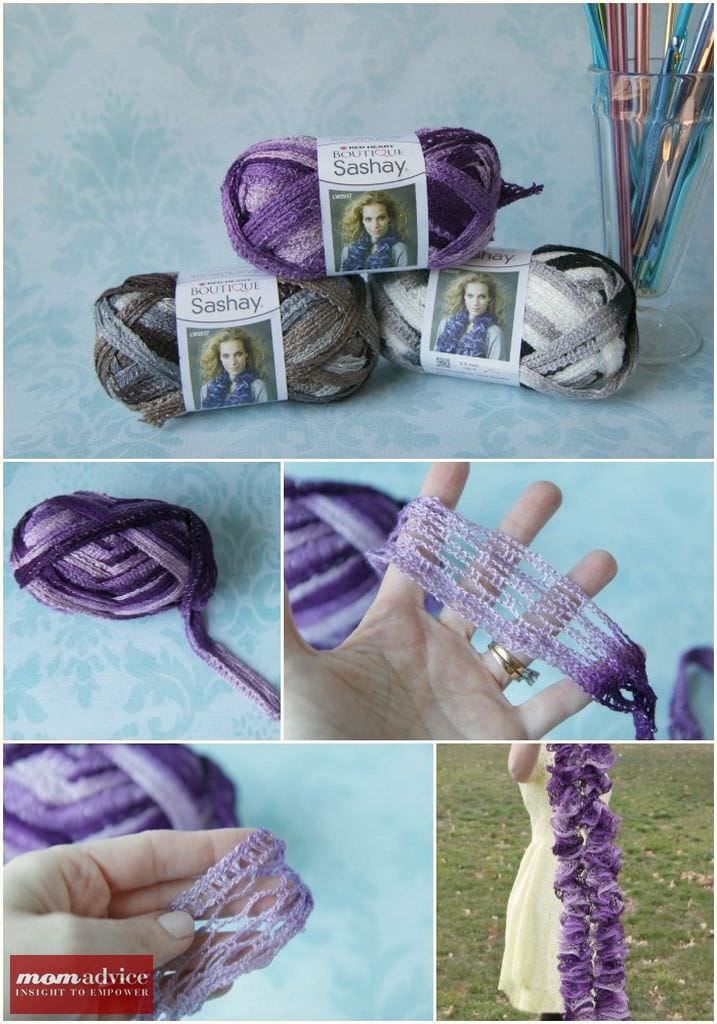
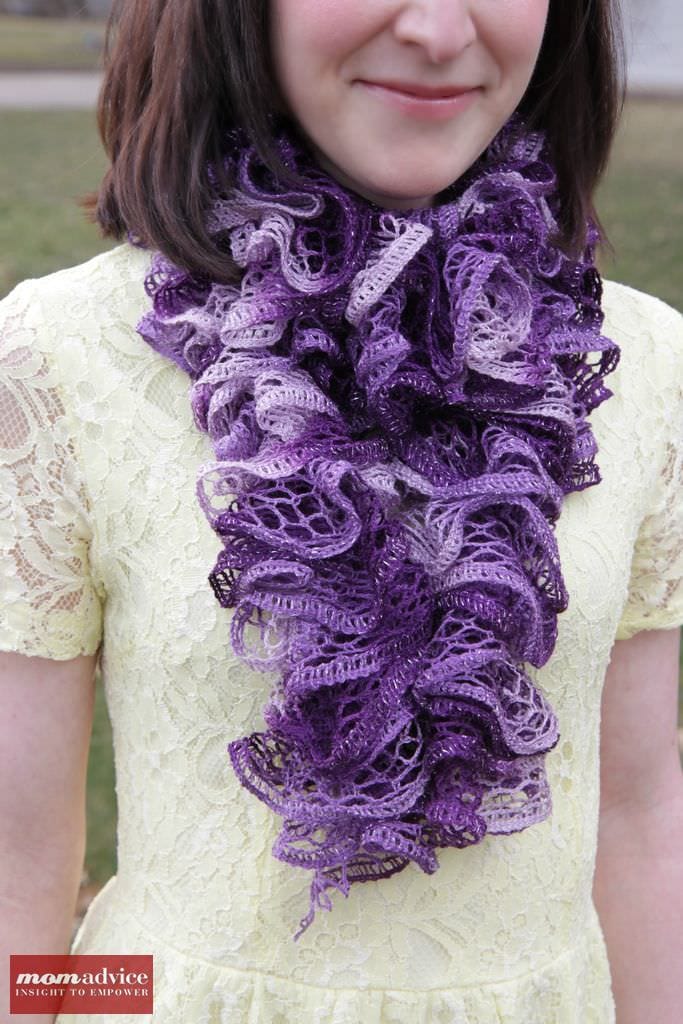
I love to find fast & easy knitted projects and today I have the perfect beginner knitting project for you using a new yarn from Red Heart called Sashay Yarn. Red Heart Boutique Sashay Yarn is a unique yarn that creates a beautiful ruffled scarf with a simple six stitch cast-on. Red Heart sent me this yarn and some knitting supplies to show off just how easy it is to create a project with this inexpensive and fun yarn.

The first thing you will notice is that this yarn is very different than a traditional yarn. I will admit that I usually avoid novelty yarns except for trimming knitted projects so it is the type of yarn that I have probably walked by countless times at our local Walmart. Instead of a traditional single strand, this yarn is actually a woven yarn that features a touch of metallic for an extra edge to your ruffled projects. The yarn is made of 97 percent acrylic and 3 percent metallic polyester. One skein yields 30 yards of yarn, which can create a five foot ruffled scarf with just one ball.

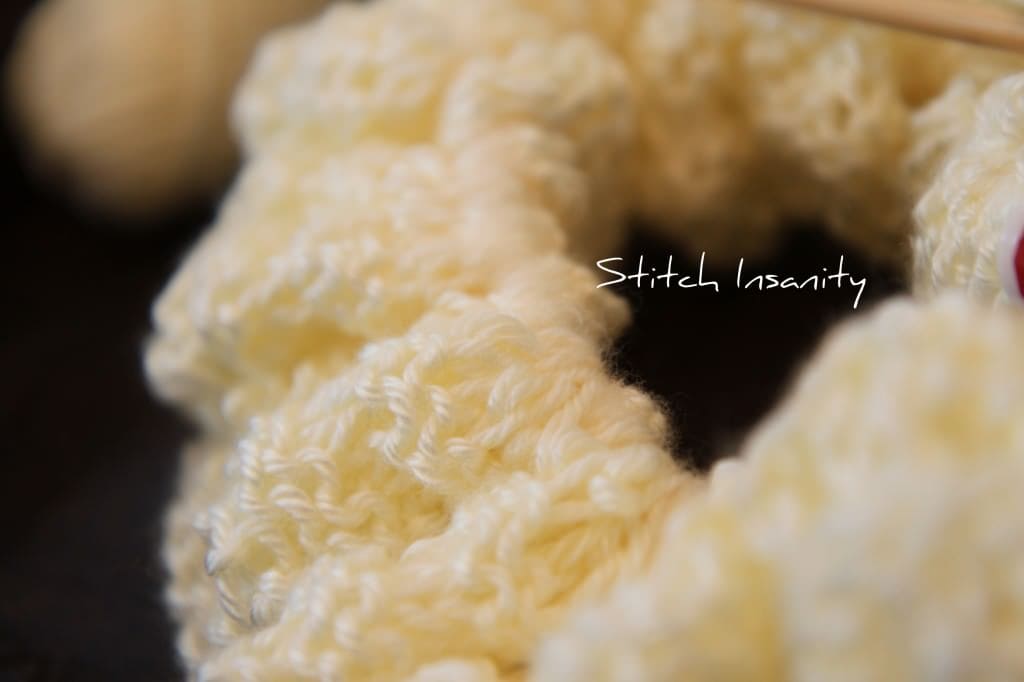
Longtime readers may have remembered these amazing ruffled scarves I knitted for gifts one Christmas. As the last picture shows you, it was an insane amount of stitches that required an infinite amount of patience to cast on and to cast off. The last two rows on this scarf had over a thousand stitches each. The beauty of that ruffle made it all worthwhile, but for a beginning knitter, this process is both daunting and time-consuming. For an experienced knitter, it just takes a long time to  yield impressive results.

Knitting with Sashay Yarn creates a fast ruffle in no time and with only six stitches cast on!  As you can see from this picture, the yarn is already woven so it creates the ruffle without you needing to knit it and when knitting this scarf, you just gather this woven yarn into ruffles with simple garter stitches.

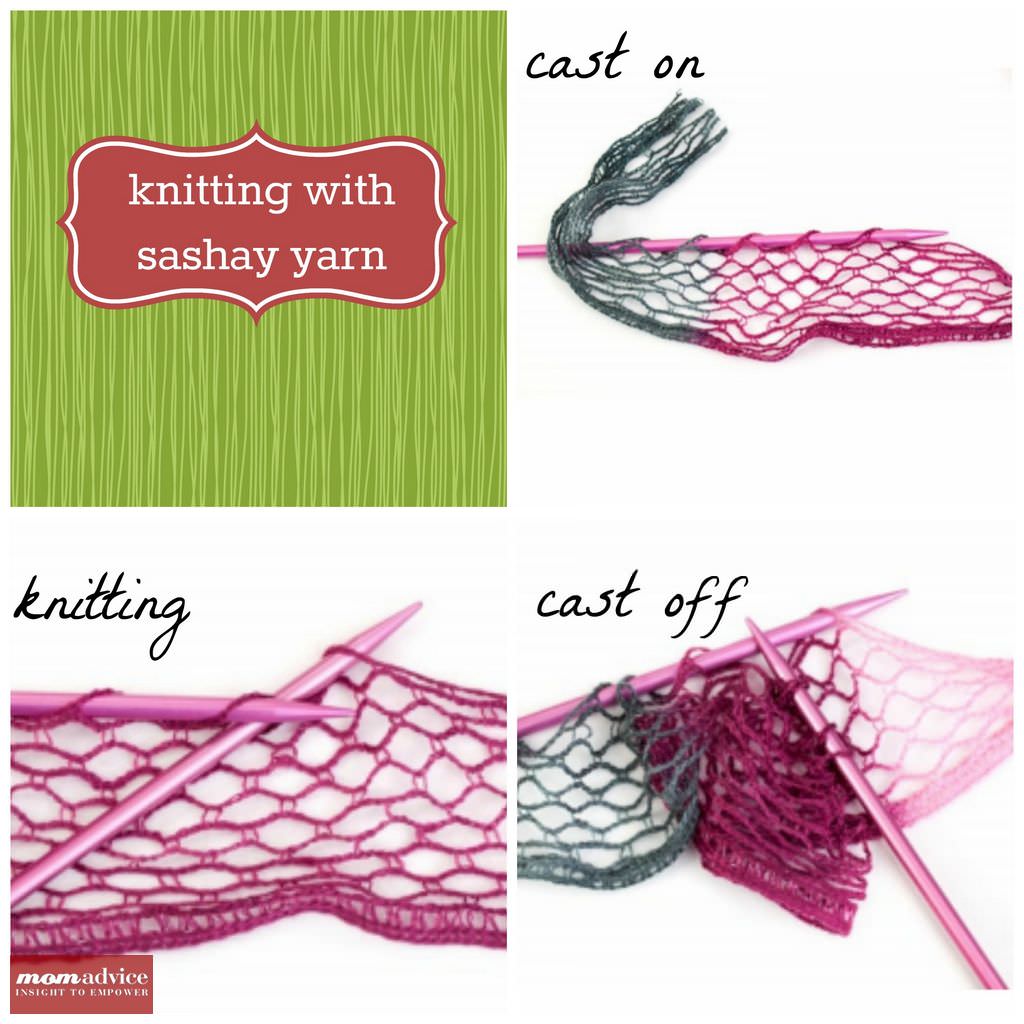
Rather than casting on with your traditional cast-on, you will simply pick up stitches off of the edge of the yarn. When knitting, you knit as you would normally, just picking up along the edge, but you skip the first loop of yarn and then slip into the second loop for the stitches. Casting off is done in the same way, with the skipping of one loop between each stitch, and then with the final loop of thread on your needle, you just weave the tail end through to finish your project. I then trimmed the edges of my scarf to make them even.

Some of my own personal recommendations when knitting this pattern (linked below)  are to choose needles that are shorter in length and to use bamboo ones (these are the ones that I use)  that will help to grip the threads better and keep your stitches in place.

The scarf is simply stunning and costs a mere $4.67 (at Walmart) to create and took about two nights of knitting to create. With simply six stitches and no pattern to follow, this is the perfect project to do while watching your favorite shows on television or to take with you while the kids are doing their extracurricular activities.

I imagine that this will make a perfect Mother’s Day gift this year and I can’t wait to show you what else I am up to with the next ball of yarn I have! What can I say? I am addicted to fast and easy projects these days!

Grab the Free Knitted Ruffled Scarf Pattern HERE.


Grab the Free Crocheted Ruffled Scarf Pattern HERE.


Let’s be friends on Ravelry (you can find my project there!) and check out my other Knitting Projects.

 
Watch my favorite You Tube tutorial I found on how to knit with this yarn below. It really helped me to get the hang of it and I think it can help you too!
 

Pin It

11 Fun New Ways to Decorate Eggs

Friday, March 22nd, 2013


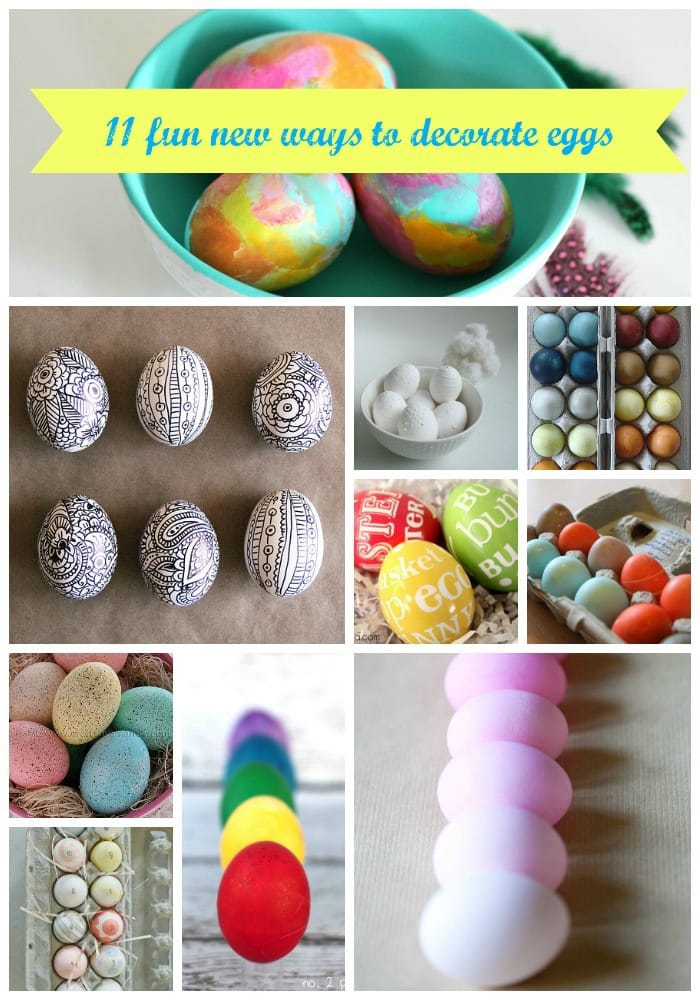
Easter is just around the corner and we have you covered with 11 fun new ways to decorate your eggs this year.

Before you tackle these egg dying projects, be sure to check out the store for fun ways to display your beautifully dyed eggs.

Your favorite thrift or discount store offers a plethora of choices for beautiful glasses, jars, cake stands, baskets, and bowls in the Housewares department to showcase your handmade beauties!

Here are 11 new ways I have discovered to decorate your eggs this year!

I have a feeling you are going to LOVE these new spins on egg dying and decorating.


Trying to create a statement?

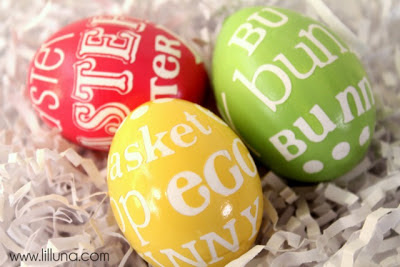
These Subway Art Eggs with Lil’ Luna are just the subway ticket!


Why should Christmas be the only advent holiday?

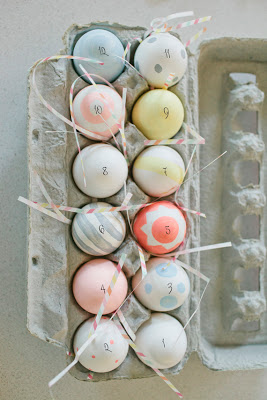
Tackle a countdown to Easter with a dozen eggs from A Subtle Revelry.


Do you have packets of Kool-Aid in your pantry?

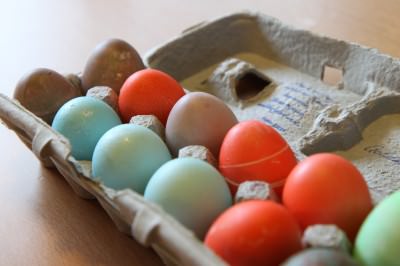
Put them to work with Kool-Aid dyed eggs from MomAdvice!


Budding artists in your family?
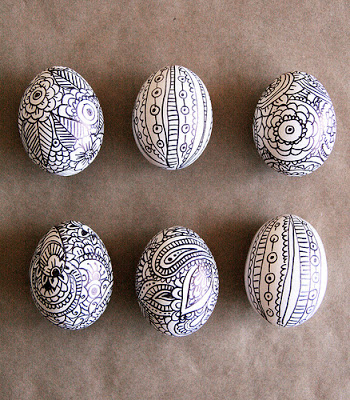
Give them a Sharpie and let them create beautifully decorated doodled Sharpie eggs from Alisa Burke.
Watercolor prints are a hot trend right now.
Replicate that beauty by letting your kids create watercolor eggs with Nest of Posies.
Do you gravitate towards a more minimalist decor?
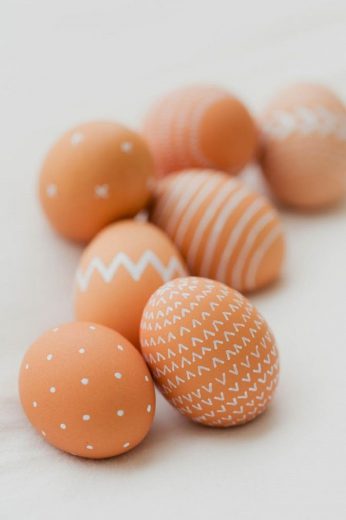
These minimalist Easter eggs are a sweet & simple nod to the season from Kaley Ann at Live Well Travel Often.
Do you prefer your eggs bright like a rainbow?
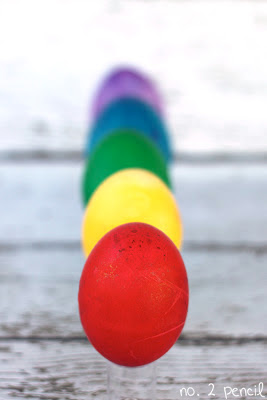
These rainbow dyed eggs are vivid in hue and statement from no. 2 pencil.


Love using more natural elements in your decor?
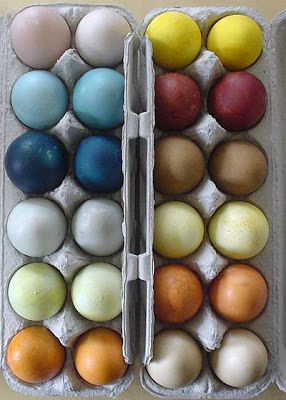
These naturally dyed Easter eggs are dyed with a variety of items you probably already have in your pantry & fridge from Two Men & a Little Farm.


Can’t choose between colors?

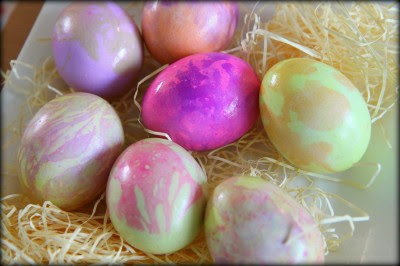
Try this simple marbleizing technique created from pantry items from MomAdvice.


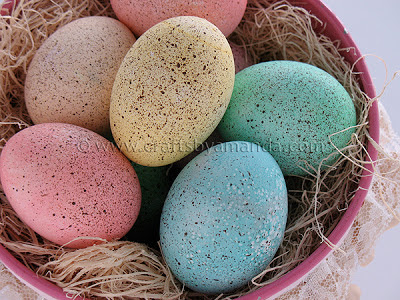
One thing that will never go out of style is the sweetly speckled egg and you can find a tutorial for this technique over on Crafts By Amanda.


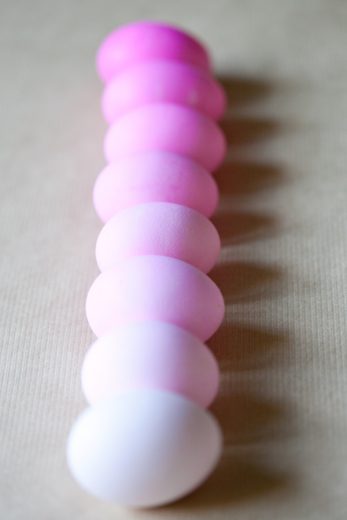
Should you be feeling a little more trendy, you can create beautiful ombre eggs in your favorite hues from Sugar and Charm.


I hope these ideas inspire you and be sure to visit your local thrift store for cute supplies to show off these beautiful eggs.
Not only will you have a fun new nod to the season, but you will be able to do it all on a budget that fits absolutely beautifully in your life. (image source: momadvice)

What is your favorite way to dye or decorate eggs?

Feel free to chime in below!


Don’t Miss these other great ideas from MomAdvice.com:


Peep Martinis


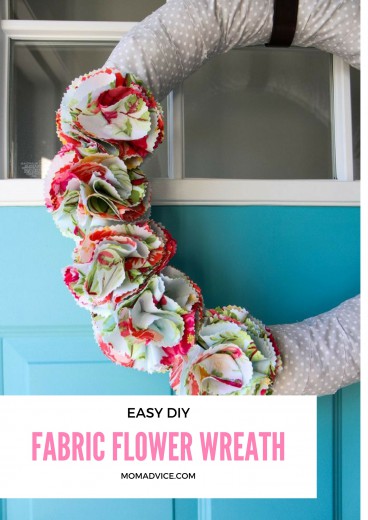
Easy DIY Fabric Flower Wreath


Peep Wreath


spring-easter projects

21 Fun Easter & Spring Projects


Sign up for the MomAdvice newsletter


Pin It

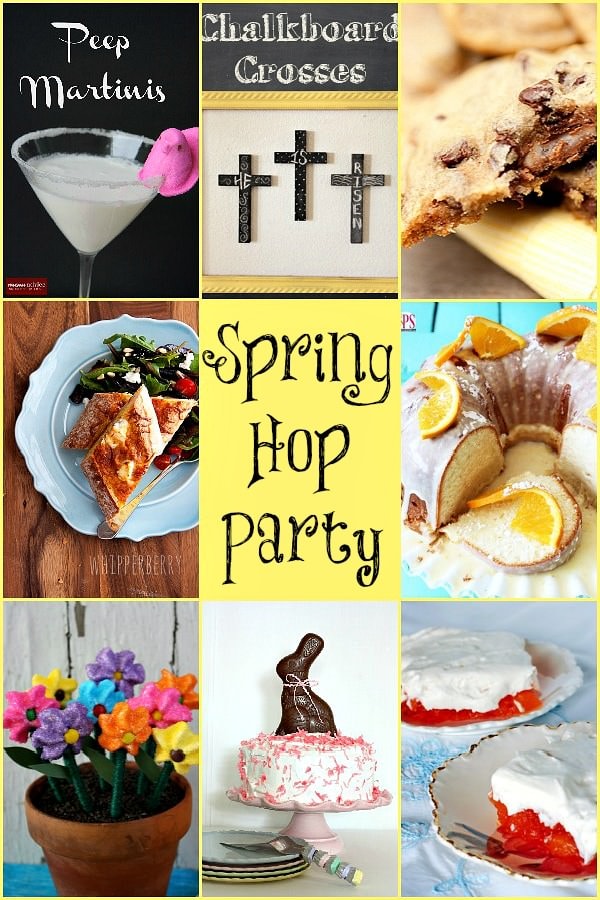
Spring Hop Party

Friday, March 22nd, 2013

I hope you have been enjoying all of the fun Spring projects that we have been sharing with  you this week. It has been so fun to see everyone’s take on Spring and the fabulous projects that each of these bloggers has been sharing!

Did you miss any of the projects? Here are all of the great hostesses that offered a fun project to try this week!

■       Karly from Buns in my Ovenfollow on Pinterest

■       Tiffany from Eat at Homefollow on Pinterest

■       Liz from Hoosier Homemadefollow on Pinterest

■       Amy from MomAdvicefollow on Pinterest

■       Kellie from Nest of Posiesfollow on Pinterest

■       Amy from Positively Splendidfollow on Pinterest

■       Lisa from The Pennington Pointfollow on Pinterest

■       Heather from WhipperBerry follow on Pinterest

Now it’s time for you to share! We will be pinning your great projects, so be sure to follow each of the bloggers. You will find their Pinterest accounts listed after their name!

Note- If you are viewing this post in your email or RSS feed, you may need to pop on over to see all the great Spring projects that have been added to the party!

Let’s get this party started!


Pin It

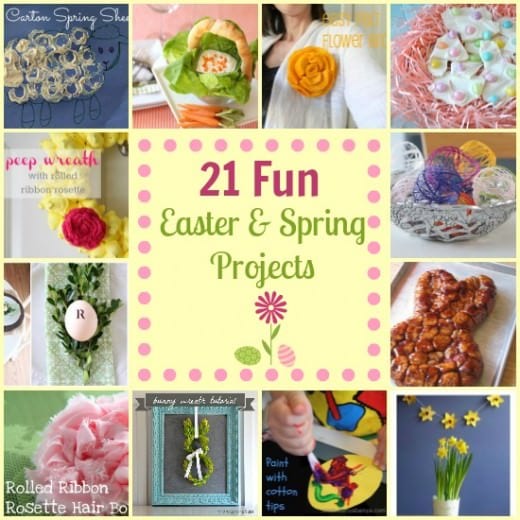
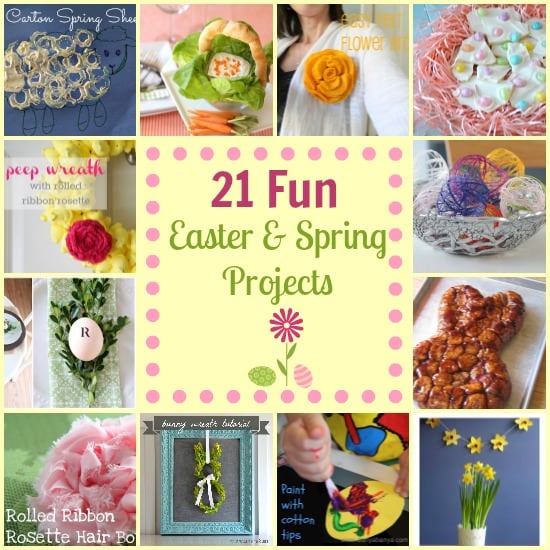
21 Fun Easter & Spring Projects

Wednesday, March 20th, 2013

spring-easter projects

I’m back with another round-up of great ideas for you – this time it’s lots of fun (and simple!) Easter & Spring projects. Between the Mom Advice archives and all the other inspirational projects I found, I knew I couldn’t limit myself to only one area, so you’ll find projects for the whole family to cook, craft, or decorate – for the holiday and beyond. In other words, something for everyone!

Cooking Projects:

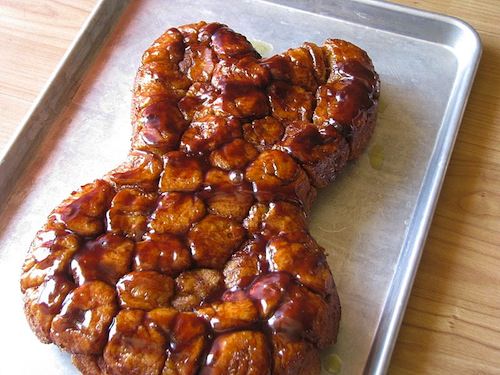
Bread_Machine_Bunny_Bread

Bread Machine Bunny Bread @ Mom Advice

Bunny-Easter-Carrot-Dip

Bunny Carrot Dip @ Pizzazzerie

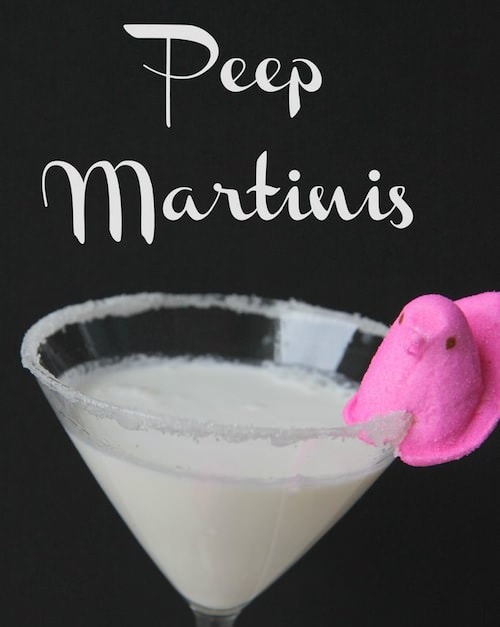
Peep_Martinis

Peep Martinis @ Mom Advice

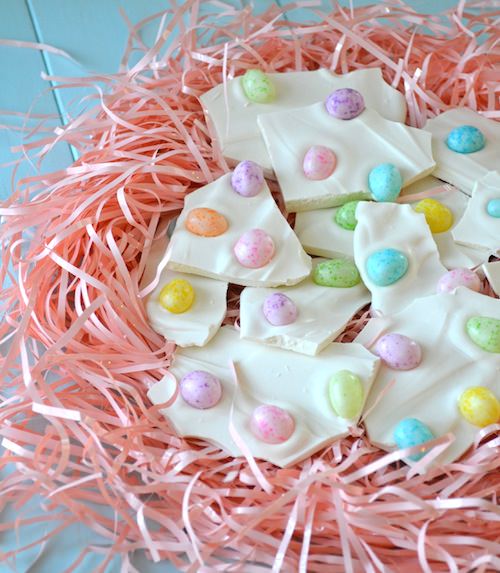
Easter-Egg-Bark

Jelly Bean Bark @ The Frugal Girls

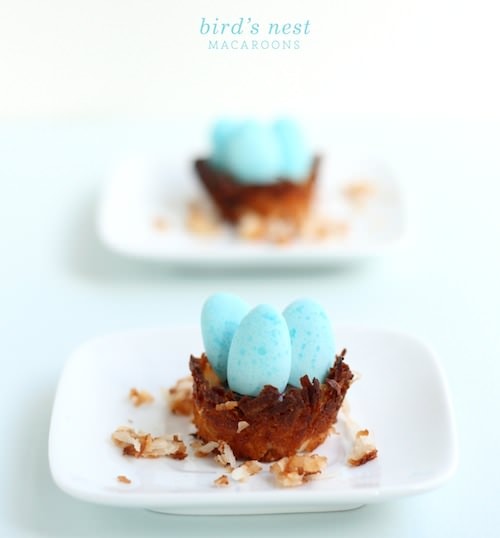
birds-nest-macaroons

Bird’s Nest Macaroons @ Faux Martha

bunny krispie pops

Chubby Bunny Krispie Pops @ Shaken Together Life

And when you’re ready for nourishing food,

vegetable soup with pesto

Spring Vegetable Soup with Pesto @ Healthy Delicious

Crafting Projects:

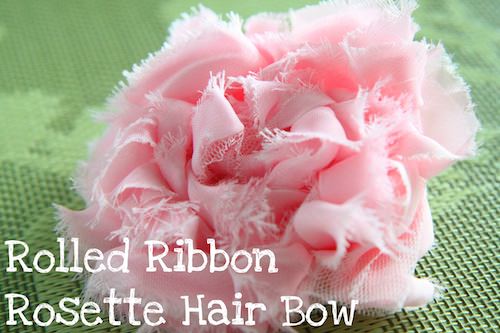
Rolled_Ribbon_Rosette_Hairbow

Rolled Ribbon Rosette Hair Bow @ Mom Advice

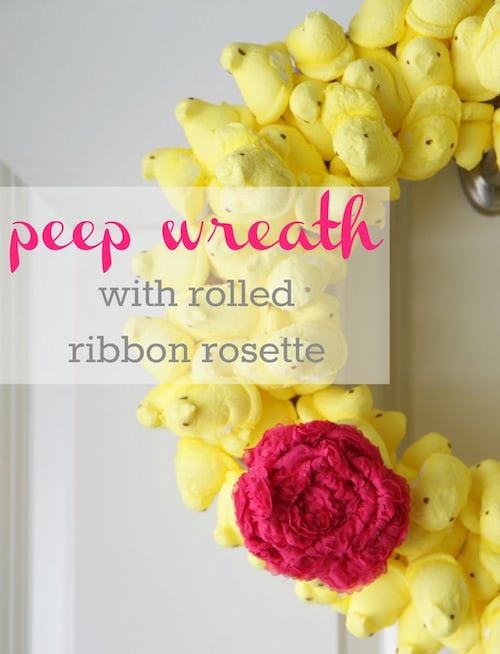
DIY_Peep_Wreath

DIY Peep Wreath with Rolled Ribbon Rosette @ Mom Advice

Paint with cotton tips

Paper Eggs Cotton Tip Painting @ Danya Banya

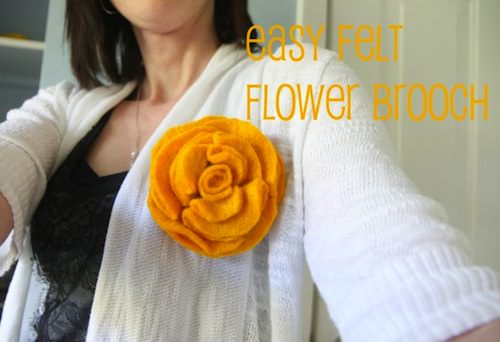
easy_felt_flower_brooch

Felt Flower Brooch @ Mom Advice

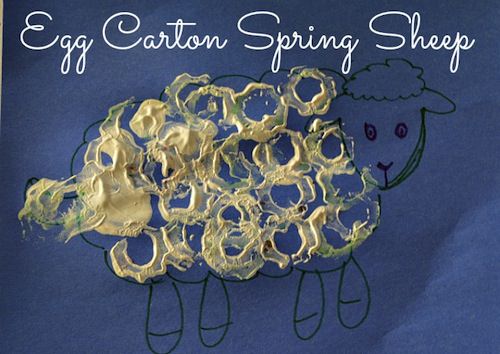
egg-carton-spring-sheep

Egg Carton Painted Sheep @ Blog Me Mom

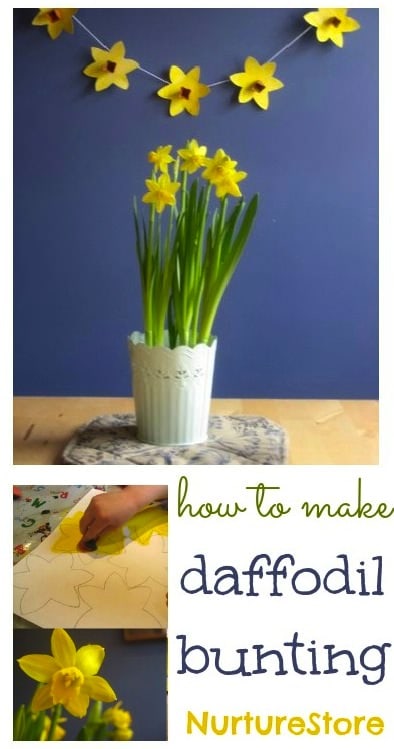
spring-craft-daffodil-bunting

Daffodil Bunting @ Nurture Store

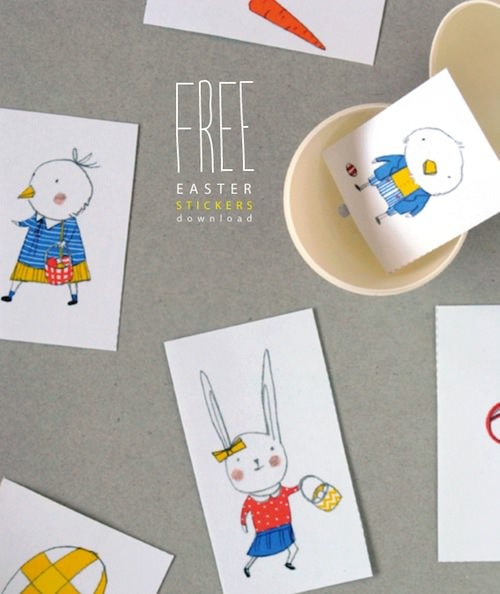
DIY Easter Stickers

DIY Easter Stickers @ MerMag Blog

Decorating Projects:

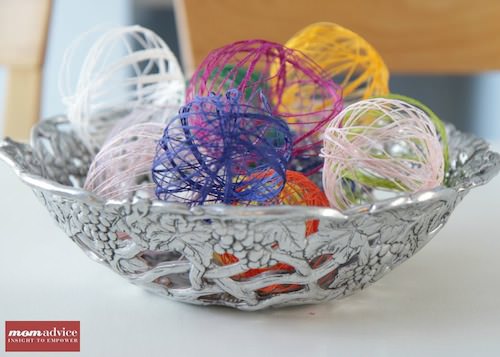
Embroidery_Thread_Easter_Eggs

Embroidery Thread Eggs @ Mom Advice

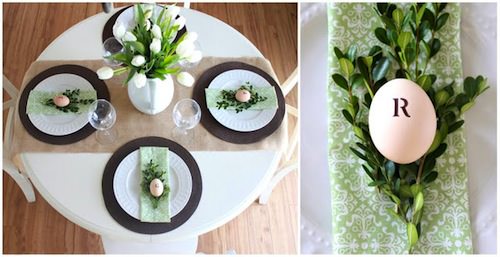
Simple Spring Tablescape

Simple Spring Tablescape @ Love of Family and Home

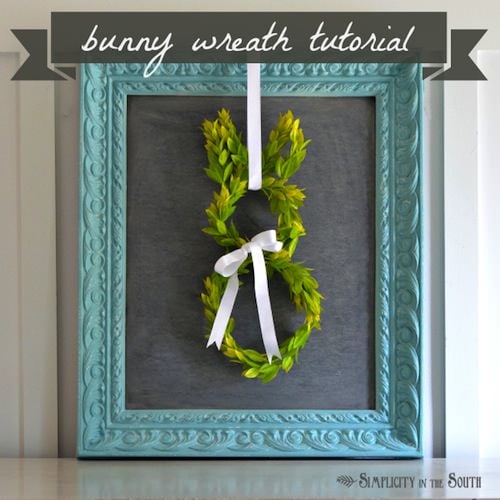
Bunny-boxwood-wreath

Boxwood Bunny Wreath @ Simplicity in the South

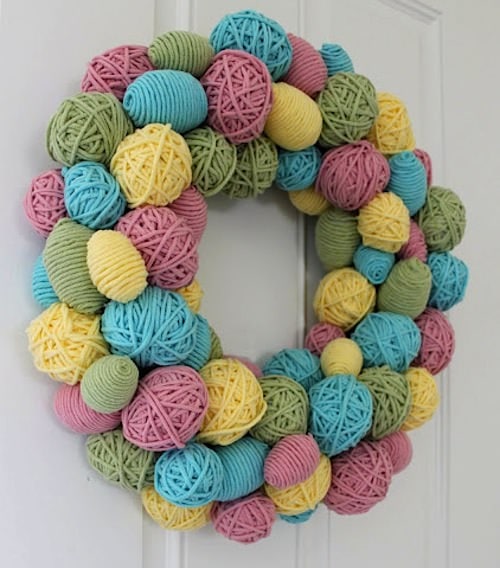
yarn-egg-wreath

Yarn Egg Wreath @ The Sweet Survival

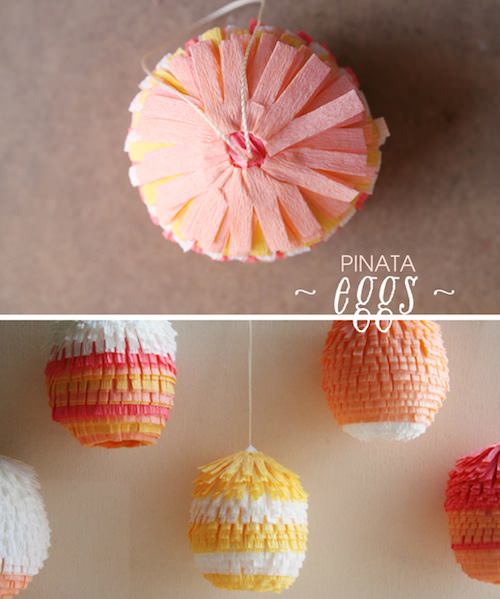
pinata-eggs Pinata Eggs @ A Subtle Revelry

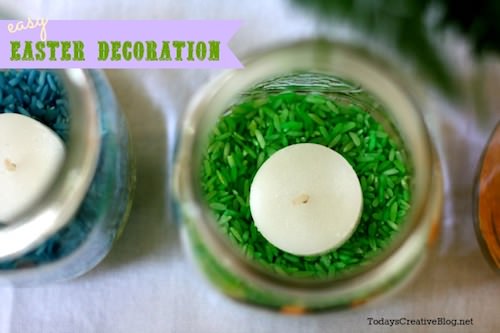
Easy-Easter-Decorating-with rice Colored Rice Easter Decoration @ Today’s Creative Blog

And last, but not least, how about some help cleaning up after all this fun?

Big-Spring-Clean-Part-1

The Big Spring Clean @ Living Well Spending Less

Happy Easter!

Pin It

Homemade Whole Wheat Toasted Tarts

Tuesday, March 19th, 2013

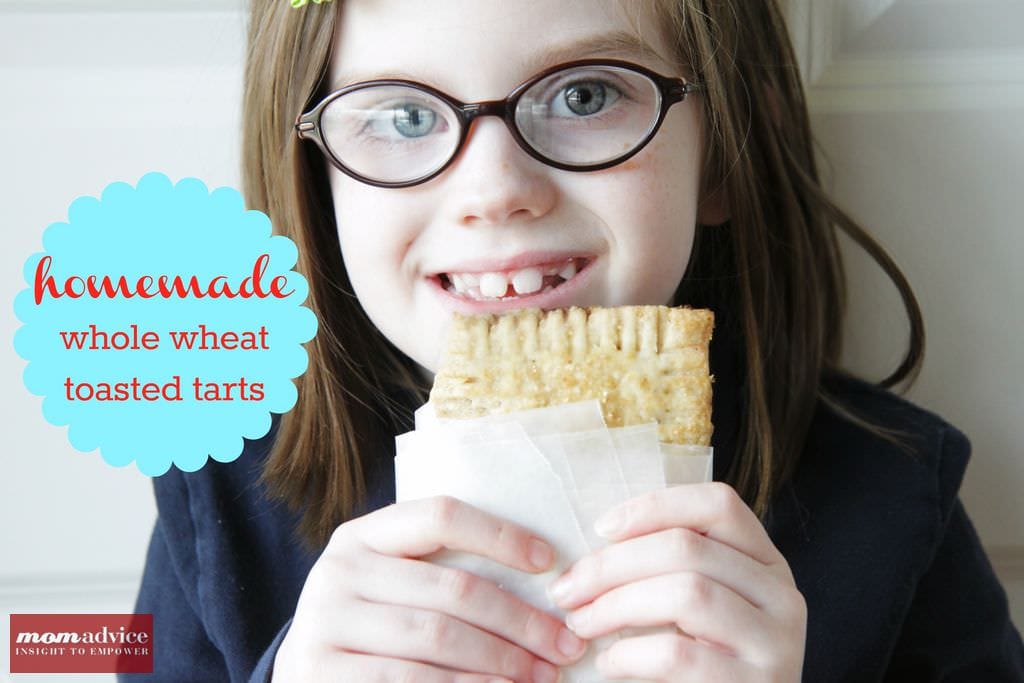
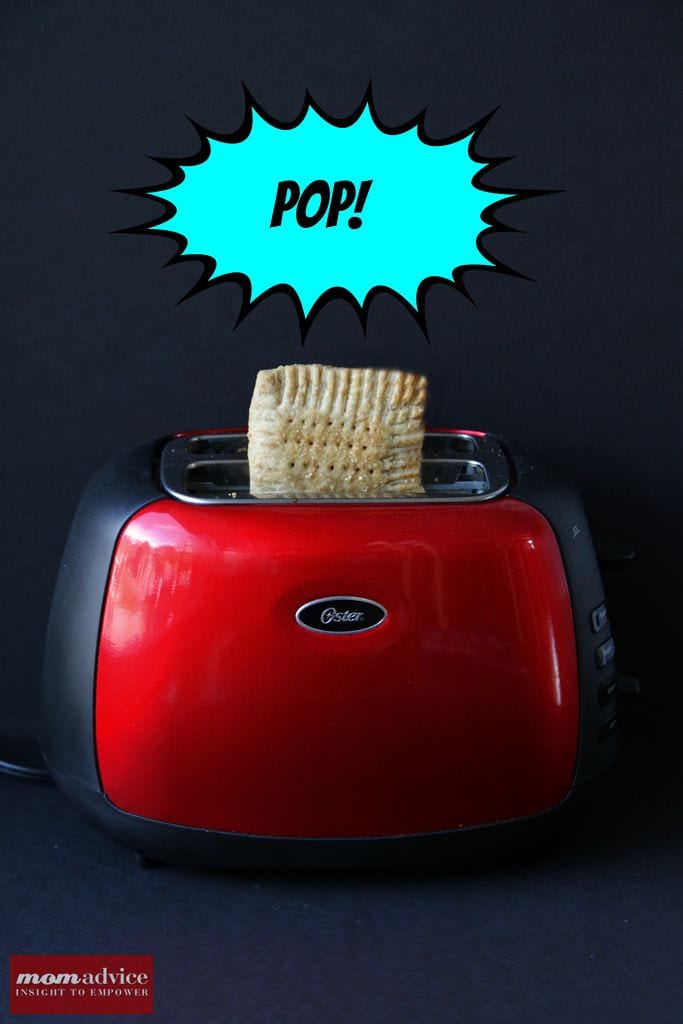
I love, love, love breakfast tarts and today I wanted to share with you a cute homemade whole wheat toasted tart version of this delicious treat that you can make right in your own kitchen. This recipe for whole wheat toasted tarts is so delicious that you won’t believe how much yum can be packed into one little treat.

These whole wheat toasted tarts incorporate a little whole wheat flour and in lieu of a frosting topping, I have mixed raw sugar & wheat germ for a sweet and toasty combination of deliciousness that is a little bit healthier than sprinkles and frosting (although we do love sprinkles and frosting around here too!).

I had never eaten a homemade toasted tart before and can I say…holy yum?! These are flaky, sweet-but-not-too-sweet, and just the right balance of filling and crust.

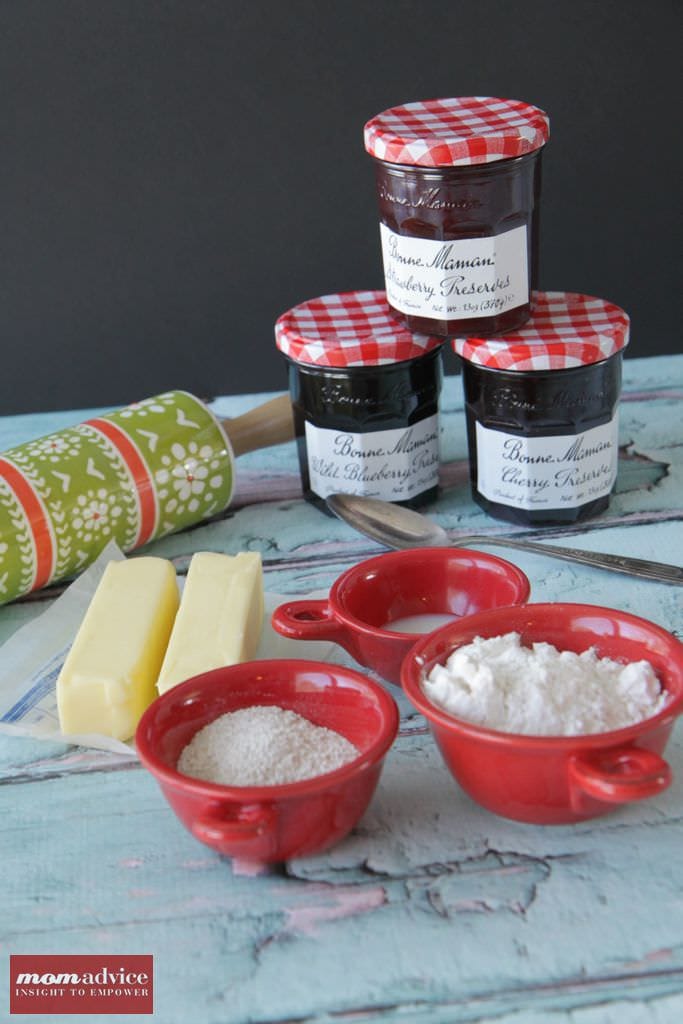
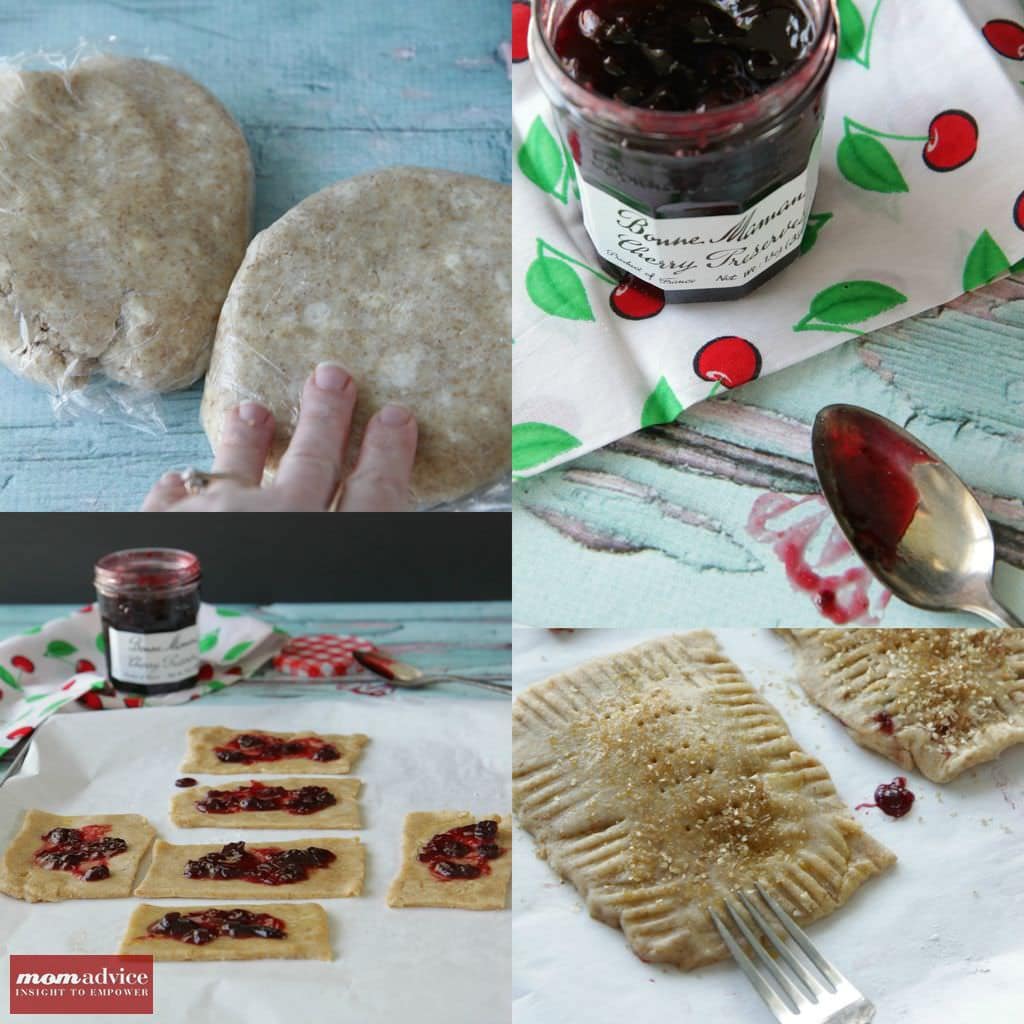
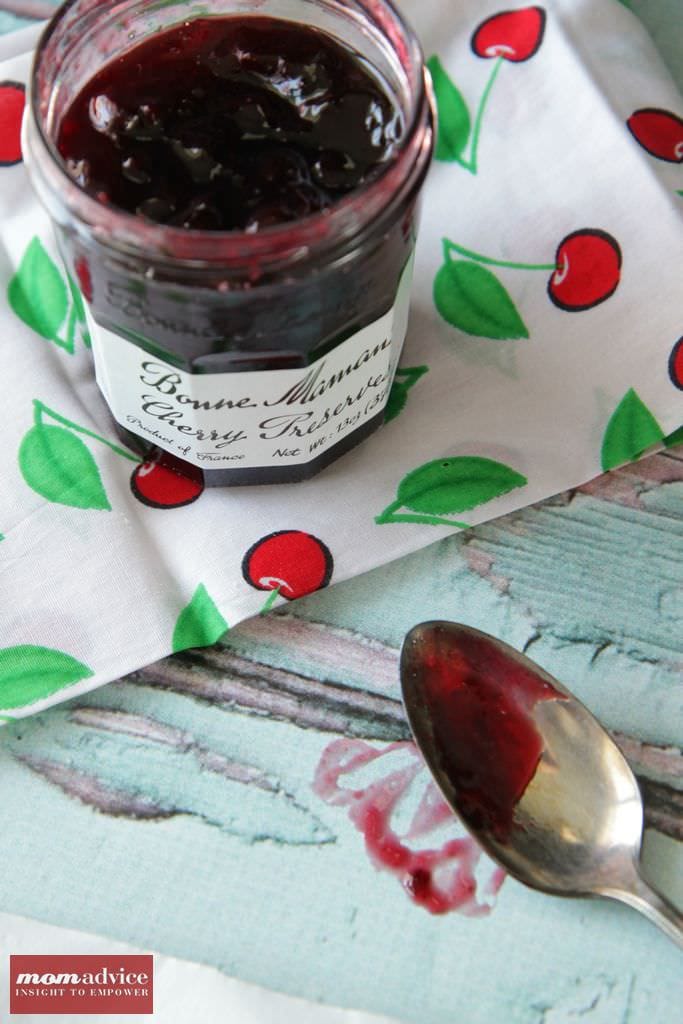
I hit my local Walmart store to grab supplies for this yummy treat. They offer absolutely delicious gourmet Bonne Maman fruit preserves that have become a special treat in our house for everything from waffle topping to my kid’s peanut butter & jellies. They retail for $3.95 each and come in delicious berry combinations, strawberry, cherry, and wild blueberry. One of these days I will get the hang of canning, but for now, these are my go-to preserves and make a delicious filling for homemade toasted tarts.

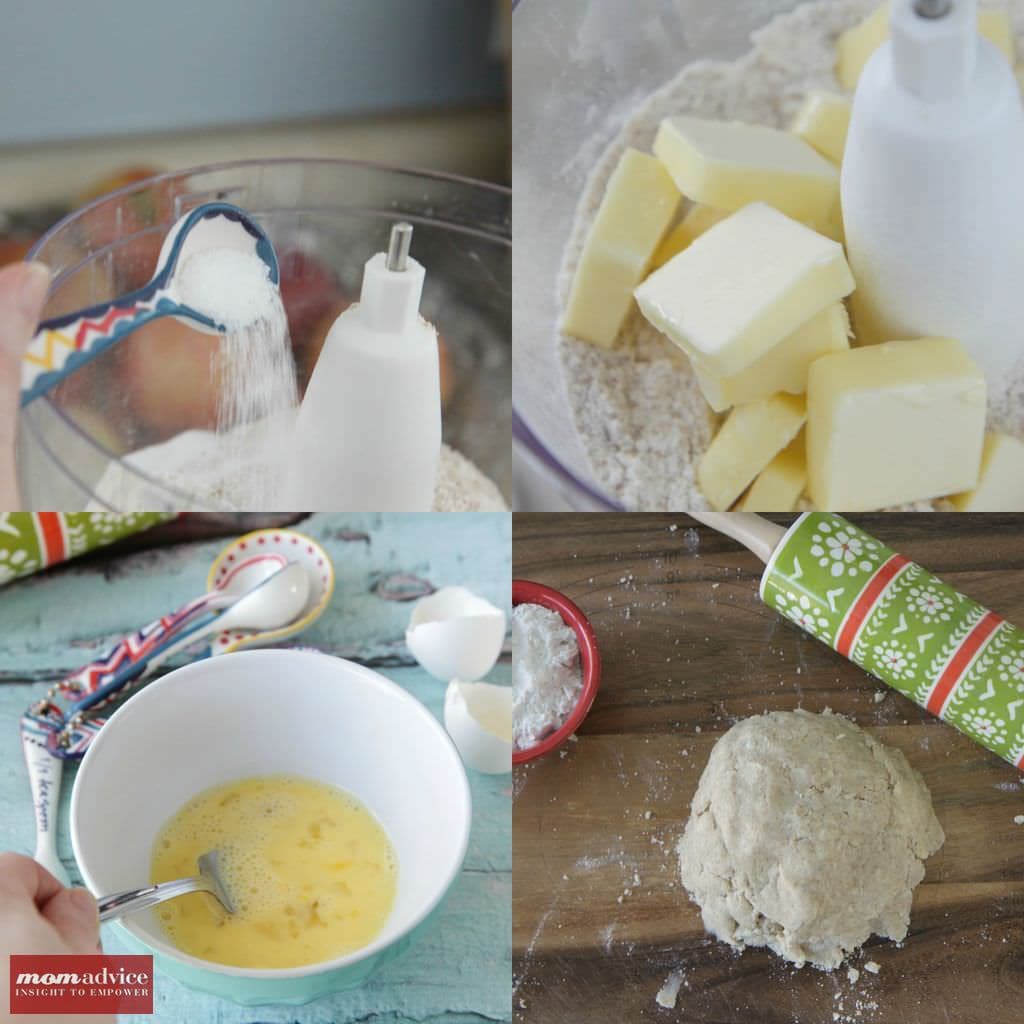
Just like my all butter pie crust (you can check out a picture tutorial over there),  I employ the use of my food processor to create an easy crust without the kneading. To make sure I don’t overwork the dough, I only use the Pulse on my food processor so I can make sure that I have a very tender dough. This is really essential for a flaky crust especially since we are creating this dough with whole wheat flour incorporated in it.

You can roll your dough out on a well-floured surface or roll it between two pieces of parchment paper. I highly recommend the parchment paper since this dough is a sticky one!

Did I mention sticky? This dough is a tricky little beast for a novice chef. Refrigeration of your crust is really essential for nice crisp edges and workable dough. The experts advise chilling your dough before using it and then chilling your tarts before you bake them to retain their shape. I do the same tactic with my sugar cookies and it yields crisp results. This will be doubly important if you live somewhere with a humid climate or are working in a hot kitchen.

My advice, chill out!

Seriously, just chill out for as long as you can!

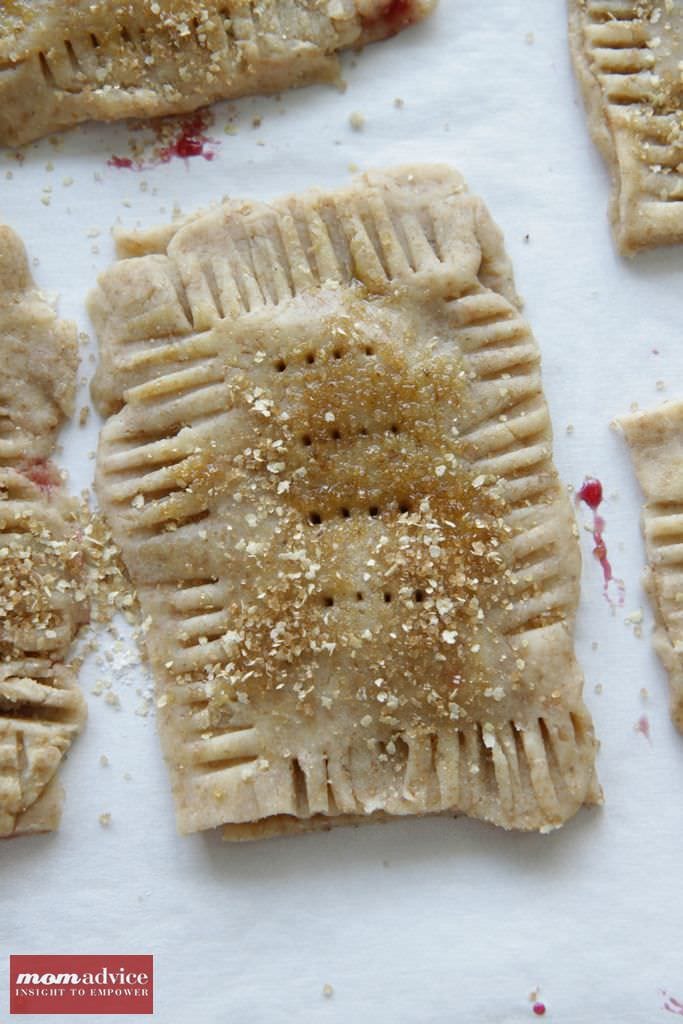
My crunchy & sweet topping is raw sugar mixed with wheat germ. A generous sprinkle of this adds another layer of deliciousness. Although the dough is chock-full of butter (as all good crusts are!), there is very little sugar in the dough itself and the raw sugar adds a crunchy texture as well as a little sweetness to this homemade delight.

These little toasty tarts were meant to be cut in perfect measurements with crisp corners.

I am no baker though, so these are imperfect…

Just like me!

The kids never noticed the difference and busy moms don’t have time for perfection when it comes to snacks.

Can I get an, “Amen?”

Toasted Tart Filling Ideas

Fruit Preserve Filling: 3/4 cup (8 ounces) jam, 1 tablespoon cornstarch mixed with 1 tablespoon cold water. Mix the jam with the cornstarch/water in a small saucepan. Bring the mixture to a boil, and simmer, stirring, for 2 minutes. Remove from the heat, and set aside to cool. Use to fill the pastry tarts.

Cinnamon & Brown Sugar Filling: 1/2 cup brown sugar, 1 to 1 1/2 teaspoons ground cinnamon, & 4 teaspoons flour. Whisk together.

Chocolate Filling: 9 tablespoons mini chocolate chips or 9 tablespoons Nutella. Spread or sprinkle chocolate filling.

Homemade Whole Wheat Toasted Tarts
Recipe Type: Dessert
Author: Adapted from King Author Flour
Prep time: 15 mins
Cook time: 1 hour 30 mins
Total time: 1 hour 45 mins
Serves: 9
Surprise the kids with a homemade version of this favorite breakfast treat. Be sure to visit the post for filling ideas for your homemade whole wheat toasted tarts.
Ingredients
  • 1 1/2 cups all-purpose flour
  • 1/2 cup whole wheat flour
  • 1 tablespoon sugar
  • 1 teaspoon salt
  • 1 cup (2 quarter-pound sticks, 8 ounces) unsalted butter, cut into pats
  • 1 large egg
  • 2 tablespoons (1 ounce) milk
  • 1 additional large egg (for brushing on the pastry)
  • 1 tablespoon raw sugar
  • 1 tablespoon wheat germ
Instructions
  1. Process flour, sugar, and salt together until combined.
  2. Add butter and pulse until the mixture holds together when you squeeze it, with pecan-sized lumps of butter still visible.
  3. Mix the egg and milk, and add it to the dough, mixing just until everything is cohesive.
  4. Divide the dough in half. Wrap in plastic, and refrigerate for up to 2 days or for 30 minutes.
  5. Remove the chilled dough from the refrigerator and allow it to soften and become workable, about 15 to 30 minutes.
  6. Place one piece on a lightly floured work surface, and roll it into a rectangle about 1/8″ thick, large enough that you can trim it to an even 9″ x 12″. Laying a 9″ x 13″ pan atop the dough will give you an idea if you’ve rolled it large enough. Trim off the edges; place the scraps on a baking sheet, and set them aside, along with the 9″ x 12″ rectangle of dough.
  7. Roll the second piece of dough just as you did the first. Press the edge of a ruler into the dough you’ve just rolled, to gently score it in thirds lengthwise and widthwise; you’ll see nine 3″ x 4″ rectangles.
  8. Beat the egg, and brush it over the entire surface of the dough. Place a heaping tablespoon of filling into the center of each marked rectangle.
  9. Place the second sheet of dough atop the first, using your fingertips to press firmly around each pocket of jam, sealing the dough well on all sides.
  10. Brush the tops of the pastry with the remainder of the egg and then sprinkle the wheat germ and raw sugar topping on top of your tart.
  11. Press the tines of a fork all around the edge of the rectangle. Cut the dough evenly in between the filling mounds to make nine tarts. Press the cut edges with your fingers to seal, then press with a fork, to seal again.
  12. Gently place the tarts on a lightly greased or parchment-lined baking sheet. Prick the top of each tart multiple times with a fork; you want to make sure steam can escape, or the tarts will become billowy pillows rather than flat toaster pastries. Refrigerate the tarts (they don’t need to be covered) for 30 minutes, while you preheat your oven to 350°F.
  13. Remove the tarts form the fridge, and bake them for 25-28 minutes, until they’re a light golden brown. Remove them from the oven, and allow them to cool on the pan.

Recipe Adapted from King Author Flour.


Afraid to tackle a homemade crust? I get it! You can find an easy DIY Pop Tart made from store-bought crust over here!


Pin It

How to Make Embroidery Thread Eggs

Thursday, March 14th, 2013

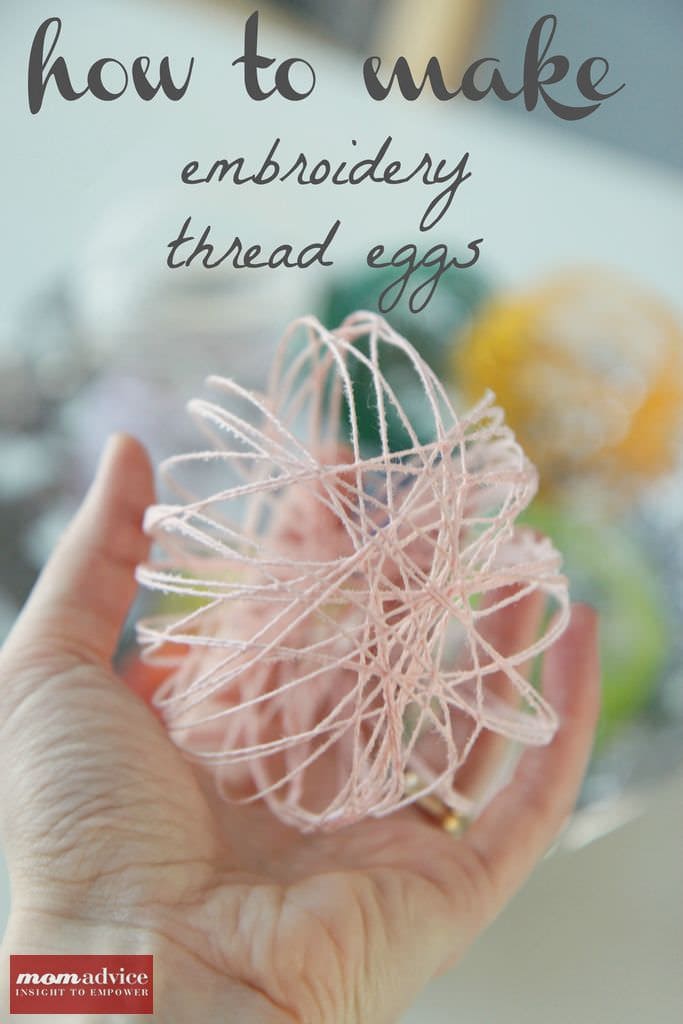
Easter is another fun season for family, food, and crafts that you can do together as a family. Embroidery thread eggs are an easy craft that yield impressive results that can be used as an Easter table centerpiece or can be strung with yarn to adorn a mantle or decorate a window. I want to show you how to create your own Embroidery Thread Easter Eggs for a fun decoration in your home.

To grab this EASY Easter Embroidery Thread Egg Tutorial, head on over to the Kenmore Genius Blog to learn how I made these with cute eggs with my kids!

I hope you love this tutorial half as much as I love our new decorations in our house!

Pin It

DIY Peep Wreath With Rolled Ribbon Rosette

Tuesday, March 5th, 2013

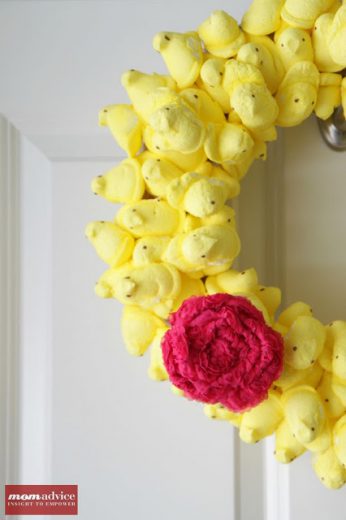
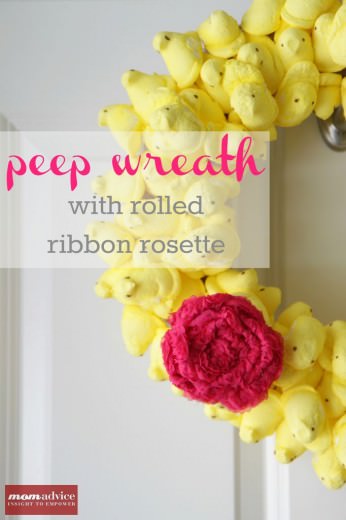
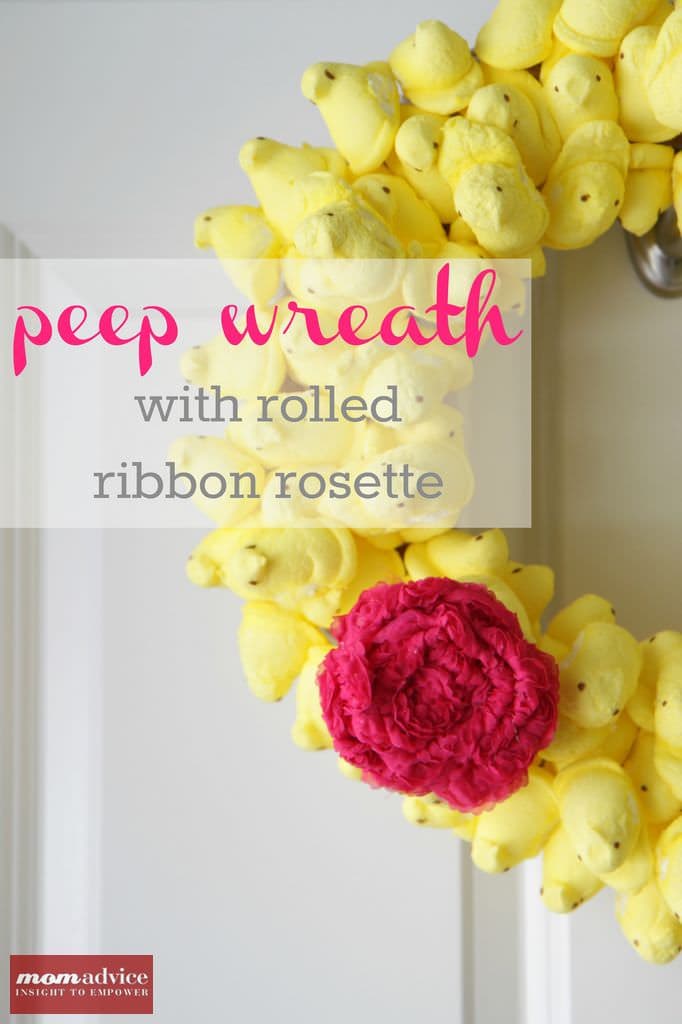
Easter is just around the corner and today’s DIY Easter Wreath is an adorable Peep Wreath created with that infamous Easter candy and adorned with a simple rolled ribbon rosette. Peep wreaths are easy to create for the Easter season and are inexpensive Easter decoration to add to adorn a wall or interior door of your home.

Here is a picture of the supplies you will need for this craft and all of the supplies for this tutorial can be found at your local Walmart store. You will need one 14″ straw wreath (leave this covered in the plastic wrap), 12 packages of Peeps in whatever color your heart desires, 1 yard of rosette ribbon (this will need to be cut in the fabric department), 1 piece of white felt, toothpicks, hot glue gun, and glue sticks. 

As an aside, if you haven’t visited the craft section of the store in awhile, you will be amazed at the new ribbon & trim offerings they are carrying. If making a flower isn’t your thing, they also have a variety of pre-made flowers by the hair and new baby accessories line that you could use in lieu of making the flower I am going to show you today.  It had been awhile since my last visit, and I was a little overwhelmed with the new choices available!

Assembling the wreath is easy and can be done one of two ways.  Poke your toothpick through your Peep almost until the toothpick pokes out of the top and then push your toothpick through your straw wreath OR you can just poke the toothpick directly in to your wreath and then stick your Peep on top of it.

My only aside to this is that I do think that if you are planning to keep the wreath, I would add a dab of hot glue to each of the Peeps. The idea of just skewering with a toothpick just didn’t work for my wreath due to the depth of how I positioned all of these. They really needed a little extra hold especially the Peeps that were on the bottom and inverted upside down. 

Find a design that makes sense for you. I did three rows of Peeps with them all uniform and in a row.  My Type-A personality does not allow me to be whimsical with design. I want them all in a row, the right way, all in a line. If you know me, this would not surprise you at all.  To add depth, I also did a few in between rows of two Peeps (as pictured above).

Once again, I would recommend hot gluing a bit as you go to add a little extra security, otherwise, you will hear those sad little plops of Peeps committing suicide and jumping ship from the wreath. It is heartbreaking, but can you blame them?

If you do your wreath right, you will end up with six Peeps to spare and Peep dust all over your table. I can only give you an estimate on the number though (give or take a few) since I find Peeps (and Peep dust) awfully delicious!

You may remember this Rolled Rosette tutorial from this adorable Easter bow I made my daughter last year to go with her Easter outfit.

To start your rolled ribbon rosette,  you will want to start with one of the roses on the ribbon to create the center of your pretty flower. Now all you need to do is start twisting your ribbon in between each of the little roses (find those spot where there is only tulle like I have pictured above)  add a dab of hot glue, and then twist again, glue again, and repeat. If you twist the ribbon tightly, you will have a tighter and flatter flower. If you twist a little looser, you will get more of the petal effect with the frayed edges working their way out more on the ribbon. Either way, it will be beautiful. Keep twisting until you reach almost the end of the ribbon. Add a dab of glue and tuck it into the back of your bow.

Finish by cutting a circle out of felt. You can use a drinking glass to trace your circle on the felt or just freehand it. This felt circle will hold all of that ribbon secure and together underneath your Rolled Ribbon Rosette Hair Bow. Hot glue your felt circle to the back of your flower. Hold this for a couple of seconds to secure it.

Once you have secured your felt circle, add more glue and attach it wherever you want on your Peep wreath. Feel free to add other rolled rosettes like these or cute felted loopy bows or just add a fun fabric bow. As you can see, the possibilities for adorning your wreath are endless.

This wreath makes me so happy and is a fun nod to the season. The best part? It will cost you about $20 in supplies (assuming you have a glue gun, glue sticks, & some scissors in your craft supplies like me!)

Be sure to check back in the next couple of weeks for more fabulous Easter projects! In the meantime, try some Kool-Aid dyed eggs, bake a batch of Bunny Bread in your bread machine, make a cute hair accessory to go with your daughter’s Easter outfit this year, or try your hand at marbleizing some eggs. These are just a few of my favorite projects you will find for the Easter season on the blog. 

Be sure to also check out all of the fun Easter offerings this year that are offered at your local Walmart store for all of your Easter needs!


Pin It

Getting To Know Your Bread Machine (Easy Recipes & Tips for Busy Families)

Tuesday, February 12th, 2013

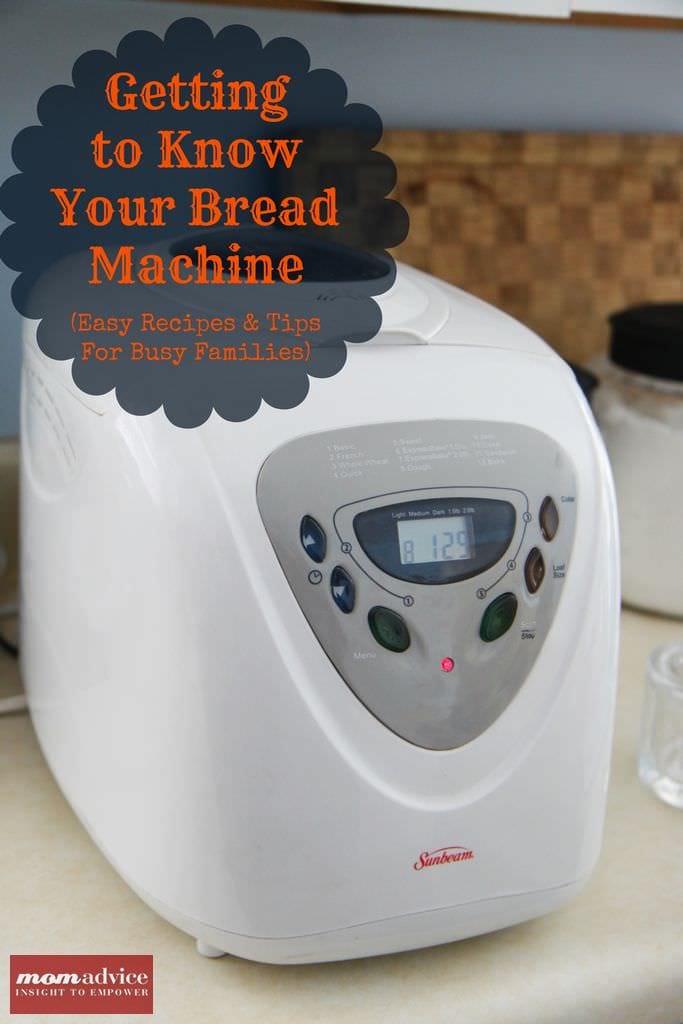
One of the most invaluable appliances in our home is our bread machine and today I wanted to share with you why I think a bread machine is a wise kitchen investment. This tutorial will offer advice on what to look for in a bread machine, how to use your bread machine, and the best bread machine recipes that our family enjoys on a weekly basis.

Perhaps you already have a bread machine that has been gathering dust in your kitchen or basement. Many people buy these appliances and then end up donating them to their local thrift store because they never use them. I think of the bread machine as a modern day convenience, but in a culture where we want everything NOW, waiting for a loaf of bread can seem like an eternity.

Why wait for a hot loaf of fresh bread when you can grab a loaf at your supermarket?

And what exactly is the purpose of that appliance that is taking up space on your shelves? Let’s get to know our bread machines and find a new way to use them.
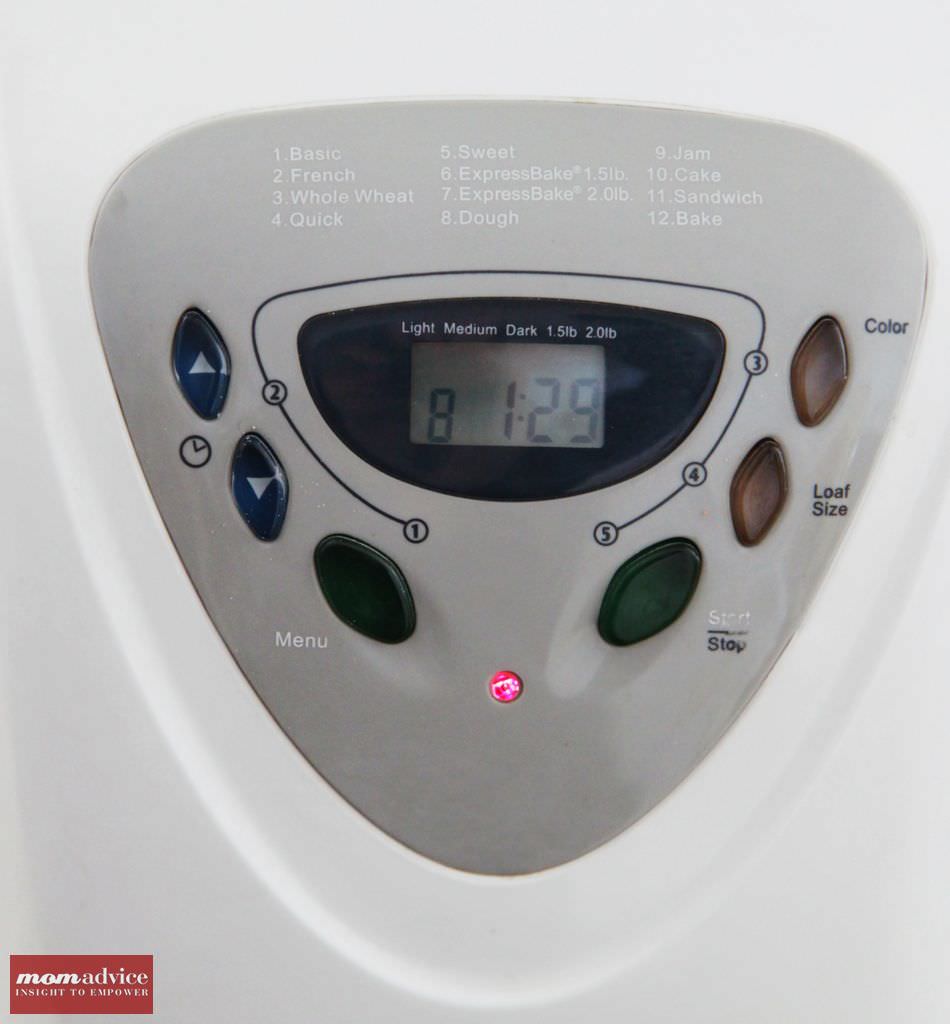
What is A Bread Machine or Bread Maker?

A bread making machine or bread maker is a home appliance for baking bread.The bread machine is simple in its construction and consists of a bread pan (or “tin”), at the bottom of which are one or more built-in paddles, mounted in the center of a small special-purpose oven. This little oven is  controlled by a simple built-in computer, the settings for which are inputted on the control panel. Most bread machines have different cycles for different kinds of dough—including white bread, whole grain, European-style (sometimes labeled “French”), and dough-only (for pizza dough and shaped loaves baked in a conventional oven). Many also have a timer to allow the bread machine to activate without operator attendance, and some high-end models allow the user to program a custom cycle.

Some of the older machines have just a handful of simple settings while newer machines offer more advanced cycles including a cycle to make jam or to bake cakes. To be honest, I don’t use the fancy cycles on my bread machine and rely mostly on the Basic and the Dough cycle, which can be found on every machine. The basic cycle is just the basic setting for making a loaf of bread. The Dough cycle just completes the kneading and rising of the dough. Once the dough cycle is complete, you can take the dough out and shape it into your loaf pan or do fancy braids or rolls out of the dough.

The purpose of a bread machine is simple;  you are able to make fresh bread when you want it. The reasons vary from person to person on why they choose to make their own bread. Many people have concerns about the additives and preservatives that are found in store-bought breads. Another reason that many people choose to make their own bread is because they just enjoy the taste of homemade bread. My reasoning for making our own bread is because I like to save our family money. Making your own bread costs so much less than purchasing a loaf of bread, and the rising grocery costs have only fueled my desire more to make it at home.

How Do You Add Ingredients to a Bread Machine?

Inserting your ingredients into a bread machine is also very straightforward. If you are making the loaf right away, you can insert the ingredients in any way that you want. All of these ingredients will immediately be stirred together and so it will not matter what the order is. If you use a timer delay on your bread machine, delaying the start time of making your loaf, it is imperative that you put the ingredients in the right order or your loaf will not turn out right. The order of ingredients is liquid (liquids include water, oil, milk, eggs, or honey), flour, other dry ingredients (salt, sugar, baking powder, seasonings), and ending the ingredients with your yeast. The most important part of putting the yeast in is to make sure that you make a small indentation into the center of the flour so that the yeast does not react with the other ingredients.

Upon inserting your ingredients, your bread machine will take over the process from there. The machine will knead the ingredients together, give the bread its rising time, and then it will bake the bread. The bread machine will signal when the bread is ready and you can allow the bread to cool inside of the bread bucket.
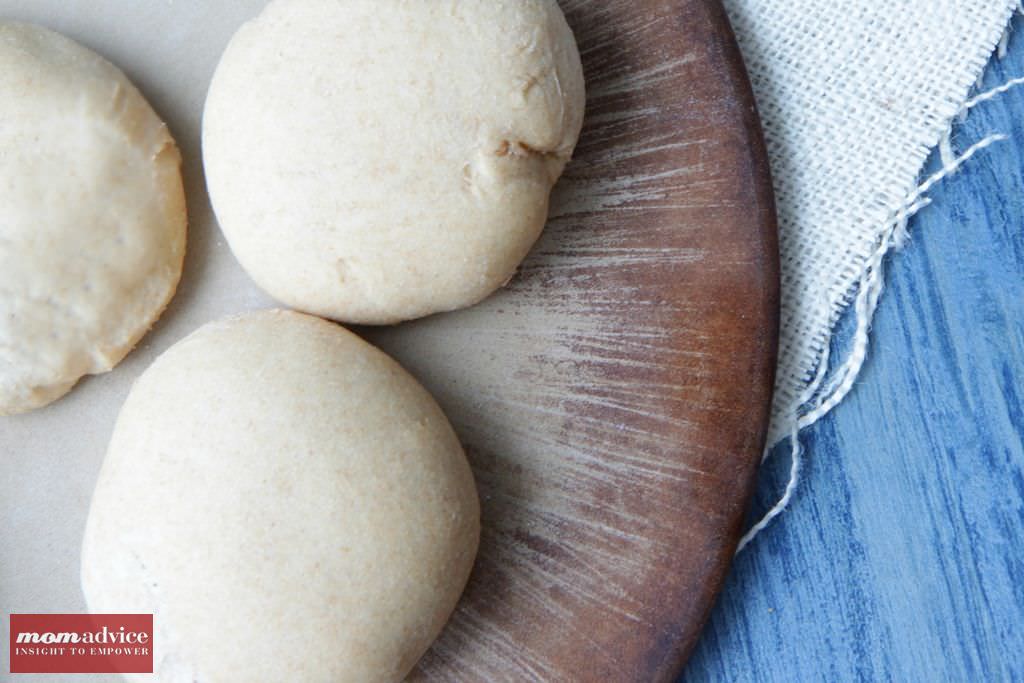
Do I Need to Buy Bread Machine Mixes For My Bread Machine?

There is no need to spend the money on convenience bread machine mixes; in fact, you can make your own convenient mixes handy for the week. I take plastic storage bags and make an assembly line of the dry ingredients and do my bags once a month. On the outside, just write what liquids you will need to add and you will only have a dirty kitchen once instead of weekly.

What is the difference between Instant Yeast, Bread Machine Yeast and RapidRise Yeast?

Just their names because these are all the same yeast. Nothing like making it EXTRA confusing for a novice bread-maker.

Is There Savings in Making Bread at Home?

A quick glance at grocery store prices and you will wonder how there could be any possible savings with making your bread at home. The key to making this the least expensive on your family is to purchase all of your ingredients at your local wholesale club. With proper storage, you can buy the ingredients in bulk and save your family loads of money.

I don’t use my wholesale club membership very often except for our family’s eye care needs and for the occasional party. I won’t ever let my membership lapse though because with one trip to buy my baking supplies, my wholesale club membership has earned its space in my wallet. I make a trip twice a year to buy all of the necessary supplies for my baking and pizza-making needs.

Don’t believe me? Here is the current prices from my local Sam’s Club:

25 Pounds Bread Flour- $6.59 (needed depending upon the recipe)

25 Pounds All-Purpose Flour- $6.68 (needed depending upon the recipe)

2 Pounds of Yeast- $4.16

Cheese (5 pounds for $10.43) , pepperoni (5 pounds for $11.88), and crushed tomatoes (102 ounces for $2.68) can also be bought at a fraction of the price, but in the past I have lacked the capacity and ambition of storage for all of the ingredients.

As a side note, if you do own a membership to Sam’s Club, they have a wonderful Click ‘N Pull service that you can utilize for your shopping day and they can pull the ingredients right to the front and email you when your order is ready to pick up. This is a fantastic free service for moms with small children or who are short on time!

How Do I Store My Bread Machine Ingredients?

For storage, flour can be stored for up to a year in an airtight container. With bulk storage, a large plastic bin that has been clearly labeled is ideal to keep your flour fresh. Yeast is the easiest ingredient to store and has a very long shelf life. I store my yeast in a mason jar in our refrigerator door. With both of these ingredients, writing an expiration date on the label will also remind you of when the item is going to expire. I have also provided a handy Yeast Freshness Test that you can use to see if your yeast is still working. This will come in handy when buying yeast in bulk.

What Kind of Bread Machine Should I Buy?

If you do not have a bread machine and are looking for one, garage sales and thrift sales are a great place to hunt. I see these machines for $10 or less, and you will definitely get your money back from the savings of making your own bread. When you find one, ask if you can plug it in and make sure it is working. Just check that it actually powers up, that there is a bread bucket inside, and that there is a paddle in the bottom of the bread machine to stir the ingredients. Having a manual with it is handy, but usually can be found by searching online.

Over the past five years, I have been using my Sunbeam Bread Machine with great success. All of my past models have been found at the thrift shops and garage sales, but when our bread machine quit on us, I ran out to our local superstore so we wouldn’t have to miss our weekly pizza night. You know an appliance has become invaluable to you if you can’t imagine a day without it. Our bread machine is that invaluable to us.
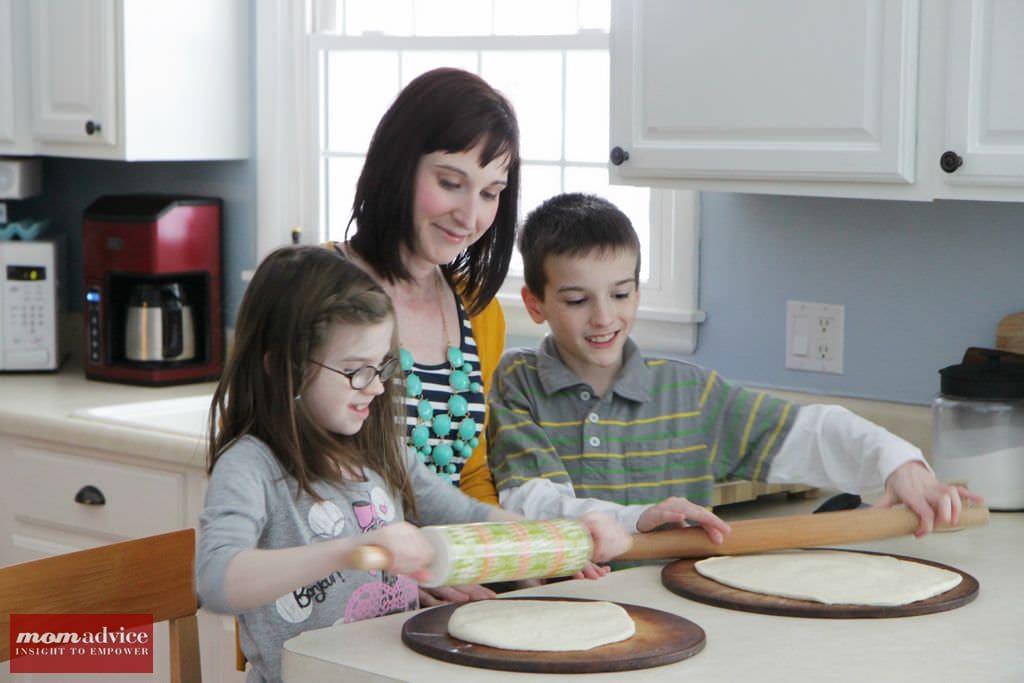
What Are Some Foolproof Bread Machine Recipes I Can Try With My Family?
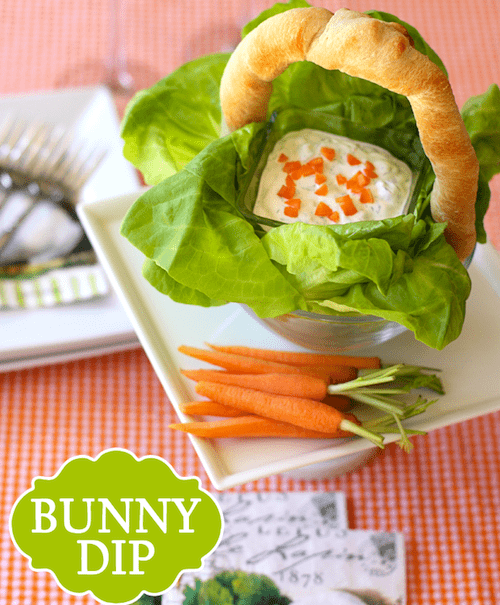
On any given day in our house, you will find our bread machine happily humming along and whipping up fresh dough and bread for us. Not only that, but our bread machine has a regular performance in our house on Friday night for our infamous weekly family pizza night.

Here are a few of our family favorites, but you can learn more in my first book, “The Good Life For Less,” that is available on bookstore shelves now: 

The Perfect Pizza Dough (so easy that your kids can roll this one out on their own!)

Bread Machine Pita Pockets

Bread Machine Hamburger Buns or Hot Dog Buns

Whole Wheat Bread Machine Hamburger Buns or Hot Dog Buns

Bread Machine Calzones

Bread Machine Portuguese White Bread


Bread Machine Monkey Bread/Bunny Bread

Buttery Bread Machine Rolls

Bread Machine Cinnamon Rolls 


Yeast Freshness Test
Prep time: 2 mins
Cook time: 10 mins
Total time: 12 mins
Not sure if your yeast is still fresh and active? This simple test will help determine if your yeast is still performing!
Ingredients
  • 1 teaspoon granulated sugar
  • 1/2 cup warm tap water (110°F-115°F)
  • 2 1/4 teaspoons dry yeast (make sure it is at room temperature)
Instructions
  1. Using a one-cup liquid measuring cup, dissolve 1 teaspoon of granulated sugar in 1/2 cup warm tap water at 110°F-115°F. Using a thermometer is the most accurate way to determine the correct liquid temperature. Any thermometer will work as long as it measures temperatures between 75°F and 130°F. If you don’t have a thermometer, the tap water should be warm but NOT hot to the touch.
  2. Stir in one 1/4 oz. packet (7g) or 2-1/4 tsp of dry yeast until there are no more dry yeast granules on top.
  3. In three to four minutes, the yeast will have absorbed enough liquid to activate and start to rise.
  4. After ten minutes, the foamy yeast mixture should have risen to the 1-cup mark and have a rounded top.
  5. If this is true, your yeast is very active and should be used in your recipe immediately.
  6. If the yeast did not rise to the 1-cup mark, your yeast has little or no activity. Discard this yeast.

Do you have a bread machine? What is your favorite thing to do with this appliance?


I love helping you cook in the kitchen! If you like this cooking tutorial,  be sure to visit my tutorial on How to Cook A Butternut Squash With the Skin On, How to Roast a Spaghetti Squash, and  How to Make Quinoa in the Rice Cooker.

Pin It