Archive for the ‘Sundays With Writers’ Category

Sundays With Writers: Under a Dark Summer Sky by Vanessa Lafaye (GIVEAWAY)

Sunday, August 2nd, 2015

sundays-with-writers-1

Debut novelists hold a special place in my heart. I love the thrill of discovering new talent and also have experienced the struggles of writing your first book. The process of idea to publishing was so much harder than I had anticipated and I love bringing these new talents in front of you for those very reasons.  I received a copy of Under a Dark Summer Sky from NetGalley and it was one of my favorite reads this summer (you can read my review here). I just know that this will be a favorite for you too especially if you love historical fiction.

Under a Dark Summer Sky by Vanessa Lafaye

If you have been waiting for the next The Help, friends, this is it. I really want to get this book on your radar because the story is so beautifully told and it is about something that happened in history that I was never aware of. Under a Dark Summer Sky is a perfect balance of fact and fiction.  I have no doubt, you will get swept away in the storm that hits Heron Key in 1935.

It is hard to believe that this was a debut novel- it was so perfectly executed. I love when I am transported into time in a historical fiction novel and learn something I have never known before and that was the case in this one. This well-researched book perfectly combines fact and fiction into an incredible story about a hurricane that ripped through the Florida Keys. The racial tensions of the people combined with a camp of misplaced disturbed war veterans creates an incredible conflict within the town when all of their safety is at risk as a hurricane approaches. I just know you will fall in love with this perfectly woven story (and learn a lot about the 1930’s in the process!

Grab your cup of coffee and let’s learn more about the real-life hurricane that inspired this incredible book today!

Vanessa Lafaye

I would consider your book to be the next The Help, tackling a time of racial tension and segregation between blacks and whites, but creating this perfect storm of emotion and disaster within the pages to play on these issues. It feels like you can cut the tension with a knife from the first chapter until you close the last page. What was it about this era that appealed to you and why did you decide to set the book up in Florida around a natural disaster?

I’m delighted with comparisons to The Help, as it’s one of my favorites.  I didn’t choose the era or the setting, the story chose me! I often say that this is the book that almost wasn’t.   I stumbled on it at a low point in my life, after I had cancer the first time and had failed to get 2 novels of women’s fiction published. By pure accident, I discovered the story of the veterans and the hurricane, and it captured my imagination.  I felt compelled to dramatize it although I had not written historical fiction before.  I was appalled that the events have been forgotten, even by people living in Florida.  The veterans changed the course of US history, and I was consumed by the challenge of bringing that story to life. I never expected to write a book set in Florida.  It turned into a big nostalgia trip, almost like a love letter to my home state.

As a reader, you really capture the hurricane so well that I felt like I was there witnessing it all. What type of research did you do to set up this pivotal moment in this community? Have you experienced any major hurricanes yourself?

Growing up in FL, hurricanes were a regular summer feature, but I never experienced a bad one.  When I discovered the story, I read some excellent factual accounts, which are referenced in the book.  I watched videos of survivor stories, also referenced in the book.  But when it came to write the storm scenes, I set myself the task of making the reader feel like they had been through a washing machine.  It was a huge challenge, using only words on a page, and harrowing to write those scenes, sometimes overwhelming.  So it’s good hear that you think it comes across.

bonus-marchers

(Source: Wikipedia)

The most surprising thing for me, as a reader, were how these World War I veterans were placed into these communities on projects after the war, and the havoc that it creates in these towns (both for the soldiers themselves and for the community members). Misplaced, homeless, and without work, these men were thrown into these racially divided communities nursing a lot of issues from being in the war. How did you learn about this occurring and why do you think it makes your story more compelling?

The story of the veterans in the hurricane led me to explore their experiences during and after the war, which is where I learned about the Bonus Marchers and their treatment by the government.  I found it incredible that these dispossessed, desperate men helped to bring down one President and damage his successor, yet they have disappeared from history.  Writing about a southern state in 1935, I could not ignore the issue of segregation at that time, which led me to study the treatment of African-American soldiers in particular.  Most of the veterans in the camps in the Keys were white.  I chose to focus on a black minority because of the links to the other characters that I wanted to portray.

I always have a favorite character in each story I read and there was just something about Henry that had me rooting for him from the beginning until the end. I loved how you developed him, particularly his experience from serving as a black soldier to his struggles to fit into a segregated community of unacceptance. Was there one character in particular that you had a fondness for and were there any in the story that you related to the most personally?

Henry is also my favorite. I admire him so much.  His experiences should have made him bad or crazy, but basic his goodness has survived.  I have a fondness for people who refuse to let life beat them down.  Henry is certainly damaged, but he’s not beaten, despite everything.  I relate most personally to Hilda – although I hasten to add that I was never a beauty queen!  I wrote her first scene when I had gained a lot of weight after cancer treatment and felt very bad about myself.  I couldn’t fit into my clothes. I poured all of that into Hilda’s character, which was quite therapeutic.

This book was published in the UK first under the title of Summertime. I am always curious about title switches when books come to the US. Why did you change the title?

Debut authors don’t have much say in these decisions!  The publishers know what will work in their market.  We get consulted, but ultimately it’s a decision for the professionals.  The book has a different title in each country where it is being published:  Norway, France, Italy, Germany, and Holland.  Norway is ‘Sommerstorm’, France is ‘In the Heat of Summer’, Italy is the equivalent of ‘Summertime’, and I’m looking forward to seeing the others soon!

I have a special fondness for debut novelist and this book does not read like a debut novel to me, but a seasoned veteran in the field of writing. How long did it take you to research and write this story? What has been the most surprising thing to you about the process from story to publishing?

It’s great to hear that you’re fond of us debutantes, because it’s a big old hill to climb, for sure. It took me 2 years to research and write – but I was working 2 jobs at the time as well!  I don’t have kids, which is what made it possible, I guess.  And I was very highly motivated to get the story out.  I really wanted it to be published during the centenary of WWI (2014-18)! The most surprising thing about the process has been working with bloggers like you.  Before I had this experience, I had no knowledge of book bloggers, or their importance to the whole publishing industry.  I worked for 30 years in academic publishing, which is very different, and has nothing to compare.  So I was astounded to learn of how many bloggers are out there, how much time and energy they devote, and just how much influence they have over readers.  It’s been a revelation.  You guys have transformed fiction publishing.

If you could tell anyone to read one book (other than your own) what would that book be (read ALL the recommendations over the year HERE)?

It’s actually 3 books: The Regeneration Trilogy, by Pat Barker.  Is that allowed?  These books were among the first, along with Birdsong by Sebastian Faulks, which opened my eyes to the history of WWI.  Before that, like most Americans, I was ignorant of this period, but it’s a huge deal here in England.  I finally understood what the veterans had sacrificed in that awful, stupid war.

Vanessa has graciously shared 3 signed copies of her book to give away on the site this morning (all the way from England)! Enter by following the directions in the Rafflecopter widget below to enter to win!

a Rafflecopter giveaway

You can connect with Vanessa Lafaye on GoodReadson Facebook, or through her website! I’m always thankful for these moments with writers and I hope you will pick up this amazing book! You can always connect with me on GoodReads,through our books section of our site, and you can read our entire Sundays With Writers series for more author profiles. Happy reading, friends!

*This post contains affiliate links!
Pin It

Sundays With Writers: The Book of Speculation by Erika Swyler

Sunday, July 26th, 2015

sundays-with-writers-1

My husband laughs about how much research I do to prepare for these Sundays With Writers interviews, but I love researching about the people behind the books just as much as I love the books themselves. Today’s guest, Erika Swyler, is an author that I have found completely fascinating as I have read more about her.  She wrote a beautiful book called The Book of Speculation and instead of going about the whole writing process the traditional way at a computer, she did it longhand. Instead of sending files to land an editor, she decided to try binding books herself to catch an editor’s eye.

It’s because of her unique methods that I wanted to feature her today in our interview series. I can’t wait for you to read this book and this interview with Erika!

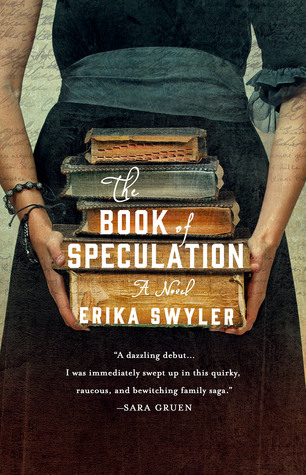
The Book of Speculation by Erika Swyler

I knew I was going to love The Book of Speculation because it had so many ingredients in it for success with me- librarians, old books, a bit of magic, and a glimpse at the old carnival life. The book has been compared to Water For Elephants and Night Circus, but definitely stands on its own and is an ambitious debut novel from this first-time author.

When Simon, a young librarian, receives the gift of a book that is a travel log for a carnival in the 1700’s, he discovers a drowning death of a circus mermaid that is coincidental to his own mother’s drowning death (a former circus mermaid herself) that happened even on the same day. If their family is cursed, his sister could be the next victim and he will do anything to save her. The chapters alternate between the travel log (complete with unique sketch drawings) and present day as Simon tries to stop the curse on his family. The author manages to bring these stories together in a beautiful way with a satisfying conclusion to these mysterious drownings.

You can read my full review of this book here as well as a few other great must-reads for the month of April!

Grab your cup of coffee and let’s settle in with Erika Swyler today and learn more about her debut novel! 

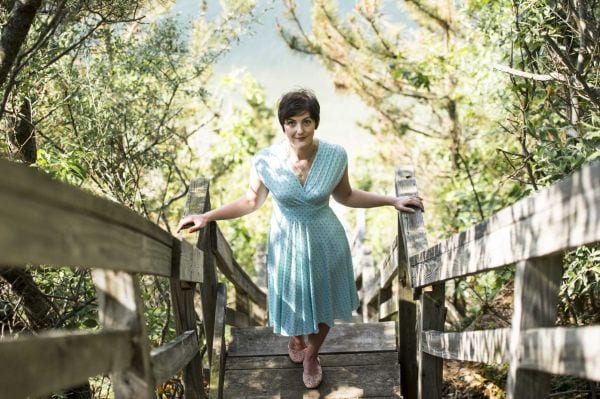
erika-swyler

I can admit, I am a bit of a nut about books and movies that have to do with the circus. I understand that you lived at the library for months researching the history of circuses in America to write The Book of Speculation. What is it about the circus life that fascinates you and what is the most surprising discovery you made while doing your research?

Circus life fascinates me because it’s so much about people finding and building family. Shows are living, breathing things with all these fascinating interpersonal dynamics. The life seems so rootless, yet these intense bonds form between people in shows. When you look at circuses and carnivals closely they make you question your ideas about what a home and family are.

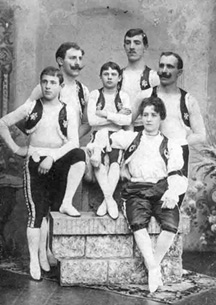
the-wallendas

It was surprising to discover how far back some families can trace their history with the circus. The Wallendas were already established and touring in the 1780s. That’s insane. They’ve been practicing circus arts for essentially half of circus’s history. That’s a bigger footprint than P.T. Barnum.

Your book has a lot of unique elements in it, but one of them that really stood out to me was the use of illustration in your story. Did this add more pressure to you to create these and how do you think it makes your book more interactive for your reader?

Illustrating added pressure, but it also offered me far more control than most novelists have their first time out, and it kept me mercifully busy. When most people are sweating and waiting for edits, I was up to my ears in charcoal and graphite. That was a very good thing. I had total freedom as to what the illustrations were, and that let me build on aspect of a characters I wouldn’t have been able to otherwise. My circus master, Peabody, sketches in his journal. Actually showing the reader the illustrations says so much about him, his journal, and the plot. Illustration lets readers look at the exact images the characters in the book are seeing. That’s smashing a wall. You’re looking at the drawings, you’re in the book.

erika-swyler-2

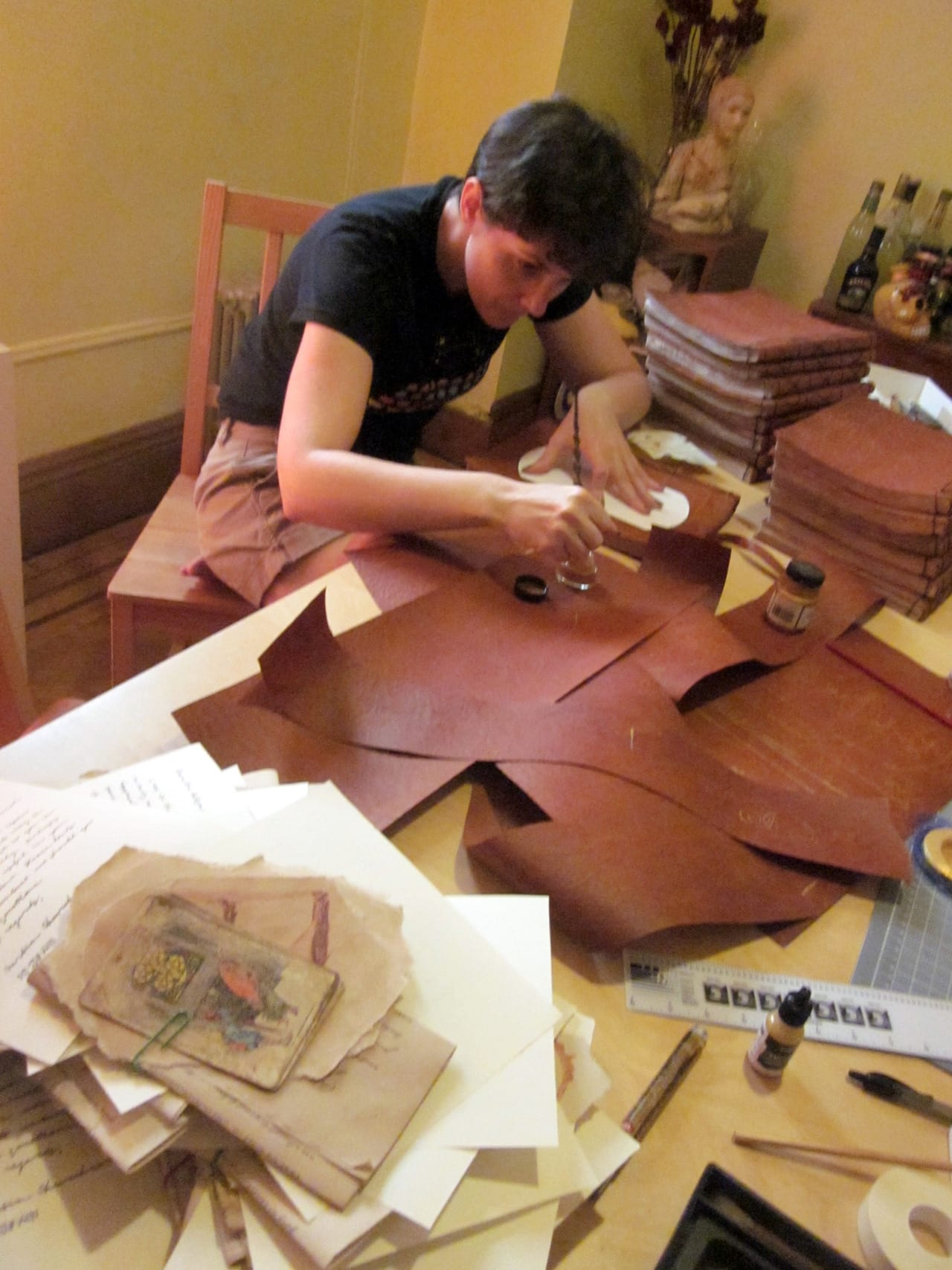
I think the most surprising thing I discovered about you while researching for this interview is that I read that when you prepared your manuscripts of this book to send out to various publishers that you hand bound and tea-stained each of the copies to give them the feel of an old book, similar to the one that Simon receives in the beginning of this novel. Do you think that the work you did to create a unique reader experience for them ultimately helped you land your book deal?

Binding the manuscript put the story on the outside. It’s rare to see a book look exactly like what’s in it. I had an inkling that whoever connected with the manuscript as art would connect with the story, because it is about old books, bibliophiles, and beautiful objects. I also suspected that I was selling myself based on my ability to work hard. Making books like that is a huge time investment. I wanted people to know that I was willing to break my back to make this book happen. Ultimately, that came across. Once the manuscripts were out, things moved quickly. And I found my dream editor.

I understand you are now an expert in Japanese Stab Binding. For those of us reading our pathetic e-books, what is this binding process and why did you chose it for your manuscripts?

I’m more a jack-of-all-trades than an expert, but I’ve gotten pretty good with this type of binding. Japanese Stab Binding is a method where you sew through an entire block of paper rather than stitching together folded signatures. Each stitch goes through both covers and the pages. The stitches are visible, and the thread can be used to make decorative patterns. It’s used a lot in photo albums, for binding loose pages, and for quick and dirty paperback repair.

Stab binding made sense for the manuscripts because it’s relatively cheap, fast when compared to other techniques, and it’s visually striking. Being able to sew loose pages meant I was able to work with standard copy paper and splurge on covers rather than losing money on typesetting and printing. It’s also a very human stitch. When you see a book with a stab binding, you get a sense of how it’s done and that you understand it. It’s a binding that feels like history.

I often feel like I was born in the wrong era and it seems that might be something you and I have in common! I read you do your first drafts in longhand and on your collection of vintage typewriters. Do you have a favorite typewriter in your collection and why do you love these retro methods of book writing so much?

I write a lot longhand and on typewriters because it keeps me from editing. Computers have given us this terrible habit of writing a word then deleting it over and over again. You don’t do that longhand. I also find that characters and scenes demand different voices. Writing by hand feels very different than using a typewriter, which is a universe away from writing a laptop. Some characters want the typewriter. Sometimes if I’m really flying I switch around between hand, typewriter, and computer.

I do hoard typewriters. The oldest I have is an Underwood Champion from the late ’30s, but my favorite is a 1958 Hermes 3000. It’s mint green and fabulous. The keys feel right, it has great control over margins and spacing, and I can really move on it. It’s a beautiful machine. My husband got it for me. He supports what I do in a very deep way. He can’t write the words, but he makes sure I have the tools to write them.

There have been comparisons to The Night Circus and Water for Elephants with this book. In what ways do you think your book is different from these and why do you think there is such a fascination with the circus life in literature?

So those comparisons are huge and humbling. But there are some major differences. First, the fantastic element. Water for Elephants has both feet in a lush reality. The Night Circus floats in the fantastic. The Book of Speculation dances in between. I love the idea of everyday lives being infused with elements of wonder. I’m essentially mythologizing the ordinary—that’s the oldest trick in storytelling, but one that’s often overlooked. Then there’s scope. The Night Circus and Water for Elephants both span a lifetime (albeit magically enhanced in some instances). I went big and set my scope as 250 years of a family’s history. It asks readers to look for overlaps and intertwining stories. Essentially, I got to write historical fiction, fantasy, magical realism, mystery, a family saga, and literary fiction all at once.

Circus demands that you gawk, while also maintaining an intense wall of privacy. It’s impossible to watch a circus performance without wondering about artists and what their lives are like. Acts are billed as “the best” or “the only.” It’s the nature of writers to need to know what “the best” is like without makeup and lights. Combine that with a secretive culture and you might as well just wave a red flag at us.

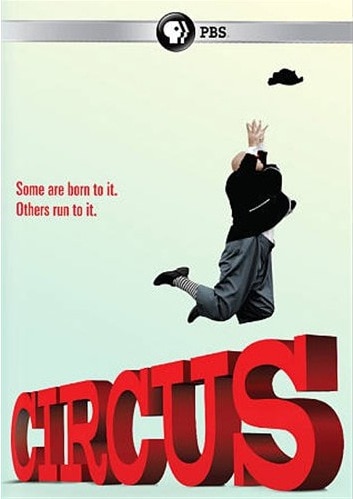
Circus (PBS series)

Do you have any books on the circus or documentaries that you could recommend for people who want to learn more about the circus life?

There’s a wealth of information out there. The Circus Age: Culture and Society under the American Big Top by Janet M. Davis is pretty fantastic. For that specific carnival cadence, Howard Bone’s Side Show: My Life with Geeks, Freaks and Vagabonds in the Carny Trade is about as atmospheric as it gets while revealing surprisingly little. That perfectly captures the “insiders only” feel of carnivals and circus. PBS also made a six-episode series, Circus, which is incredible. As far as access to modern circus life, it’s unbeatable.

 If you could tell anyone to read one book (other than your own) what would that book be (we will add it to our list of recommended reads for our readers!)?

Geek Love by Katherine Dunn. I suggest people read it because it may freak them out. It’s also what fearless narration looks like. It’s bold and bizarre in all the right ways and full of incredible visual writing. It’s a book that stays with you long after you’ve finished. It’s the book I dream about writing.

 You can connect with Erika Swyler on GoodReads or through her website! I’m always thankful for these moments with writers and I hope you will pick up this amazing book! You can always connect with me on GoodReads,through our books section of our site, and you can read our entire Sundays With Writers series for more author profiles. Happy reading, friends!

*This post contains affiliate links!


Sundays With Writers: The Magician’s Lie by Greer Macallister

Sunday, July 19th, 2015

sundays-with-writers-1

I love a good author interview and I am so excited to share an interview today with Greer Macallister about her book,  The Magician’s Lie!  I shared about this book in our June 2015 Must-Reads list and after finishing it, I emailed Greer to see if she would share a little bit more about the inspiration she had for tackling the topic of a female illusionist in this beautiful book.

It was such an unusual premise for a book and, if you know anything about me, you know that I am fascinated with both magic and the circus. They are my jam.  That is why it is such a treat to talk with Greer today about the inspiration behind her book and about one of the most evil characters I have enjoyed reading. If you love a good evil villain, you have it in this one!

The Magician's Lie by Greer Macallister

In The Magician’s Lie, Macallister writes a beautiful story of a female illusionist, something that was rare and provocative during the turn of the century, in this historical fiction debut. The story shows the reader things are not always as they seem even when it comes to the illusions we create in our own lives.

When a man is killed during her jaw-dropping act of sawing a man in half, The Amazing Arden is arrested and accused of the murder. The thing is, Arden has a story to tell about who that man really is and this murder just might be an illusion too. The story unfolds as she makes her confession to the officer who has arrested her as she confesses to the real crimes that have been committed in her life. There are some great plot twists in this one that kept me flipping the pages until the end and I thoroughly enjoyed this book.

Greer-Macallister

How did you happen upon the story of Adelaide Herrmann and why did you decide to explore female magicians and illusionists in your debut novel?

It all started with an absence. Books, movies, TV commercials and other media often refer to the classic image of a magician cutting a woman in half. I began to wonder why it’s always the woman cut in half by a man, and never the other way around. Why don’t we see a female magician cutting her male assistant in half? So I decided I wanted to write that book, about that magician. Early in my research I came across Adelaide, who was undoubtedly the most famous female magician of her time. She didn’t fit the profile of someone who would cut a man in half, but she was too good to ignore. So I wove her in, and dozens if not hundreds of readers have told me she’s their favorite character.

Adelaide-Herrmann-Image

(image source: Wikipedia)

You definitely illustrate some of Adelaide’s wildest tricks especially in the bullet catch trick that you have The Amazing Arden witness in one scene of your book. Were there any other illusions that you thought were really crazy that did not make the cut?

I tried to use the wildest things I could find! So much fun. There were a lot of parts of Adelaide’s act I didn’t use, though. She did a lot of dancing and pantomime. Which is a little less interesting to describe than, say, a woman turning into a tiger. So you understand my choice!

 If you could master any magic trick (in your book or otherwise) what would it be?

I once saw Ricky Jay throw a playing card across the room, where it stuck in the rind of a watermelon. I don’t know how he does it. Mind-blowing.

Do you have any recommendations of other historical fiction books, nonfiction books, or documentaries that you found useful when doing your research or setting the mood for your story about the world of illusion for your readers that would like to dive more into this topic?

There is shockingly little writing on the history of women in stage magic, but then again, the ratio of women to men in magic in general is pretty darn small, so it follows. If you’re interested in Adelaide Herrmann, she did write a memoir, which was published a couple of years back. As far as setting the mood, you can do a lot worse than spend an evening watching The Prestige. One of my favorite movies. I often had the music playing in the background while I wrote.

You truly immerse yourself in your storytelling from the way people would have spoken back then, to the dishes they are eating, to the dress, and the feel of the city. I really felt like I was seeing much of your details firsthand. How much research did you need to do to really create these moments in your story and has this era always been a fascination for you?

Oh, the research ate me alive. I tell people I’m an accidental historical fiction writer. If it had made more sense to write about a contemporary female magician cutting men in half, I would’ve done it that way; it’s just that the story I wanted to tell fit so perfectly back in the 1890s to 1900s, when stage magic was something most people would have seen on a Vaudeville stage. So it had to be historical. But once I picked my era I really dove in, and I really wanted to have exactly that effect you’re describing – I want the reader to see and smell and taste the world. The New York Public Library has a great collection of old menus, so I literally had the image of an early 1900s menu from Keens Steakhouse in front of me, picking out what the characters could order from that.

Do you think titling your book this way helps the reader to expect that our narrator is going to be an unreliable one? Was this to create a necessary tension while reading that we were about to discover something?

Oh yes! That was very, very intentional. What is she lying about? (Assuming the magician narrating the story is the same magician referenced in the title…) And is there really only one lie? I definitely wanted the reader to be suspicious of Arden, and the title was a great way to raise some doubt from the get-go.

You really develop the character of Ray in a way that had me on the edge of my seat and rapidly flipping the pages. Was there a scene in particular that you really struggled writing for him because he was so vile or did you really get swept away into creating such an evil character?

One of the best things about being a fiction writer is the opportunity to get into the heads of the characters you’re writing. The flip side of that is that sometimes you have to go into heads you don’t like. That was Ray. The struggle with him was to make him more than a cardboard nemesis – he has his own reasons why he does the things that he does, and it all makes perfect sense to him, so some of that has to come across to the reader, even if we’re appalled by the results.

If you could tell anyone to read one book right now (other than your own) what would that book be? (see our list of ALL our recommendations HERE!)

My favorite book is almost always the book I’ve read most recently, since it’s fresh in my mind. In this case, that’s The Voyage of the Narwhal by Andrea Barrett. It’s about an Arctic expedition in the 1850s, during a time where men died regularly exploring that area. The story weaves together what happens on a particular ship with the lives of those waiting back at home for the ship to return. Barrett writes so beautifully and precisely about both the emotional and physical dimensions of her characters’ lives. It’s gorgeous and brutal. I loved it.

You can connect with Greer Macallister on GoodReads, on Facebook, or through her website! I’m always thankful for these moments with writers and I hope you will pick up this amazing book! You can always connect with me on GoodReads,through our books section of our site, and you can read our entire Sundays With Writers series for more author profiles. Happy reading, friends!

*This post contains affiliate links!
Pin It

Sundays With Writers: Weightless by Sarah Bannan

Sunday, July 12th, 2015

Sundays With Writers

I have been so blessed to have such a great Sundays With Writers line-up this month. I hope you are enjoying this series half as much as I am!  I have another incredible writer to feature today and I think her book should be mandatory reading for parents of teens and also a great book for older teens to read.

Today I am sharing a virtual cup of coffee with Sarah Bannan to talk about her debut novel WeightlessThis book was an eye-opener for me about bullying today and how different it is from when we were kids… and, yet, in many ways how it is still the same. This is not a feel-good book today, but an unsettling look at how teens bully one another. I find her use of narrators (read more in our interview below) is what makes this book so compelling.

Weightless by Sarah Bannan

When Carolyn Lessing moves from New Jersey to Alabama with her mother, she rattles the status quo of the juniors at Adams High. Gorgeous, stylish, a great student and gifted athlete without a mean girl bone in her body Carolyn is gobbled up right away by the school’s cliques. She even begins dating a senior, Shane, whose on again/off again girlfriend Brooke becomes Carolyn’s bitter romantic rival. When a make-out video of Carolyn and Shane makes the rounds, Carolyn goes from golden girl to slut in an instant, with Brooke and her best friend responsible for the campaign.
Carolyn is hounded and focused on, and becomes more and more private. Questions about her family and her habits torture her. But a violent confrontation with Shane and Brooke in the student parking lot is the last attack Carolyn can take.

Bannan sheds light on how bullying happens now that kids have access to social media and creatively utilizes an undisclosed narrator who acts as an observer and participant in the bullying of a new girl at their school. Well-written and unflinching, it would be a great read for your older teen or for parents who want to see how bullying occurs today. I highly recommend this one! 

Grab your cup of coffee and let’s settle in with Sarah Bannan to learn more about the story behind this story!

Sarah Bannan

What prompted you, as a writer, to tackle the topic of bullying? Were there any real-life cases that were an inspiration to you when telling the fictional story of Carolyn?

When I was thirteen, my family moved to a small town in Alabama. I was in eighth grade at the time, and the move was something of a culture shock. My school was full of football and cheerleaders and cliques and the high school had an honest-to-god beauty pageant. We voted on class favorites and our cheerleaders and homecoming court. Everything seemed like a looks or personality contest, and that was a contest I knew I would never be in the running for, let alone win.

I had fantastic friends, and a great experience all through my time in Alabama, but I think I always knew that there was something in the town and the atmosphere of my high school that might lend itself to fiction. I’ve also found that my high school years and my friendships from that period still stick in my mind, all these years later. I’ve done a lot of reading about this – our obsession with our teenage years – and apparently it’s a time when you make some of your most lasting memories, in large part because this is the very time in which you are shaping and determining your sense of self, your individual identity. It’s also a time of firsts – first kiss, first drive, first break-up, first time away from home. And firsts are always a little easier to remember than second and third and fourth times. It’s one of the things about WEIGHTLESS that’s worth remembering, the degree to which it’s a document of memory: the narrators are looking back and trying to cobble together a shared truth of what happened over one school year. But they’re being really careful in the way that they do it, as they’re paranoid about accepting culpability or blame. Or defining themselves by what happened during the year.

Phoebe Prince

When I started writing WEIGHTLESS, I had my high school in the back of my mind. But I was also reading a lot about bullying, and cyber-bullying, in the news. I was very much haunted by the story of Phoebe Prince, the young Irish girl who moved to South Hadley, MA when she was 15. She was bullied, and ultimately took her own life. I read a great deal about her story, and the complexities that surrounded it, and also about similar, less high profile cases back in Ireland, and I started to get a picture of what it looks like to be a teenager now, in the age of social media. This frightened me, to a significant degree, but it also made me feel that this was exactly the story I should be telling.

The narration in your story is told in first person plural.  If that wasn’t unique enough, you don’t ever know the names of these narrators as they observe (and participate) in the bullying of Carolyn. Why did you choose this type of narration and why do you think this angle was the best way to capture the story?

I’ve said before that WEIGHTLESS began as a voice in my head that I just couldn’t shake. And that’s totally true. I had this chorus, in my head: a group of girls, sitting back, watching cheerleaders perform in front of them. They’re obsessed with the girls – with their childhoods, their appearances, their sex lives – and they seem to want to be them as much as they want to tear them down.

I tried, when I was first drafting the novel, to put it in first and third person voices – but it just didn’t work or, perhaps, I just didn’t have access to any voice else except this group of girls. They are watching from the outside, and passing comment on what they’ve seen, what they’ve heard, what they think they know.

It was only after I finished the novel that I realized what an effect the voice actually has and I think that’s why I felt I had to keep it, sustain it. Why I felt like it was the right way to go. The voice underlines the role of gossip in a town like this. Group-think. Rumor. Memory. Dissipation of responsibility. Avoidance of guilt.

Readers will notice when reading the book that it’s intercut with other forms of narration: Facebook feeds, newspaper articles, transcripts, committee reports. This was all in an effort to layer the narrative (the “we” can be awfully claustrophobic!) and highlight how the way in which what we hear often contrasts to what is reported. I wanted readers to feel as if they were picking up a kind of unofficial scrapbook for the year.

 There are so many moments in this book that feel like you are inside the head of a teenager; in fact, I had a few flashbacks of my own moments when I was young. For example this line: “We sat outside Sbarro’s and ordered cheese pizza and we took off the cheese and blotted it with our napkins. We would eat frozen yogurt later, topped with Oreos and Reese’s Peanut Butter Cups and M&Ms.” I REALLY remember doing this as a teen and had completely forgot about it.  How did you capture these teenage voices so perfectly?

It’s sad: it was eerily easy for me to access the actual teenage mentality, as I have not entirely matured, despite being 37 years of age! I don’t know. I mean, I just remember the boredom and contradictions of that time very clearly, and the same insecurities that plagued me then, still plague me today, but they are (thankfully!) not so pronounced or life-consuming.

In terms of some of the detail, one of my sisters is a high school English teacher in California and very kindly gave me advice around some technical things: brand names, technology in schools, cultural preoccupations. My other sister lives in Connecticut is the mother of two teenagers, and she was also able to give me insight into those matters – and her daughter kindly helped me with a number of important details, as did a cousin of mine. In some earlier drafts there are a few clangers – I think I may have even referenced a Nokia ring tone somewhere!

Raising compassionate kids is a really big thing for me as a mom. After all your research on cyberbullying, could you offer just one piece of advice for parents on how we can help our kids stand up to bullying?

Well, this is advice coming from a fiction writer…but I think we just need to encourage kids (and adults!) to be kinder to one another. When I went to school, I feel like there was a huge emphasis on self-confidence and achievement, and not much on character or empathy. I’m not saying we need to drop the first two, but we need more attention to the latter…and I think the best way to do this is to… read more literary fiction. I’m sure you’ve seen the countless studies about how reading literary fiction increases empathy and I know this to be true. It’s one of the few ways in which we can really get into somebody else’s shoes, imagine things from somebody else’s perspective. So…my advice is, surprise, to get kids to read more!

Were you ever bullied as a child or did you ever feel like you contributed in some way to the bullying of another? Was there one character in the story, in particular, you really related to?

I think there’s a distinction between bad behavior – or meanness – and bullying, and I was both the victim and the perpetrator of the former, but not the latter. I think this is the case, at least. I’m not sure that makes it better, but I think it’s worth making the distinction, and one of the things in WEIGHTLESS that emerges is the way in which we are sometimes a bit too quick to point fingers and apply labels of ‘bully’. And then ‘bullies’ end up being bullied and round and round and round it goes.

As I mentioned, I moved around a lot growing up, and every place we lived seem to contain these rituals and traditions that were almost designed to make kids, especially girls, compete against one another. And not in a healthy, esteem-boosting kind of way. In retrospect, it’s shocking to me that more shocking things didn’t happen, that there wasn’t more bullying. Kids, by and large, tried to be kind to one another, but only within our set little cliques. There wasn’t much mixing.

I love Carolyn the most, of course, of all the characters, but I was nothing like her in school: I was awkward and nerdy and of zero interest to guys. In many ways, in retrospect, I can see that this was a blessing. I wasn’t a threat to anyone at my school or in my town.

I suppose I identify with the narrators the most, and I’m sure this will make readers think I’m a horrible person, but I think young people, and adults, can be scarily lacking in empathy. And I was probably happy in the fact that I was rarely outwardly mean to anybody, but I also wasn’t in a position of power within my high school to do so. The narrators are neither as cool as they’d like to be, nor as lame as they think they are. They occupy this very important place in the middle of high school hierarchies, and I’m pretty sure it’s the place I occupied myself. I was never bullied, or not really, and I never bullied anyone, or not really. But I watched a lot of things happen. And I talked about it. And, in retrospect, I wish I had done more.

If you could tell anyone to read one book (other than your own) what would that book be?

I think that’s almost impossible for me as I read constantly, and I am forever discovering my newest favorite novel…So, I’m going to choose my novel of the moment, which is Sarah Crossan’s ONE, which will be published by Bloomsbury in August. It’s a verse novel for young adults, and it’s a beautiful story about conjoined twins. It’s completely consuming and unlike anything else I’ve ever read.

(I should also say that I reread, every summer, Meg Wolitzer’s THE INTERESTINGS and Curtis Sittenfeld’s PREP. Two completely amazing feats of literary fiction and coming of age…I know this is cheating but it’s hard for me!)

You can connect with Sarah Bannan on GoodReads, on Facebook, or through her website! I’m always thankful for these moments with writers and I hope you will pick up this amazing book! You can always connect with me on GoodReads,through our books section of our site, and you can read our entire Sundays With Writers series for more author profiles. Happy reading, friends!

*This post contains affiliate links!
Pin It

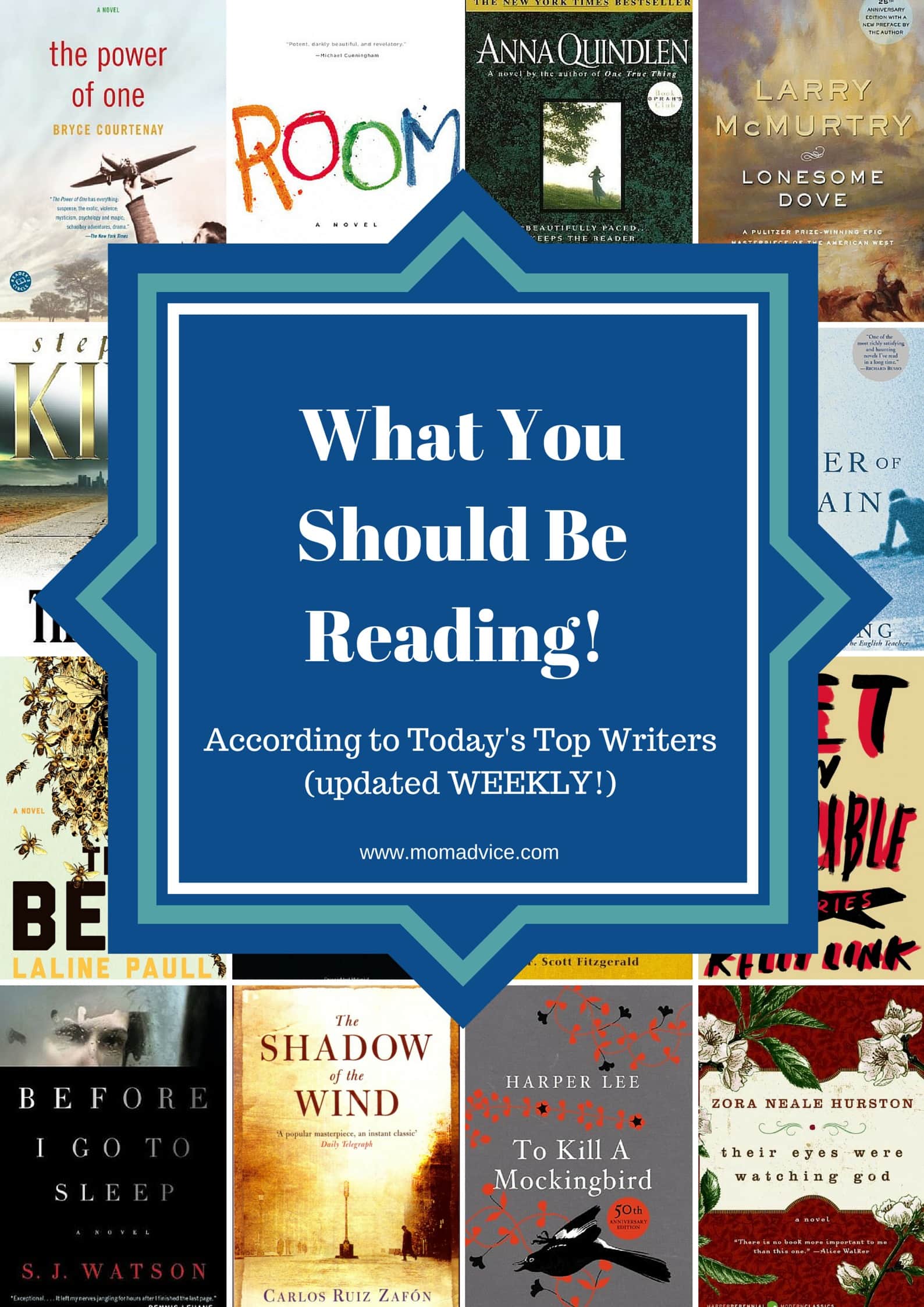
What The World’s Top Authors Say You Should Be Reading (Updated WEEKLY!)

Tuesday, June 30th, 2015

What You Should be Reading According to Today's Top Writers (Updated Weekly)

When I started the Sundays With Writers series, I had no idea how beautifully it would blossom and how happy it would make me.  I decided to have one question that I would always end with when interviewing our authors. It was this…

If you could tell anyone to read one book right now (other than your own) what would that book be?

Since I started asking that, I have discovered and read books that would have never found their way into my book pile. Of course, browsing through the entire series to find their answers can be a bit tedious so I am putting all of these responses into one post that I encourage you to bookmark, pin, and share with others as this will be updated weekly as we feature the gifted writers in our Sundays With Writers interview series.

If you wanted to read more about each of the authors that have shared their recommendations, a link is provided to our interview about their incredible books. There is a reason they have been featured and you will discover why when you open their books. It has been my honor to interview each of these incredible voices.  

What I have discovered is, if I really like a book that they recommend…chances are, that author is going to be a GREAT one to read since there is usually a reason why they are in love with a writer’s words.

Here are the books that the world’s top authors say you should be reading!

Please note, this file will now be updated after each Sundays With Writers. The list will start moving down from now on so the latest book will now be at the top. Keep this bookmarked for your library list!

Please also note, these are affiliate links.  A small portion of your sales goes to support the work we do at MomAdvice.com. Please follow me on GoodReads for more great book recommendations!  xo
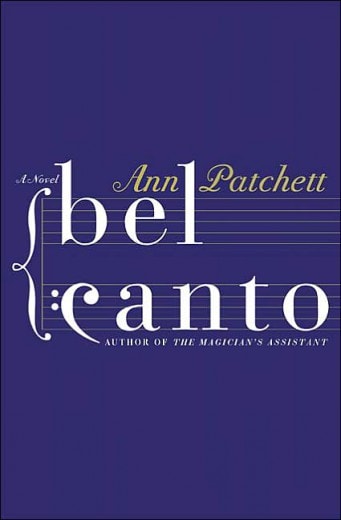
Bel Canto by Ann Patchett

Read It: Bel Canto by Ann Patchett

Recommended by: Julia Claiborne Johnson

My favorite book in the world is Bel Canto, by Ann Patchett. It’s beautifully-written, wonderfully imagined, and completely heart-breaking. In it, terrorists seize the mansion of the vice-president of an unnamed South American country during a party that’s being thrown for a Japanese industrialist lured there with the promise of a performance by his favorite opera singer. The industrialist comes, the opera singer performs, guests from all over the world are in attendance; but the terrorist’s real target, the country’s president, skips the party to stay home and watch his favorite telenovela. As the standoff stretches from days into weeks, the hostages and captors for a community that you know can’t last. I’ve read this book so many times that I still have to keep a box of tissues at my elbow for the end game.
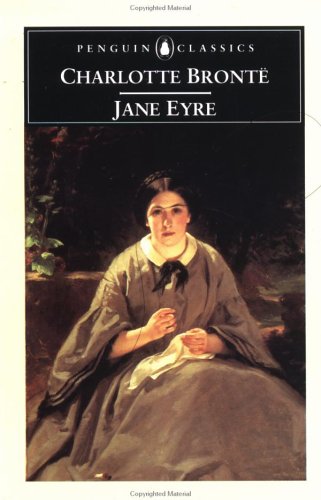
Jane Eyre by Charlotte Bronte

Read It: Jane Eyre by Charlotte Bronte

Recommended by: Barbara Claypole White

Jane Eyre by Charlotte Bronte. It has everything: a spunky heroine, a messed-up sexy hero, a mystery, a dysfunctional family, plus love and madness in the English countryside.  And Jane makes Rochester cry. I aim to make all my heroes cry.
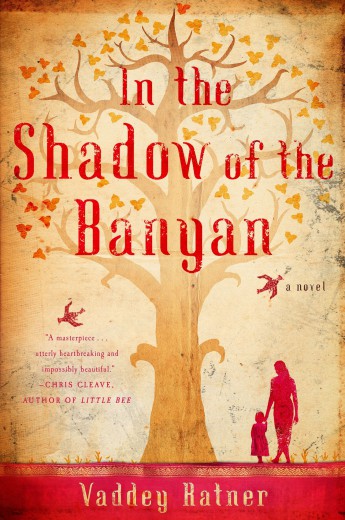
In the Shadow of the Banyan by Vaddey Ratner

Read It: In the Shadow of the Banyan by Vaddey Ratner

Recommended by: Sharon Guskin

One book that really inspired me recently was Vaddey Ratner’s In the Shadow of the Banyan, a novel about Cambodia. It is both dark and radiant at the same time. She finds meaning and beauty within the horror, which makes the book truly transformative.
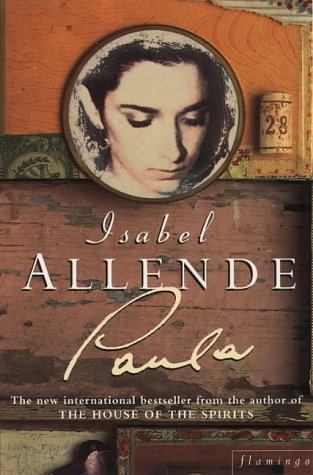
Paula by Isabel Allende

Read It: Paula by Isabel Allende

Recommended by Gilly Macmillan

This is such a hard question!  There are so many books I could list, but I’m going to go with Paula by Isabel Allende.  The book tells the true-life story of the author’s daughter’s sudden and unexpected illness, which befalls her when she’s a young adult.  That story is interspersed with the history of their family and the story of Isabel Allende’s own extraordinary life.  It’s a powerful, heart-wrenching account of a mother’s love for her daughter, and one woman’s path through all of the big moments in life: love, motherhood, work, grief, joy and family.  It’s raw and honest, powerful and heart-wrenching, and beautifully told.
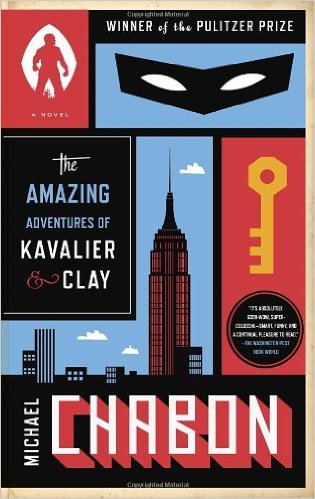
The Amazing Adventures of Kavalier & Clay by MIchael Chabon

Read It: The Amazing Adventures of Kavalier & Clay

Recommended By: Jordanna Max Brodsky

Glad to see another author already posted about The Song of Achilles, which is my favorite novelization of Greek myth.  I recommend it heartily to anyone who enjoys The Immortals!

As for non-myth books, I’d have to pick Michael Chabon’s The Amazing Adventures of Kavalier and ClayIt’s one of the few books I’ve read that I immediately told everyone in my life to pick up.  Set primarily in 1940s New York, it tells the story of two Jewish cousins (one of whom escapes from Nazi Europe) who create superheroes for the Golden Age of Comics. Add in a Harry Houdini subplot, love stories both gay and straight, a wealth of historical New York City detail, and the most sublime prose style I’ve ever encountered, and you get an irresistible work of brilliance.
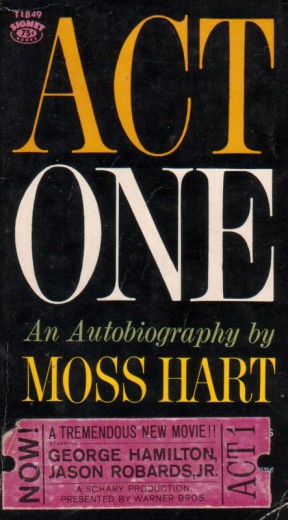
Act One by Moss Hart

Read It: Act One by Moss Hart

Recommended by: Melanie Benjamin

David and Goliath by Malcolm Gladwell

Read It: David and Goliath by Malcolm Gladwell

Recommended by: Sejal Badani

It’s so hard to pick one! I’m a huge fan of Malcolm Gladwell and just finished his book David and Goliath so I’m going to go with that. It’s very insightful and made me think differently about the obstacles we face in life and how overcoming them often helps us develop our greatest strengths. I’m also a huge admirer of J.K. Rowling so I have to throw that in there.
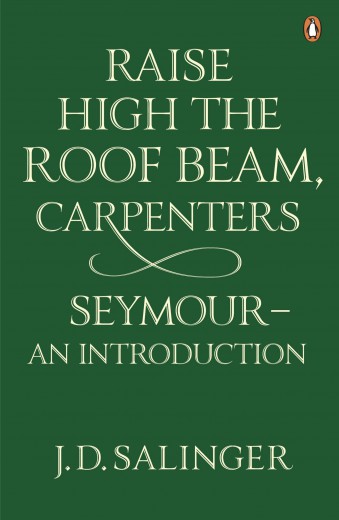
 

Raise High The Roof Beam, Carpenters by J.D. Salinger

Read It: Raise High the Roof Beam, Carpenters by J.D. Salinger

Recommended by:  David Arnold

I have “Raise High the Roof Beam” tattooed on my forearm. I am unapologetic in my love of J.D. Salinger, specifically the Glass family novellas. Raise High the Roof Beam, Carpenters really struck a chord in me, and of course, the original poem by Sappho is outstanding.
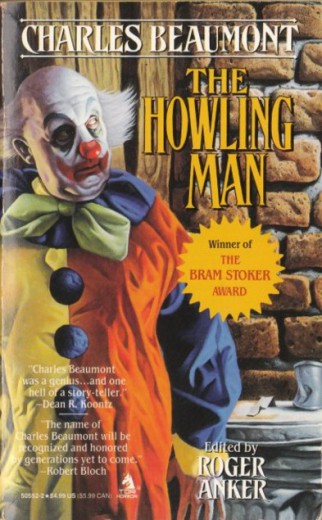
 

The Howling Man by Charles Beaumont

Read It: The Howling Man by Charlies Beaumont

Recommended by: Josh Malerman

The Howling Man(TOR 1988) Charles Beaumont. It’s got about 30 of his short stories and for those who don’t know him… hang on tight; you’re about to feel a tidal wave of wonder wash over you.
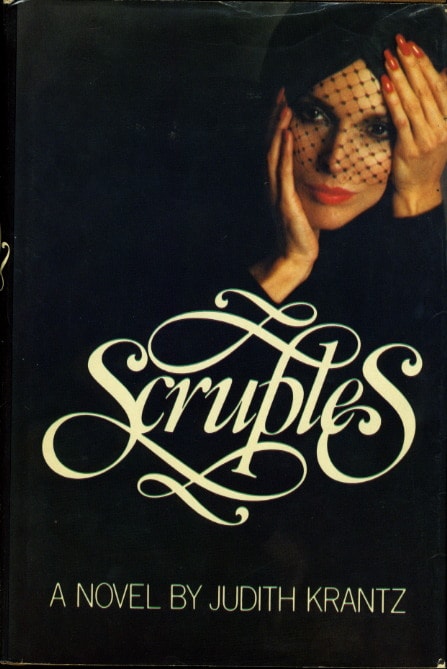
Scruples by Judith Krantz

Read It: Scruples by Judith Krantz

Recommended by: Jessica Morgan

One book! That is really a difficult choice to make. I have a degree in English lit, and I’m sure several of my professors will strongly disapprove of this — it’s very tempting to choose a classic, or at least something “literary” —  but I am going to recommend the classic Judith Krantz book, SCRUPLES (and also SCRUPLES II; the first book ends on a real cliffhanger, so be warned).  If you are interested in/enjoy popular woman’s fiction, Krantz is truly the master of the genre. Her books always feature strong women who excel at interesting jobs, and the plots are propulsive and highly readable and deliciously soapy. I personally never feel guilty about anything I read, but if you are into so-called “guilty pleasure reading” — or even if you are a person who only reads highly literary intellectual books but who longs to UNDERSTAND the idea of guilty pleasure reading — Scruples one of the most pleasurable, and, by this point, a classic of that genre. (Her autobiography, which is titled, brilliantly, SEX AND SHOPPING, is also a favorite.)
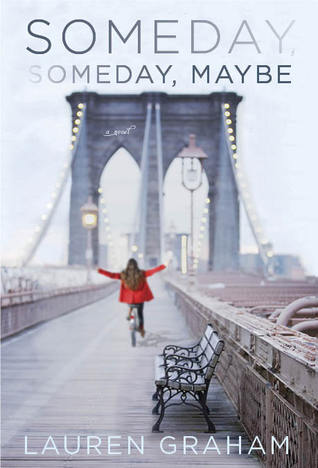
Someday, Someday, Maybe by Lauren Graham

Read It: Someday, Someday, Maybe by Lauren Graham (check out her comments below for lots more great suggestions!)

Recommended by: Heather Cocks

HEATHER: Oh, wow, I can’t pick that either. I think it’s because I would never advise anyone to read only ONE book, and I don’t even know HOW to answer this without considering the context. If it’s someone who never reads, I’d say start with the Harry Potter series, because it will invite you into books and then keep you there. If it’s someone who likes stuff that’s tonally similar to The Royal We — funny, with heart — I would hand them Someday, Someday, Maybe, by Lauren Graham, which I promise is a recommendation I would have made before she ever even picked up our book. If you’re into literature and wordplay and quirk, I’d suggest The Eyre Affair by Jasper Fforde (and then read the whole series; they get goofier but no less imaginative and punny). If you want striking prose, read anything by Kate Atkinson. And if you love wartime and friendship and romance, it’s a tie between The FitzOsbournes trilogy and Code Name: Verity, both of which are wonderful examples of books that are technically considered for teens, but offer so much to anyone of any age. How’s THAT for a wishy-washy answer?
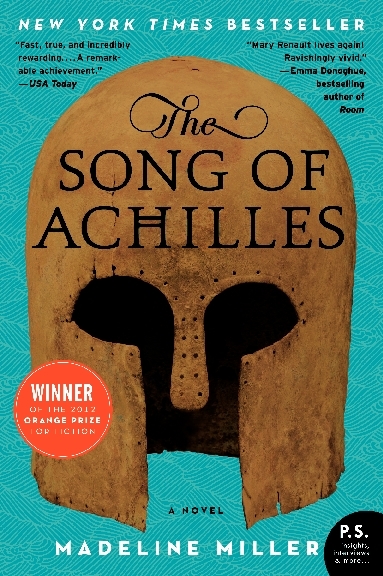
 

The Song of Achilles by Madeline Miller

Read It: The Song of Achilles by Madeline Miller

Recommended By: Taylor Jenkins Reid

The Song of Achilles by Madeline Miller. I stumbled upon it at the used bookstore attached my library and bought a copy of it for four dollars last December. I have since recommended it to everyone that will listen to me and have bought multiple copies. It is a retelling of the story of Achilles’s life leading up to and through the Trojan War. I can’t tell you what I love most about it because I love everything about it so much. It is stunningly romantic, a pleasure to read, incredibly thought-provoking, and epically tragic, with some of the most wonderful sentences I’ve read in some time. It manages to straddle both classic literature and soap opera in one story. It’s so good (and so juicy) that I would call it a guilty pleasure except that you have nothing to feel guilty about because it’s so very beautiful and keenly smart.
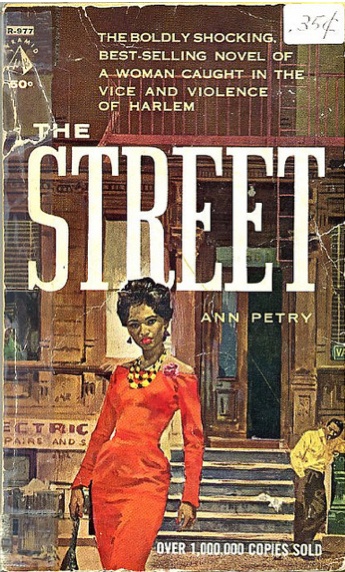
The Street by Ann Petry

Read It: The Street by Ann Petry

Recommended by: Caroline Kepnes

The Street by Anne Petry is brilliant and searing. One of my all time favorites.

 

Kevin Kramer Starts on Monday by Debbie Graber

Read It: Kevin Kramer Starts on Monday by Debbie Graber

Recommended by: J. Ryan Stradal

Debbie Graber’s short story collection Kevin Kramer Starts On Monday isn’t out yet – it comes out next spring – but it’s the funniest thing I’ve read in a very long time. Debbie is just brilliant; her humor, which often sends up the contemporary American workplace, is infused with plenty of heart, pathos, and intelligence. I read it in manuscript form and I can’t wait for it to exist in the world. Please pre-order it the moment it becomes available.
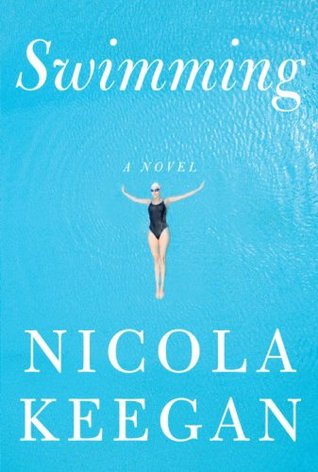
Swimming by Nicola Keegan

Read It: Swimming by Nicola Keegan

Recommended by: Bill Clegg

By my lights one of the most brilliant, moving and devastatingly funny stories about growing up alongside, coping with and surviving the people who raise us.  The voice is so strong, so piercing and so authentic.  I’ve never read anything that conveyed more powerfully how families can be both curse and windfall.  I think about that book all the time.
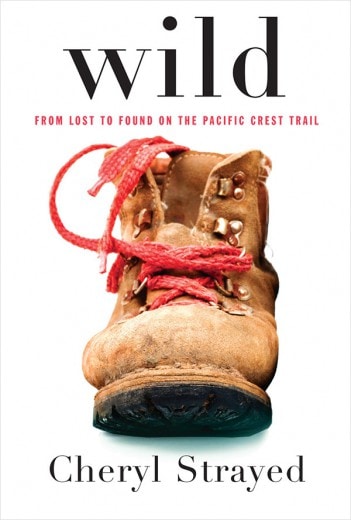
Wild by Cheryl Strayed

After I Do by Taylor Jenkins Reid

Wild by Cheryl Strayed

After I Do By Taylor Jenkins Reid

Recommended by:  Liz Fenton and Lisa Steinke

Lisa says about Wild- She’s a phenomenal writer and this is a memoir you will think about for years after reading it.
Liz says about After I Do-  It’s an incredibly insightful and refreshing narrative on the challenges of marriage.
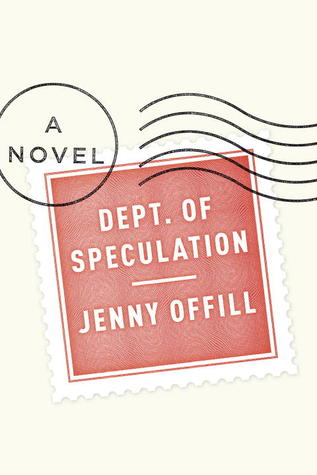
 

Dept. of Speculation by Jenny Offill

Read It: Dept. of Speculation by Jenny Offill

Recommended by: Elisabeth Egan


Trampoline by Robert Gipe

Phenomenal by Leigh Ann Henion

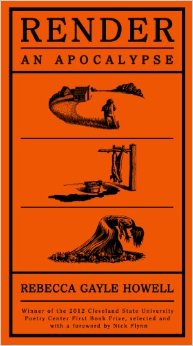
Render: An Apocalypse by Rebecca Gayle Howell


Read It: Trampoline by Robert Gipe, Phenomenal by Leigh Ann Henion, & Render: An Apocalypse by Rebecca Gayle Howell

Recommended by: David Joy

I’m going to stay true to my neck of the woods and give you three recommendations—a novel, a memoir, and a book of poetry—from Appalachia because I think a lot of what comes out of this region is tragically overlooked. As far as a novel, everyone needs to read Robert Gipe’s Trampoline. It’s bar none the best debut released this year and it’s arguably the best debut we’ve seen from this region in decades. With memoir, I was really impressed with Leigh Ann Henion’s book, Phenomenal. I think her storytelling is brave and her insight into our relationship with the natural world is matured and beautiful. Last but certainly not least, everyone needs to be reading Rebecca Gayle Howell, especially the poems in Render: An Apocalypse, which are just gritty and raw and lovely. She’s writing scripture. So there’re three for you to get your hands on!
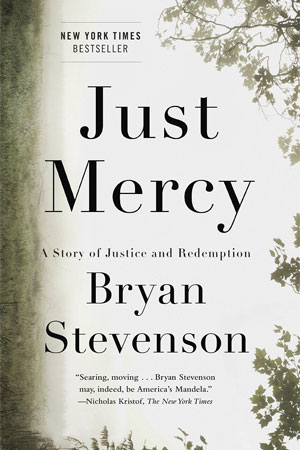
 

Just Mercy by Bryan Stevenson

Read It: Just Mercy by Bryan Stevenson

Recommended by: Vanessa Diffenbaugh

It is an incredibly intense book about racial inequality in our criminal justice system, but it is beautifully written and powerful, with just enough hopefulness to help you sit with the discomfort of the truth and think hard about how you can help contribute to a solution.  I recommend it to everyone I know.
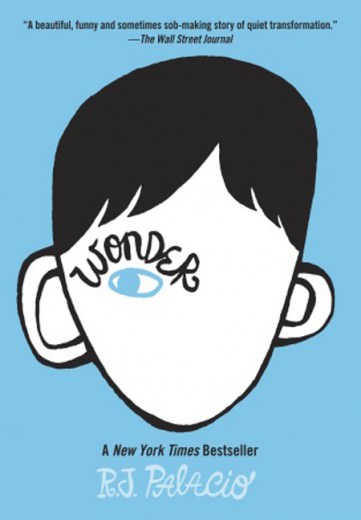
Wonder by R.J. Palacio

Read It: Wonder by R.J. Palacio

Recommended by: Jennifer Niven

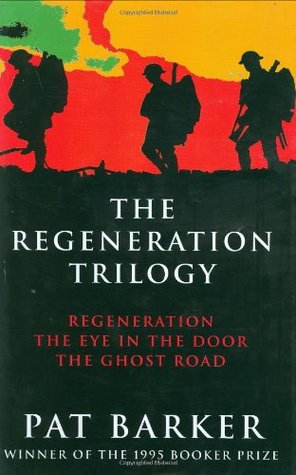
The Regeneration Trilogy by Pat Barker

Read It: The Regeneration Trilogy by Pat Barker

Recommended by: Vanessa Lafaye

It’s actually 3 books: The Regeneration Trilogy, by Pat Barker.  Is that allowed?  These books were among the first, along with Birdsong by Sebastian Faulks, which opened my eyes to the history of WWI.  Before that, like most Americans, I was ignorant of this period, but it’s a huge deal here in England. I finally understood what the veterans had sacrificed in that awful, stupid war.
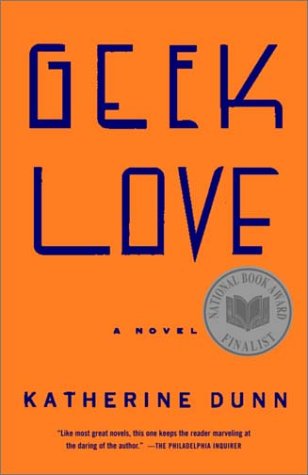
Geek Love By Katherine Dunn

Read It: Geek Love by Katherine Dunn

Recommended By: Erika Swyler

I suggest people read it because it may freak them out. It’s also what fearless narration looks like. It’s bold and bizarre in all the right ways and full of incredible visual writing. It’s a book that stays with you long after you’ve finished. It’s the book I dream about writing.
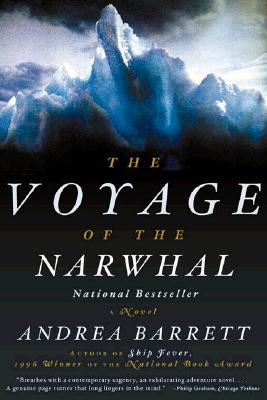
The Voyage of the Narwhal by Andrea Barrett

Read It: The Voyage of the Narwhal by Andrea Barrett

Recommended By: Greer Macallister

My favorite book is almost always the book I’ve read most recently, since it’s fresh in my mind. In this case, that’s The Voyage of the Narwhal by Andrea Barrett. It’s about an Arctic expedition in the 1850s, during a time where men died regularly exploring that area. The story weaves together what happens on a particular ship with the lives of those waiting back at home for the ship to return. Barrett writes so beautifully and precisely about both the emotional and physical dimensions of her characters’ lives. It’s gorgeous and brutal. I loved it.
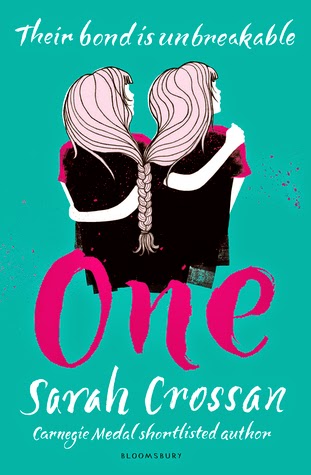
One by Sarah Crossan

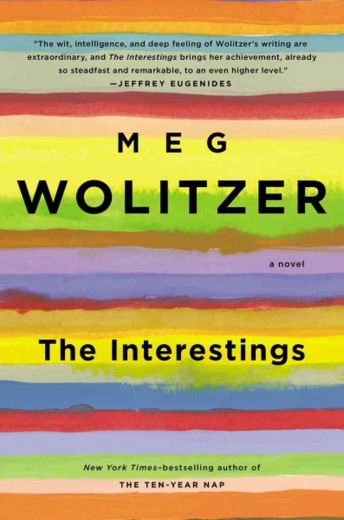
The Interestings by Meg Wolitzer

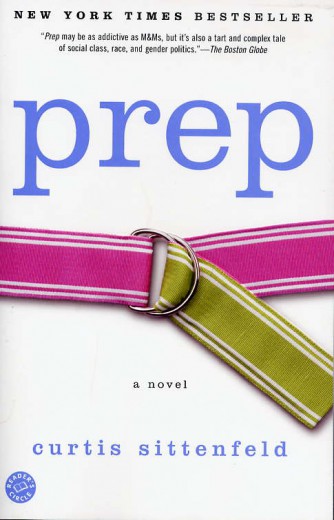
Prep by Curtis Sittenfeld


Read It: One by Sarah Crossan, The Interestings by Meg Wolitzer, & Prep by Curtis Sittenfeld

Recommended by: Sarah Bannan

I think that’s almost impossible for me as I read constantly, and I am forever discovering my newest favorite novel…So, I’m going to choose my novel of the moment, which is Sarah Crossan’s ONE, which will be published by Bloomsbury in August. It’s a verse novel for young adults, and it’s a beautiful story about conjoined twins.It’s completely consuming and unlike anything else I’ve ever read.

(I should also say that I reread, every summer, Meg Wolitzer’s THE INTERESTINGS and Curtis Sittenfeld’s PREP. Two completely amazing feats of literary fiction and coming of age…I know this is cheating but it’s hard for me!)
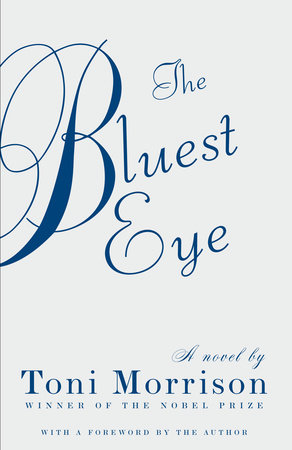
The Bluest Eye by Toni Morrison

Read It: The Bluest Eye by Toni Morrison

Recommended By: Celeste Ng

I’d go with The Bluest Eye, because Toni Morrison is one of my all-time favorite authors and that book says so much about race and culture and identity and love, and it’s beautifully written to boot.
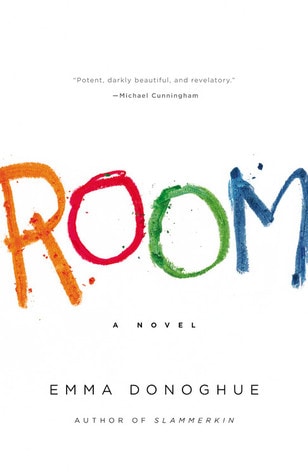
 

Room by Emma Donoghue

Read It: Room by Emma Donoghue

Recommended By: Chris Bohjalian

What makes this novel so remarkable is not merely how authentically Donoghue captures the voice of a five-year-old boy, but the deft way she slowly conveys the horrific reality of a mother and son’s captivity. If you want a poignant, powerful novel about a mother’s desperate love for her child, it doesn’t get better than this.
All the Light We Cannot See by Anthony Doerr


Read It: All the Light We Cannot See by Anthony Doerr

Recommended by: Rene Denfeld & Kristin Harmel

Rene says- Oh, that is a tough one, because there are so many wonderful books. I just read All The Light We Cannot See by Anthony Doerr. It was stunning.

Kristin says-  All The Light We Cannot See by Anthony Doerr. I realize that’s sort of a lame response, because the book is so popular right now, but it’s truly one of the most beautifully crafted and beautifully written books I’ve ever read. I recommend it all the time!
americanah-book-cover

Read It: Americanah by Chimamanda Ngozi Adichie

Recommended by: Maggie Shipstead

I just finished reading Americanah by Chimamanda Ngozi Adichie, which I loved. That’s the book I’m talking up to everyone right now.
The Power of One by Bryce Courtenay

Read It: The Power of One by Bryce Courtenay

Recommended by: Suzanne Redfearn

black-and-blue

Read It: Black And Blue by Anna Quindlen

Recommended by: Jillian Cantor

That’s a tough question! I don’t know that I can pick just one book. But my favorite author is Anna Quindlen. I read Black and Blue years ago and it has always stayed with me. Every time she has a new book out, I buy it right away!
The Clan of the Cave Bear by Jean M. Auel

Read It: The Clan of the Cave Bear by Jean M. Auel

Recommended by: Torre DeRoche

I don’t think I can prescribe a cure-all because books are so personal to each individual, but I’ll share with you the most important book I ever read—a book that burst open my imagination and taught me that it’s possible to create an incredible alternate reality on the page.

When I was thirteen, my older sister told me I had to read this book, giving me only the title and a pinch of her fingers to demonstrate its approximate spine width. I went to my school library to look for the book and, having no idea where to start my search, I said to a friend, “I’m looking for a book that’s about this thick.” I extended my finger to poke the spine of a random book. It was Clan of the Cave Bear by Jean M. Auel: the very book my sister told me I must read. It was a bizarre, serendipitous first encounter. That book rocked my world.
Long Man by Amy Greene

Read It: Long Man by Amy Greene

Recommended by Patry Francis

It’s hard to choose only one, but Amy Greene’s,  Long Man has everything I look for in a novel: a compelling protagonist named Annie Clyde who faces impossible odds with great courage and resilience, an engrossing plot, and a setting so vivid, you really feel as if you are there.
The Stand by Stephen King

Lonesome Dove by Larry McMurtry

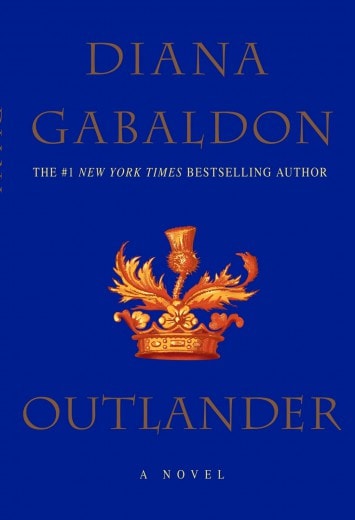
Outlander by Diana Gabaldon

Read It: The Stand by Stephen King, Lonesome Dove by Larry McMurtry, & Outlander by Diana Gabaldon

Recommended by: Susan Crandall

When I’m asked this question, I always reach way back, looking for a book that has stuck with me so vividly that I can remember the details of the characters very clearly even after a long time. I try to pick something that isn’t a classic, those already stand out and find audiences. I’m a character writer. Suspenseful plots are enjoyable, but it’s the beauty of the character and his/her journey that touches me. So after all that rambling, I always come back to two books, very different genres: Lonesome Dove, by Larry McMurtry and The Stand, by Stephen King. I’m also a fan of Diana Gabaldon’s, Outlander (the first book in the series is my favorite).
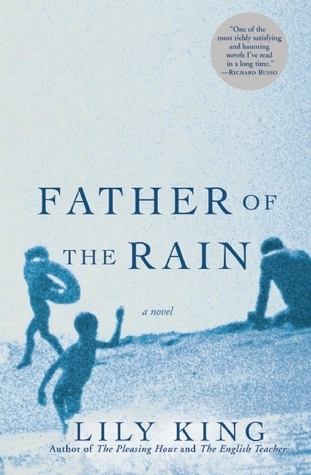
father-of-the-rain

Read It: Father of the Rain by Lily King

Recommended by: Michelle Gable

I recommend Father of the Rain by Lily King to everyone. It is the perfect book.
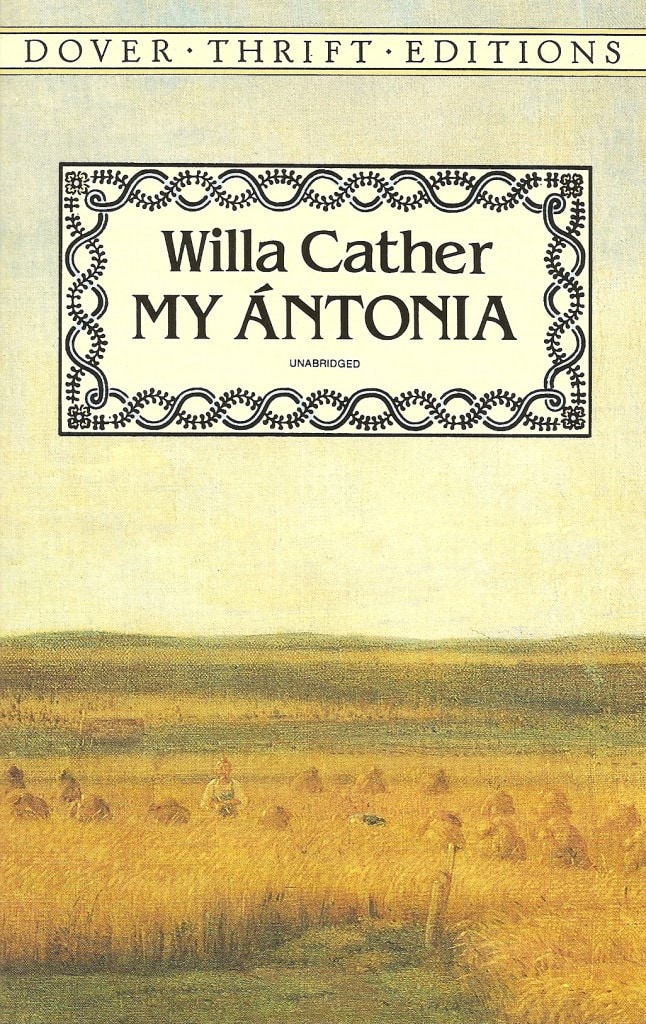
My Antonia by Willa Cather

Read It: My Antonia

Recommended by: Heather Gudenkauf

My favorite book of all time is My Antonia by Willa Cather. My parents always had hundreds of books on shelves and in neat stacks around the house and for a long time I passed right over the thick novel with the illustration of a woman standing in a field of tall yellow grass and holding freshly picked wildflowers. I finally pulled it from the shelf when I was eighteen and immediately fell in love with Cather’s beautiful description of turn-of-the-century Nebraska and the lifelong friendship between a farm boy and a young Czech immigrant. I reread My Antonia every single year, each time with new eyes, always finding something new within the pages. Whenever I visit a bookstore I’m always on the search for a different edition of My Antonia to add to my collection.
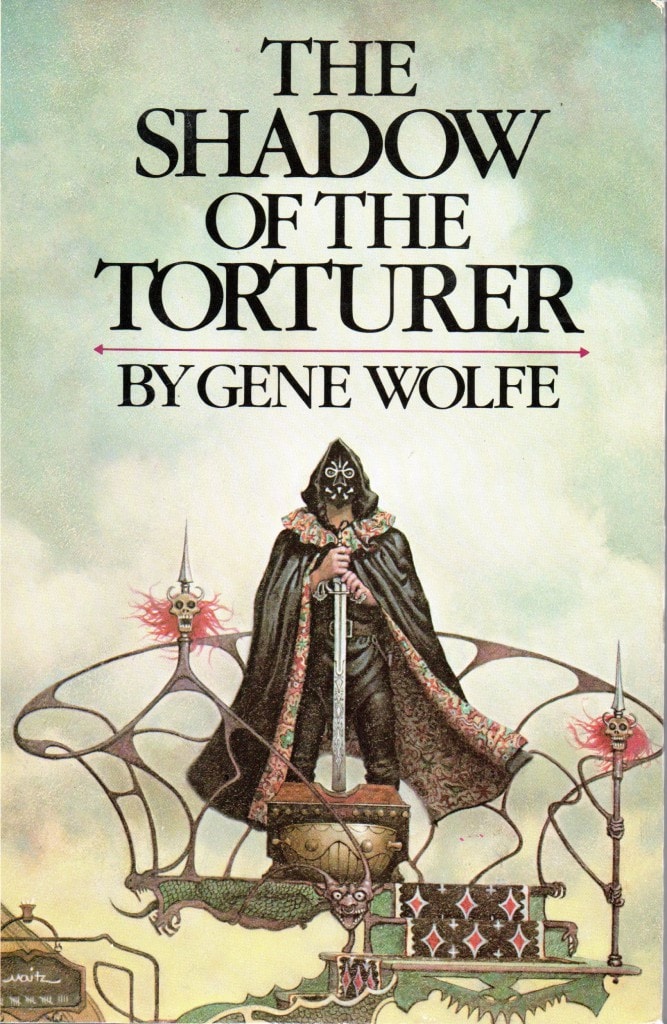
The Shadow of the Torturer by Gene Wolfe

Read It: The Shadow of the Torturer

Recommended by: M.R. Carey

So many possible answers to that!  You could ask me a couple of dozen times and get a different answer each time.  Today I’m going to say The Shadow Of the Torturer, by Gene Wolfe.  It’s the first volume in a tetralogy, so if you read it and liked it you’d have to read the other three.  But they’re so worth it. It’s a story of a far future Earth where the sun is dying.  Humanity has spread to the stars but that was long ago.  Now there are other galactic empires, other non-human civilisations that call the shots.  What’s left of humankind is back on an old, old planet that hasn’t got much time left to it.  But there’s a Messianic religion that preaches that the New Sun, sometimes known as the Conciliator, will be born on Earth as a man and rekindle all our hopes.  Reborn, rather, since he’s been here once before.  And Severian of the Torturers’ Guild believes this to be true since he’s found a holy relic, the Claw of the Conciliator, that heals all wounds.

It’s a very hard book to describe, and there’s no denying that it goes to some very dark places.  But Wolfe’s imagination is vast.  He creates a world and peoples it.  And he has a very serious purpose which takes in faith, physics and the importance of storytelling.
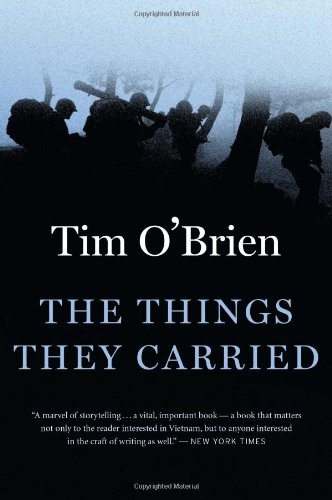
The Things They Carried by Tim O'Brien

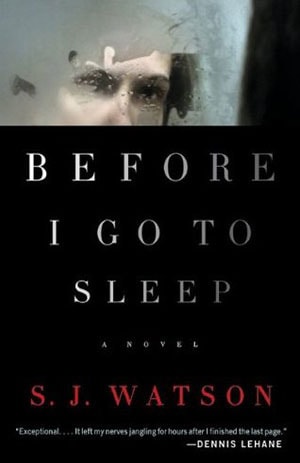
Before I Go to Sleep by S.J. Watson

Read It: The Things They Carried by Tim O’Brien & Before I Go to Sleep by S.J. Watson

Recommended by: Mary Kubica

My favorite book of all time is The Things They Carried by Tim O’Brien. This is one that I tell everyone to read. It’s a Vietnam War memoir, but is much more than that. You don’t need to be a history guru to fall in love with this book. When it comes to my own genre though, psychological suspense, Before I Go To Sleep is one I often recommend. I just loved this S.J. Watson novel.
Room by Emma Donoghue

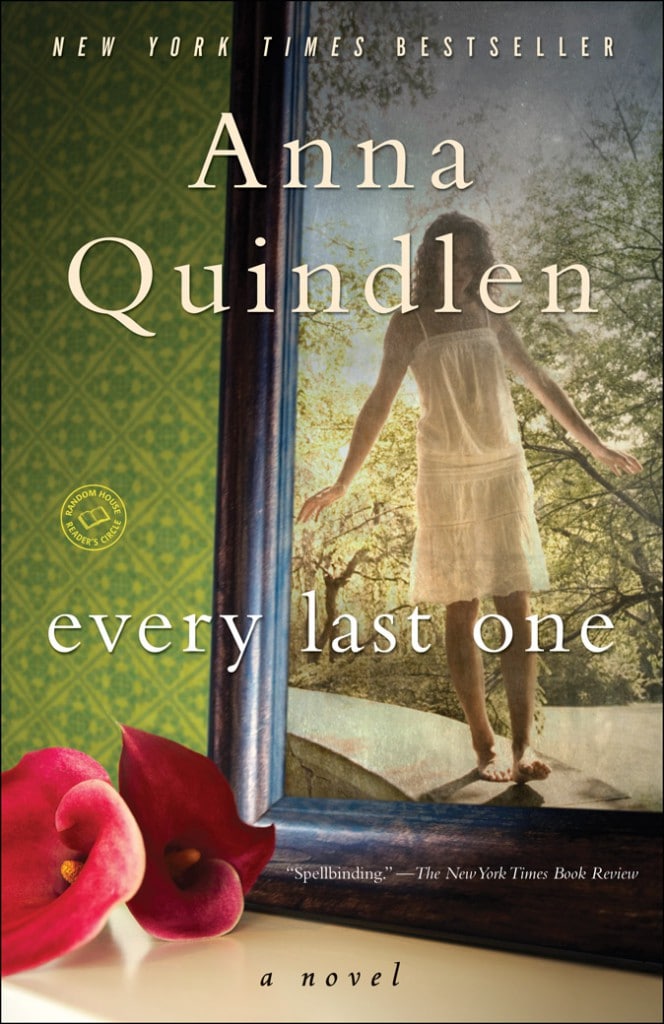
Every Last One by Anna Quindlen

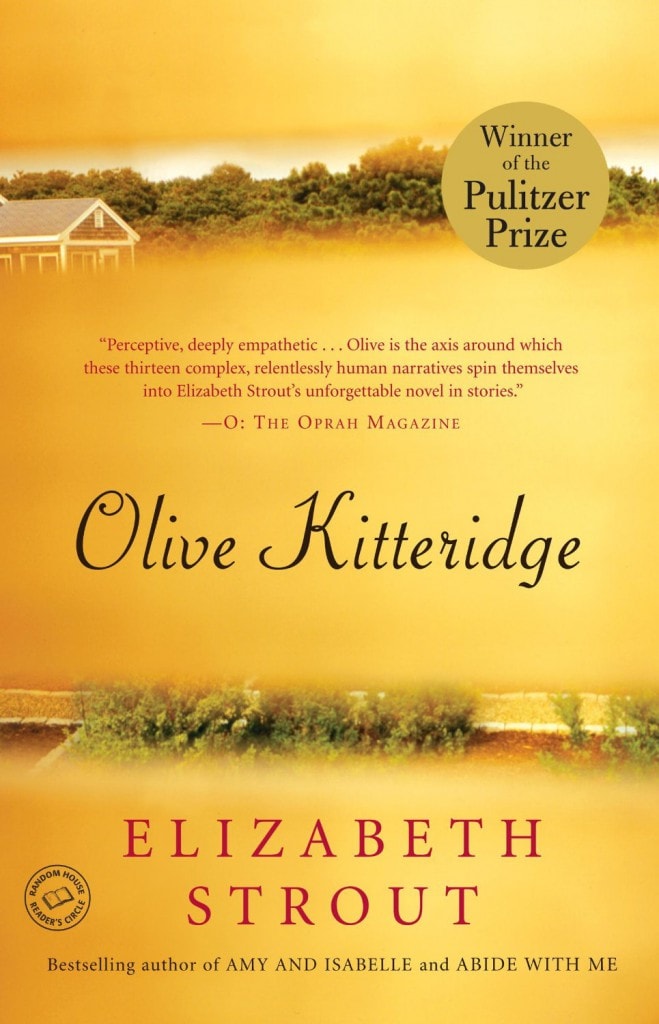
Olive Kitteridge by Elizabeth Strout

The Bees by Laline Paull


Read It: Room by Emma Donaghue, Every Last One by Anna Quindlen, Olive Kitteridge by Elizabeth Strout, and The Bees by Laline Paull

Recommended by: Carla Buckley

Emma Donaghue’s Room, Anna Quindlen’s Every Last One and Elizabeth Strout’s Olive Kitteridge. Just a few days ago, I finished Laline Paull’s fabulous debut, The Bees; I can’t recommend it highly enough.
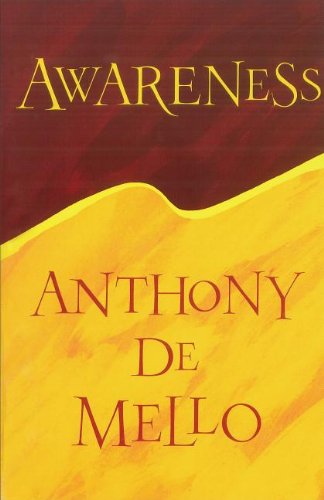
Awareness by Anthony DeMello

The Lover by Marguerite Duras

Read It: Awareness by Anthony de Mello & The Lover by Marguerite Duras

Recommended by: Rebecca Rotert

IMPOSSIBLE. I NEED TWO AT LEAST, AMY! However, a book I have to read over and over is Anthony de Mello’s Awareness.  It’s not fiction.  It might even be called self-help (choke).  It reminds me of the troublesome human pitfalls that can really muck up our short  little jaunt on earth.  I also return to Duras’ The Lover over and over because it reminds me of longing and waking up to life. These are a few of my favorite things, as the song says.
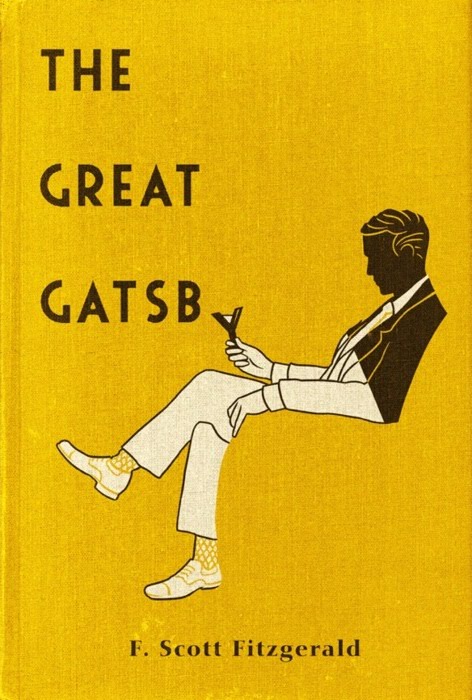
The Great Gatsby by F. Scott Fitzgerald

Read It: The Great Gatsby by F. Scott Fitzgerald

Recommended by: Caroline Leavitt

The Great Gatsby. I hated it in high school, but then years later, I had to teach it in a high school, and I began to realize what a perfectly structured novel it is, how moving, how sad, and how beautiful a book it really is.
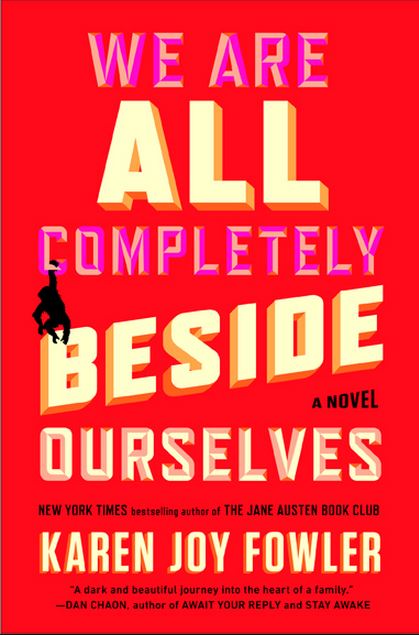
We Are All Completely Beside Ourselves by Karen Joy Fowler

Read It: We Are All Completely Beside Ourselves by Karen Joy Fowler

Recommended by: Anthony Doerr

Oh, gosh, my answer to this question changes all the time, but a novel I’m absolutely in love with right now is Karen Joy Fowler’s We Are All Completely Beside Ourselves. It’s about family, siblinghood, memory, storytelling, and particularly about our society’s treatment of animals. It’s also structured in this beautiful, organic, perfect way—I hope a few of your readers will give it a look!
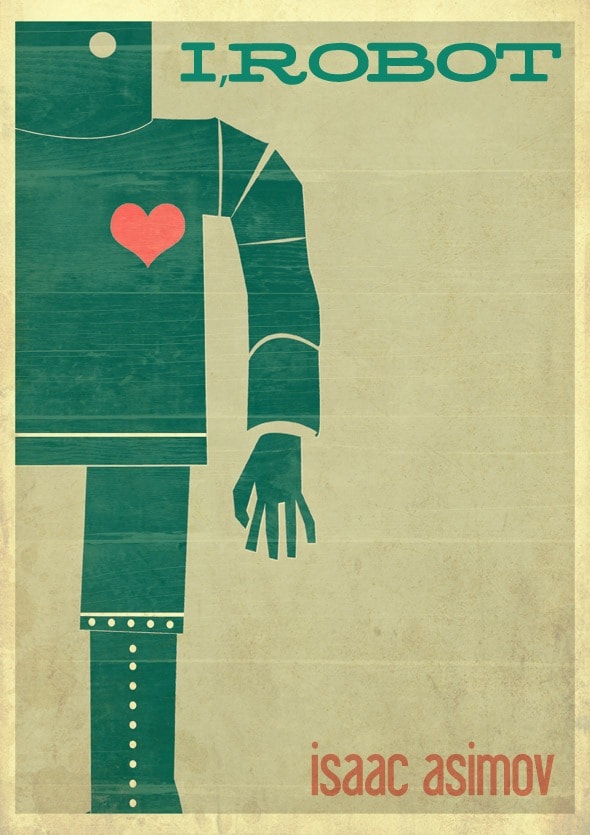
I, Robot by Iasaac Asimov

Read It: I, Robot by Isaac Asimov

Recommended by: Andy Weir

I, Robot” by Isaac Asimov. In my opinion, it’s one of the greatest sci-fi books of all time.
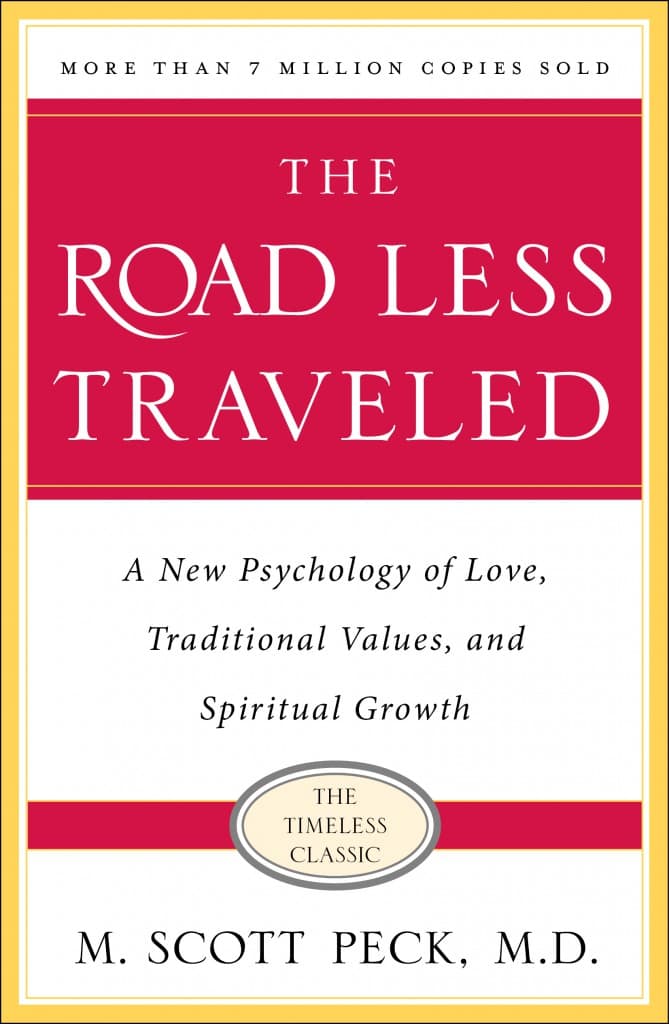
The Road Less Traveled by M. Scott Peck

Read It: The Road Less Traveled by M. Scott Peck

Recommended by: Kathryn Craft

Ah, the dreaded one book question, asked of a multiple-book lover! Since I know nothing about the reader, including why he or she reads—and given my answers to the question about critical subjectivity—I’ll assume your real question is “What book could someone read that would reveal the most about you?” You said “book,” not “novel,” for which I am grateful, since novels are such delicious slices of life it would be like asking if you could only taste one food what would it be. So I am going to go the nonfiction route and say The Road Less Traveled by M. Scott Peck. A brilliant life guide that I’ve read many times, my sensibilities are all over its pages.
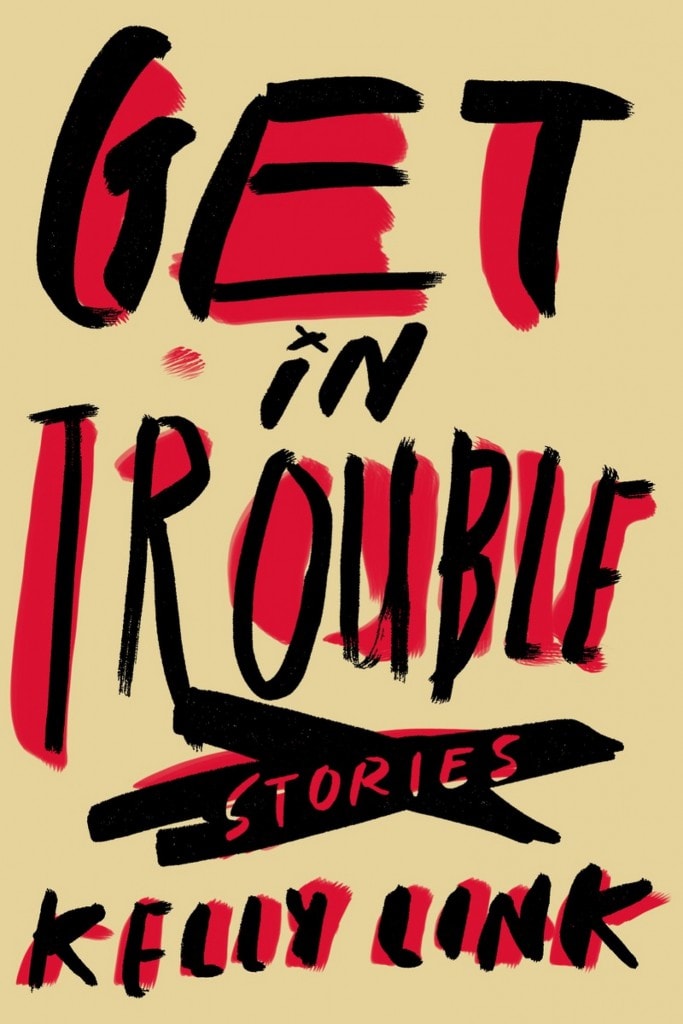
Get In Trouble by Kelly Link

Read It: Get In Trouble by Kelly Link

Recommended by: Karen Joy Fowler

I’m not sure I can answer this question.  It would depend on the anyone – I don’t think books are a one-size-fits-all sort of thing.   But a current enthusiasm is Kelly Link’s new short story collection, Get In Trouble.  I will be so happy if you all buy and read it.
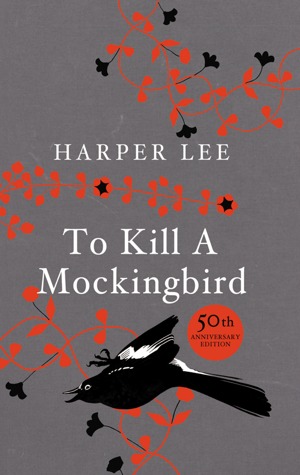
To Kill a Mockingbird by Harper Lee

Read It: To Kill a Mockingbird by Harper Lee

Recommended by: William Kent Krueger

My all-time favorite novel is To Kill A Mockingbird. Anyone who hasn’t yet read this American classic absolutely must.
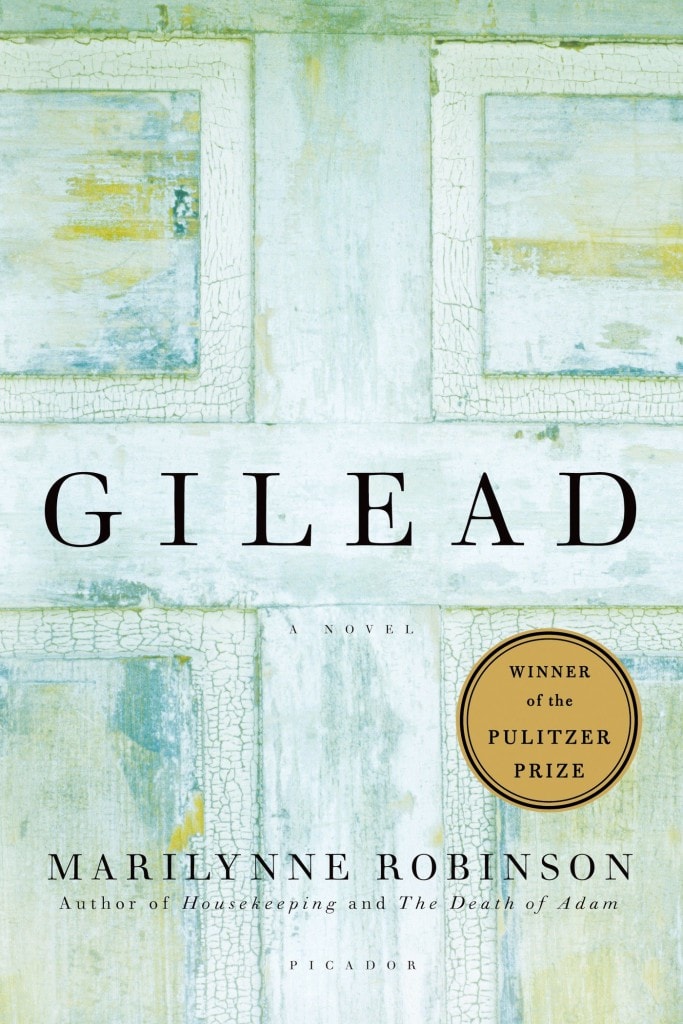
Gilead by Marilynne Robinson

Read It: Gilead by Marilynne Robinson

Recommended by: Cristina Henríquez

That’s so hard. But this one has been very much on my mind lately so I’m going to say Gilead by Marilynne Robinson.
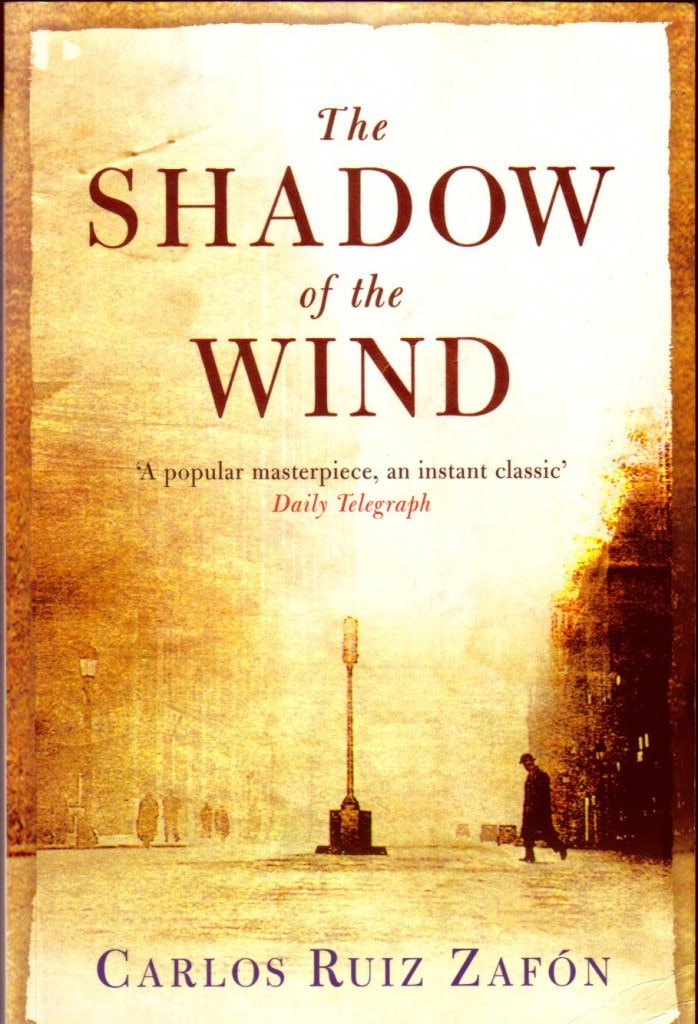
The Shadow of the Wind by Carlos Ruiz Zafon

The Great Gatsby by F. Scott Fitzgerald

The Last Anniversary by Liane Moriarty

Read It: The Shadow of the Wind by Carlos Ruiz Zafon, The Great Gatsby by F. Scott Fitzgerald, & The Last Anniversary by Liane Moriarty

Recommended by:  Frances Whiting

Oh My! What a hard question! I love books so much, choosing just one is almost impossible. But I’ll bite the bullet and say…no I just can’t do it! So instead I’ll say The Shadow of the Wind, The Great Gatsby, anything by P.J. Wodehouse, The Last Anniversary, anything by Mary Wesley, Nick Hornby, Tony Parsons and Clive James.
Their Eyes Were Watching God by Zora Neale Hurston

Read It: Their Eyes Were Watching God by Zora Neale Hurston

Recommended by: M.O. Walsh

This answer would likely be different on any day you asked me. There are so many great books out there!  Right now, however, I will say Their Eyes Were Watching God by Zora Neale Hurston. I’ve found myself missing that book lately, sort of yearning to go back and re-read it for maybe the 12th time.  Who knows why?  This is the great mystery of beautiful fiction; it speaks to us in fundamental ways that we ourselves don’t always understand. It’s a glorious thing.
Birdsong by Sebastian Faulks

Read It: Birdsong by Sebastian Faulks

Recommended by: Mary Louise Kelly

I would tell my brother to read Birdsong, the 1993 novel by Sebastian Faulks. It’s about a British soldier in France during World War I, and it is the most gorgeous epic of love and war and regrets. I’ve been telling my brother to read it for twenty years now, and he keeps refusing, at this point out of sheer orneriness. C.J., consider yourself publicly challenged.
Bel Canto by Ann Patchett

Read It: Bel Canto by Ann Patchett

Recommended by Annabel Smith

My all-time favourite novel is Ann Patchett’s Bel Canto, the incredible story of a prolonged embassy siege and the relationships which form between the hostages and their captors. Patchett has the most incredible insight into human behaviour and her prose is simply gorgeous. I have read this book at least half a dozen times and I get something new from it every time.
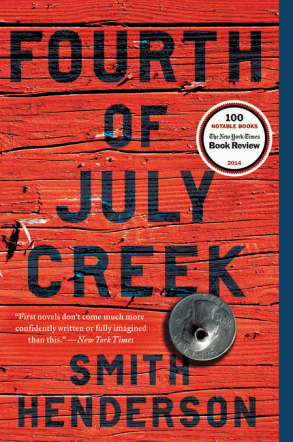
Fourth of July Creek by Smith Henderson

Read It: Fourth of July Creek by Smith Henderson

Recommended By: Amanda Eyre Ward

My favorite book last year was Fourth of July Creek by Smith Henderson. It’s dark, riveting, gorgeous, important.
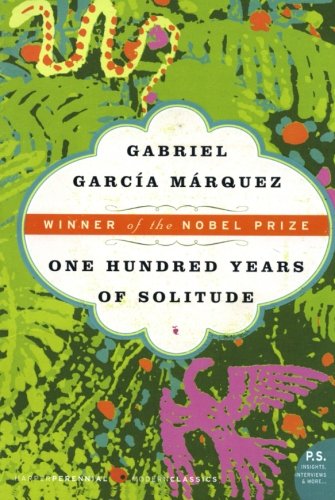
One Hundred Years of Solitude by Gabriel Garcia Marquez

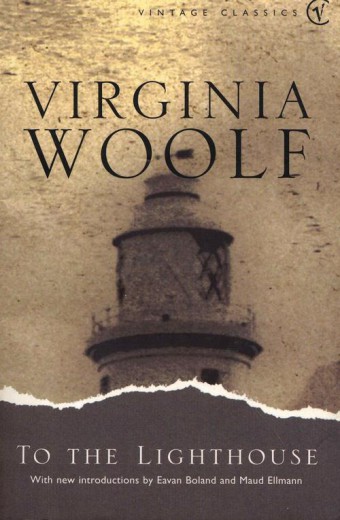
To the Lighthouse by Virginia Woolf

Read It: One Hundred Years of Solitude by Gabriel Garcia Marquez & To the Lighthouse by Virginia Woolf

Recommended by: Jandy Nelson

Two books: One Hundred Years of Solitude by Gabriel Garcia Marquez and To the Lighthouse by Virginia Woolf. My all time favorite novels.
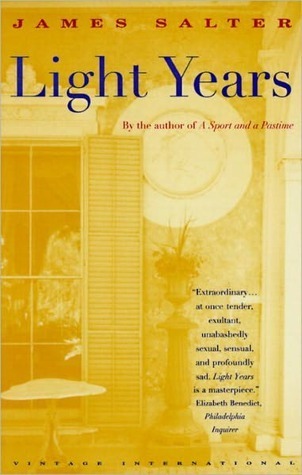
Light Years by James Salter


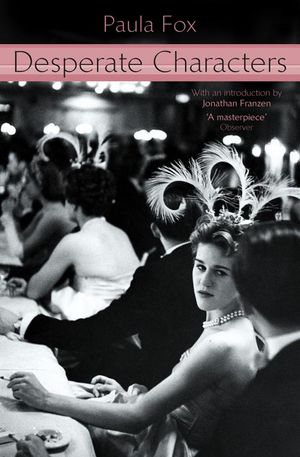
Desperate Characters by Paula Fox

Read It: Light Years by James Salter & Desperate Characters by Paula Fox

Recommended by: Molly Ringwald

Light Years by James Salter. It’s just one of those books that I keep picking up again and again. There is not a lot of fiction that I read while writing because I don’t want to be overly influenced. His writing is somebody, of course I write differently, but I just feel like he is a master. I also love, and we were recently talking about Desperate Characters by Paula Fox is a really wonderful book and Jonathan Franzen wrote the forward on it!
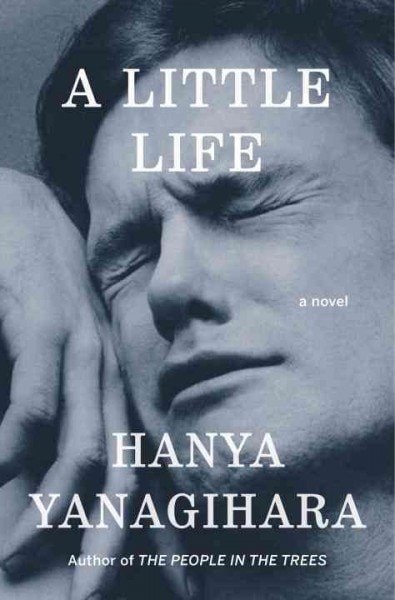
A Little Life by Hanya Yanagihara Read It: A Little Life by Hanya Yanagihara

Recommended by: Jessica Knoll

A Little Life by Hanya Yanagihara. I’ve been tweeting about this book a ton, and I am probably starting to scare the author a little. But it’s a stunning book—gorgeous prose, and an epic and powerful tale about friendship.
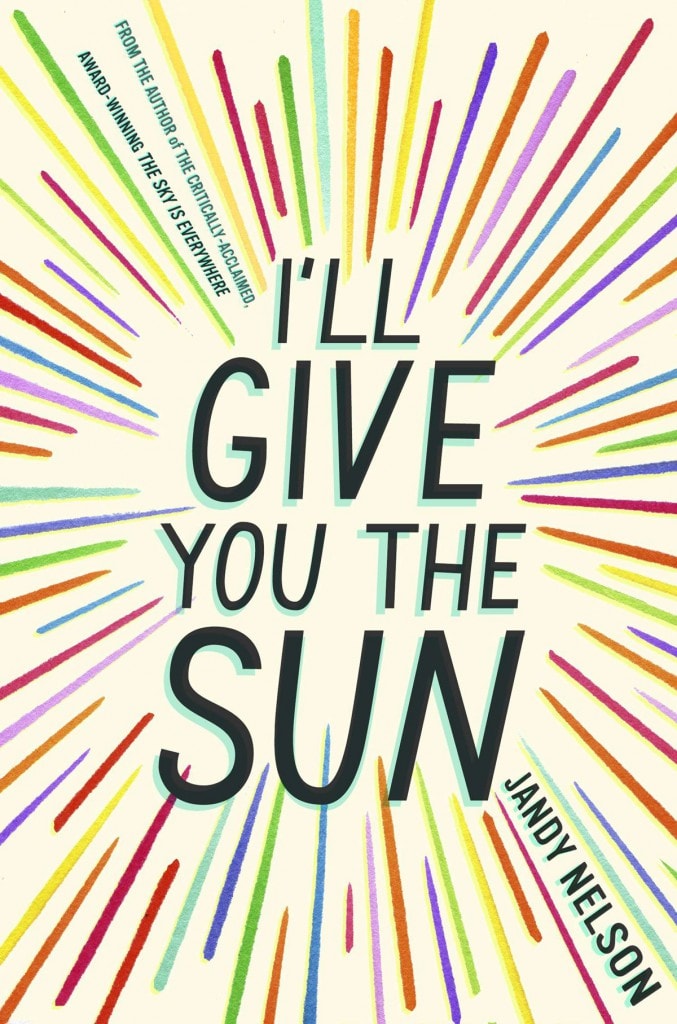
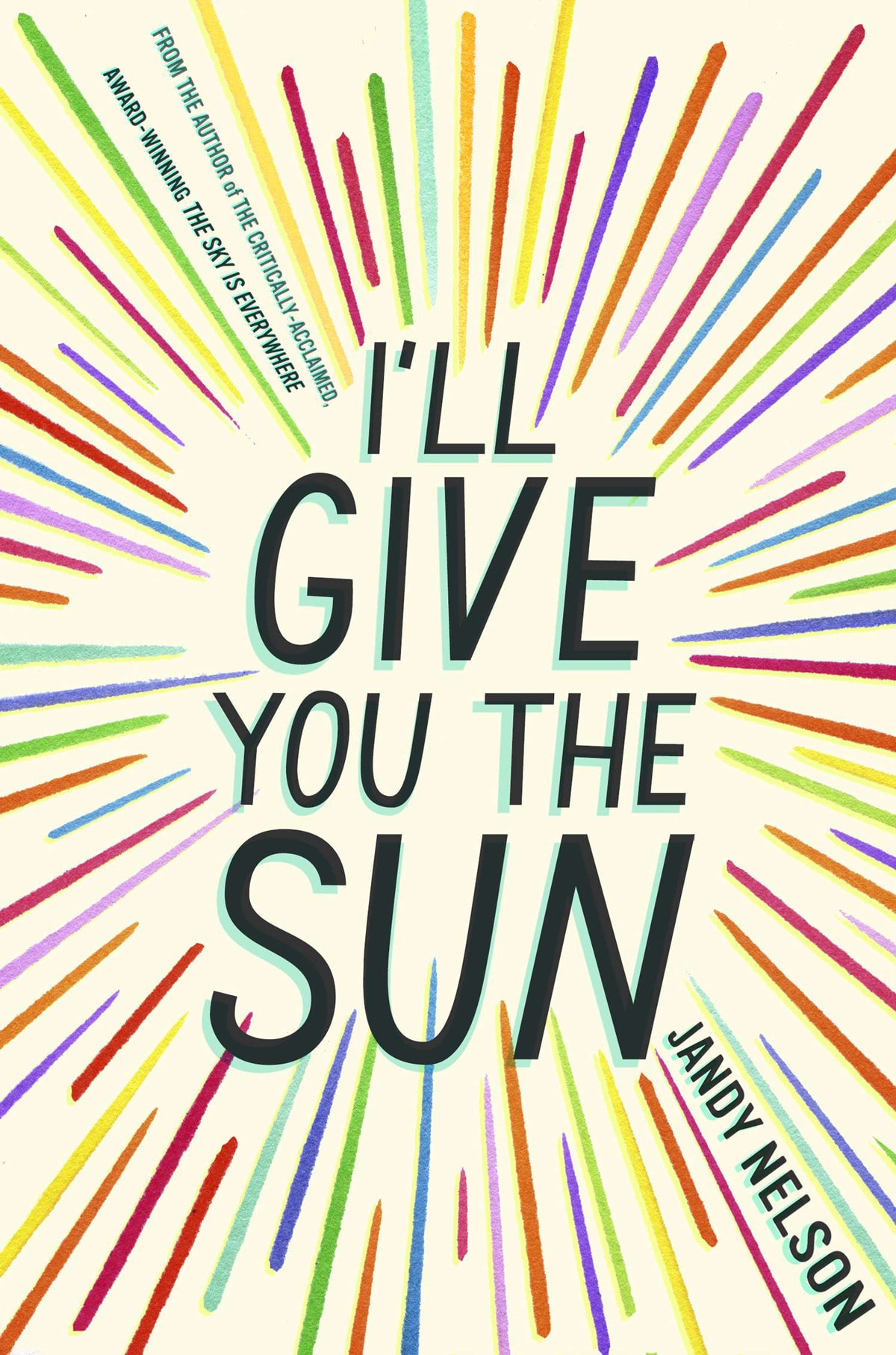
I'll Give You the Sun by Jandy Nelson

Read It: I’ll Give You the Sun by Jandy Nelson

Recommended by Tamara Ireland Stone

That’s easy. Jandy Nelson’s “I’ll Give You the Sun.”

If you like Every Last Word’s message about the healing power of writing, you’ll love the way this novel celebrates the healing power of art. It’s so brilliantly crafted, told in alternating viewpoints by brother and sister twins—his story tells the past while hers tells the present. I’m simply in awe of Nelson’s ability to weave together different timelines and points of view into a beautifully written, emotionally gripping story.

Pin It
Sundays With Writers: The Life Intended by Kristin Harmel

Sunday, June 28th, 2015

Sundays With Writers

A warm welcome to my new readers and fans of our Sundays With Writers feature! I was so honored to share on Hollywood Housewife this week my book recommendations for your summer beach bag. Laura’s blog is a personal favorite of mine and I love her book reviews so much that it was such a treat to be featured over there. She will be joining us this month sharing some easy summer beauty routines so stay tuned for that piece from her- it’s a good one!

One of the books I featured in this post was The Life Intended by Kristin Harmel. I reached out to Kristin to see if she would let me interview her for our Sundays With Writers and by the end of the exchange she was sending me recipes to replicate some of her favorite dishes she tried in Italy. She really is as warm and engaging as this beautiful book. This is my first book that I have read by her, but it won’t be the last.  In fact, The Sweetness of Forgetting is now on my summer reading list!

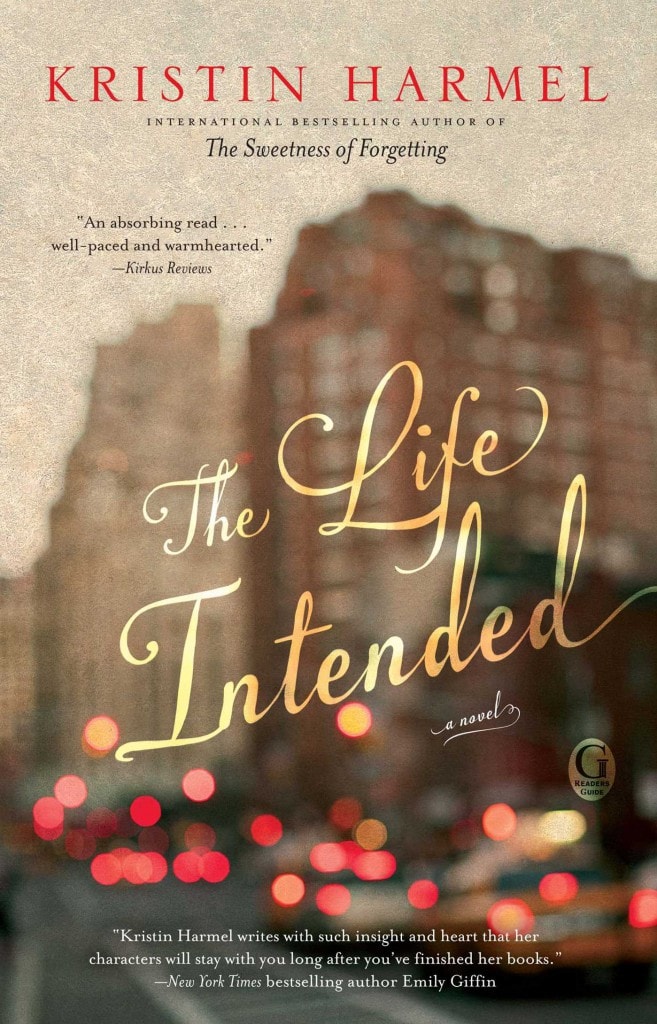
The Life Intended by Kristin Harmel

I am a big fan of books that explore the what-if’s in life and this one does it beautifully. When Kate loses her husband in a tragic accident she finally feels like she can move forward in a new relationship twelve years later. When her husband begins to visit her in her dreams though, she begins to fall into an alternate universe where the lines between reality and imagination are blurred.

One of my  favorite movies is Sliding Doors and this book reminded me so much of that movie. Harmel truly explores what does it take to move forward in life without forgetting your past.

In this story, Kate blames her lack of sleep on stress. But when she starts seeing Patrick, her late husband, in her dreams, she begins to wonder if she’s really ready to move on. Is Patrick trying to tell her something? Attempting to navigate between dreams and reality, Kate must uncover her husband’s hidden message. Her quest leads her to a sign language class and into the New York City foster system, where she finds rewards greater than she could have imagined.

This is the best piece of chick lit I have read this year and I would highly recommend for anyone who needs a little reading escape! I have been telling everyone to escape with this one and I keep hearing how much they loved it too. It’s one I would be packing in my beach bag this summer, for sure!

I gave this book 5 out of 5 stars in our reviews for the month of April!

Grab your coffee and let’s settle in with Kristin to talk about her beautiful book today! 

Kristin Harmel

I am such a fan of magic realism in stories and this beautiful book, with parallel worlds running, was amazing! How did you come up with this idea for a story?

Thanks so much for the kind words! And in answer to your question, would you believe I dreamed the whole story, almost completely intact? It sounds nutty, especially since dreams play a role in The Life Intended, but this has never happened to me before, and this is my ninth book! I was searching for a story idea around the time I was out promoting my previous novel, The Sweetness of Forgetting, and I woke up one morning with the idea for The Life Intended in my head. I jumped out of bed, grabbed a pen and a stack of paper, and began scribbling as quickly as I could before the story vanished. Of course I had to work out many of the intricacies later – research, character development, pacing, etc. – but the framework for the story was there from day one. I kind of think of this, therefore, as “the book intended!” Oh, it’s also important to note that I’m not usually a very vivid dreamer, so it was all the more unusual that I woke up with a whole book in my head!

Kate’s job is working as a musical therapist and she uses this to help kids in the foster care system to work through the emotional struggles they are dealing with. Did you know anything about musical therapy before working on this book?

No, I didn’t know much. I had to research music therapy from scratch, and I was also fortunate enough to receive the assistance of a lovely musical therapist in New York who helped answer many questions for me.  I put a ton of time into researching this book; I didn’t know much about sign language, hearing loss or the foster system in New York either, and those were all things that came into play, so I had to do a lot of work to get the details just right.

In the story Patrick and his family have a fun family tradition with silver dollars that they “pay forward” to others. Do you have any traditions like these in your own home?

Nope! But how crazy is this? It turns out that my father-in-law has a silver-dollar necklace, exactly like the one I describe Kate wearing, that his own father gave him. His family actually had a similar silver dollar tradition, and I never knew about it. What are the odds?

Kate ends up taking a sign language class to help her learn to communicate with her daughter, that helps her life take a much different path than she expected. What type of research did you do on the deaf and sign language to help you prepare for these scenes in your book?

I have a few friends with hard of hearing children, so I did a lot of talking with them – and a bit of talking with the kids. I also interviewed a few experts in hearing loss, did a ton of reading – especially on cochlear implants and how music therapy works for deaf or hard of hearing patients – and consulted a sign language interpreter to help me get the sign language scenes correct.

Did you learn anything that surprised you through your research on communicating with the deaf?

When I set out to write this book, I had no idea that music therapy was used with deaf kids. I was thrilled to discover this, actually. I love the idea that we’re capable of hearing music with more than just our ears. With kids who can’t hear at all, for example, vibrations play a role in music therapy. In general, I really like the idea of using unexpected techniques to create additional bridges between us, in every walk of life. Another thing I learned about deafness, which I hadn’t realized before, is that there’s a difference between “deaf” with a lowercase “d” and “Deaf” with an uppercase “D.” The former is simply the medical state of hearing loss; the second refers to the community of people who have a shared culture based on this hearing loss. I never understood that distinction before, nor did I understand that within the Deaf community, cochlear implantation is still a source of debate. That was fascinating to discover, and I include some of that in The Life Intended.

In one scene Kate says, “I’m a firm believer that music is a huge gift in life… it has the power to connect people to each other in a way that words just can’t.” What is one piece of music that you have felt really connected to?

Music has always meant a lot to me; not only can a piece of music touch you in the moment, but I also think that music can connect you to certain periods or memories in your life. For example, whenever I hear one of the New Kids on the Block songs I loved in the late ‘80s, I’m always ten years old again, and my long-dormant crush on Donnie Wahlberg reappears for an instant. (Don’t laugh at me! He turned out rather nicely, thank you!) Or when I hear Third-Eye Blind’s “Semi-Charmed Life,” I’m immediately transported back to my freshman year of college, because that was a song I really liked then. The theme music from the movie Superman always reminds me of my childhood and makes my heart swell, and the theme music from Somewhere in Time, another Christopher Reeve movie, makes me believe in true love all over again. I think it’s astonishing that music can evoke so many feelings, memories and emotions. It’s like a totally different language!

If you could tell anyone to read one book (other than your own) what would that book be?

All The Light We Cannot See by Anthony Doerr. I realize that’s sort of a lame response, because the book is so popular right now, but it’s truly one of the most beautifully crafted and beautifully written books I’ve ever read. I recommend it all the time! (Editor’s Note: Check out our Sundays With Writers with Anthony Doerr HERE!)

Thanks so much for taking the time to chat with me, Amy! It was lovely having a virtual coffee with you!

You can connect with Kristin Harmel on GoodReads, on Facebook, or through her website! I’m always thankful for these moments with writers and I hope you will pick up this amazing book! You can always connect with me on GoodReads,through our books section of our site, and you can read our entire Sundays With Writers series for more author profiles. Happy reading, friends!

*This post contains affiliate links!
Pin It

Sundays With Writers: When It Happens to You by Molly Ringwald

Sunday, May 10th, 2015

Sundays With Writers

Happy Mother’s Day to all my favorite mama readers out there. I hope you are having a fantastic day today! I have such a special interview for you today as I got the chance to spend some time with Molly Ringwald last weekend. Yup, THE Molly Ringwald!  Molly served as the keynote speaker at Mom 2.0 this year on behalf of Dove and they asked if I would like to spend some time interviewing her for my site. I am, of course, a huge fan of her movies, but did you know that she is also a very accomplished writer? Well, she is, and I got the chance to interview her about Dove and they asked if I would like to spend some time interviewing her for my site. I am, of course, a huge fan of her movies, but did you know that she is also a very accomplished writer? Well, she is, and I got the chance to interview her about When It Happens to You and what she has in store for us next.

When It Happens to You by Molly Ringwald

Tales of love, loss, and betrayal are at the heart of When It Happens to You. A Hollywood icon, Ringwald brings the compelling candour she displayed in her film roles to the unforgettable characters she has created in this series of intertwined and linked stories about the particular challenges, joys and disappointments of adult relationships. Her characters grapple with infertility and infidelity, fame and familial discord in this fantastic debut novel.

when-it-happens-to-you

I started this beautiful book this week and am absolutely enjoying it and plan to spend this rainy day with it today. Short story books are not something I typically gravitate towards, but if you are looking for one to try, I really recommend this one as a great launching pad into short story format. Although each chapter is a story, the stories are intertwined in some way that the reader can discover as she reads from chapter to chapter, building upon the initial themes in the previous chapters.

One thing I hear a lot from moms is their struggles to dive into books because their time is so limited that they struggle with finishing books. Short stories are a magnificent way to get in your reading time and feel accomplished. As Molly states in this interview, it is also a great way to trick your brain into writing a novel. By approaching it in a short story format, she was able to break up the writing in a way that felt more manageable as a busy mom.

For those that have asked, Molly was as warm and personable as a girl could hope. She was complimentary and went way over my allotted interview time talking about great authors. I wish I could have chatted with her all day about writing and great books.  She also wasn’t just chatting about herself, her genuine enthusiasm for other writers and her own writing was contagious.

Grab your coffee and let’s chat with Molly Ringwald about When It Happens to You

When It Happens to You by Molly Ringwald

You decided to segue from acting into writing. Is this something you have always wanted to do?

I have always been interested in writing, it’s always been something I have done in my spare time and then it was just something I decided to put out there professionally once I turned forty. I think when you are younger, or at least when I was younger, I always felt like I had to focus on one thing and I think that multi-hyphenates were not really honored in the same way and celebrated as much. I felt like, in a way, that no one would take me seriously as a writer when I was younger, but then you get older and you don’t care as much about what other people think.

Were you surprised by how well your books were received?

Yes, I wrote two books,  (Getting the Pretty Back and When It Happens to You) and they were both on the national bestsellers list. I am particularly proud of my fiction collection though!

When tackling When It Happens to You, why did you decide to write in short story format? Is it because you like the smaller story explorations?

I have always just loved short stories and I was a really a big fan of Raymond Carver’s short story collections, although he is certainly more minimalist and starker than I am..and maybe a little more depressing. I think, really, it was just a format that I understood since most of the fiction that I had done was short. I think that may have been because I was busy doing a lot of other stuff too. Also for me, it was tricking my brain into writing a novel because, as it says, it’s really a novel in stories. And it really is. They all resonate off of each other and it is all structured in that way. I just think writing a novel was a little too daunting for me so this was a way to kind of do that through short stories. That said, they are pretty long stories and the only really truly short story in there is the title story.

Are you thinking about adapting this one into film?

Yes, I have been thinking about it. I’m still thinking about it, but I’d also really like to write another book too.

If you could tell anyone to read one book right now (other than your own) what would that book be?

Oh, that’s a hard one! Um…what do you think that would be? (she asks her husband, Panio Gianopoulos, author of A Familiar Beast).

Panio: Light Years?

Molly: Yes, that probably would be true. Light Years by James Salter. Yeah..I think that might be it.

Panio: I mean, when you finished it, you immediately started to reread it.

Molly: It’s true.

Okay, if you are rereading it then it has to be a favorite. If you reread,  you know that it is special!

It’s just one of those books that I keep picking up again and again. There is not a lot of fiction that I read while writing because I don’t want to be overly influenced. His writing is somebody, of course I write differently, but I just feel like he is a master. I also love, and we were recently talking about Desperate Characters by Paula Fox is a really wonderful book and Jonathan Franzen wrote the forward on it!

A huge thank you to Dove for the incredible opportunity to interview Molly about her stories as well as their sponsorship for me to attend Mom 2.0 this year. It was an experience that I will never forget.  Dove is encouraging everyone to share their #BeautyStory and shared this beautiful story of 4 generations of women in one family that all share the same beauty secret in this beautifully shot campaign. Do you have a beauty story to share? Head to the

Dove is encouraging everyone to share their #BeautyStory and shared this beautiful story of 4 generations of women in one family that all share the same beauty secret in this beautifully shot campaign. Do you have a beauty story to share? Head to the Dove Beauty Bar and share your secrets! Thank you, Dove!!

You can connect with Molly Ringwald on GoodReads or through her website! I’m always thankful for these moments with writers and I hope you will pick up this amazing book! You can always connect with me on GoodReads,through our books section of our site, and you can read our entire Sundays With Writers series for more author profiles. Happy reading, friends!

*This post contains affiliate links!
Pin It

Sundays With Writers: I’ll Give You the Sun by Jandy Nelson

Sunday, April 26th, 2015

Sundays With Writers

I’m so excited to have another author this week in our Sundays With Writers series. Jandy Nelson is my new favorite young adult author and I think once you read her words, you will understand why this author has found such a special place in my heart. I picked up I’ll Give You the Sun and I just couldn’t put it down.  Spoiler alert: this one is making the top ten for 2015 so add this to your must-read list!

In some ways,  it reminded me of Eleanor & Park because the characters were just quirky, endearing, and it captured that angst and heartache of youth so well. In other ways, this book was unlike any I have ever read where the authors words are so incredibly visual that it felt like you were reading a painting and the words were living and breathing off the pages. It’s hard to capture into words, that’s why you must read it and why I am BEYOND thrilled to have Jandy join us today.

I'll Give You the Sun by Jandy Nelson

I’ll Give You the Sun is achingly beautiful in so many ways exploring the beauty and anguish of first loves. This story is uniquely told by a twin sister & brother, alternating chapters, yet one is telling the story three years later while the other is telling the story as it happens. It creates a journey experience for the reader when characters begin to overlap together in these stories.

Jude and her twin brother, Noah, are incredibly close. At thirteen, isolated Noah draws constantly and is falling in love with the charismatic boy next door, while daredevil Jude cliff-dives and wears red-red lipstick and does the talking for both of them. But three years later, Jude and Noah are barely speaking. Something has happened to wreck the twins in different and dramatic ways . . . until Jude meets a cocky, broken, beautiful boy, as well as someone else—an even more unpredictable new force in her life. The early years are Noah’s story to tell. The later years are Jude’s. What the twins don’t realize is that they each have only half the story, and if they could just find their way back to one another, they’d have a chance to remake their world.

Nelson’s words read like watching a painting unravel on a page, as though it all is coming to life, especially when told through artistic Noah’s eyes as his words are the most visually vivid. Nelson beautifully paints the portrait of the typical teenage angst of Jude & Noah, while focusing strongly on the difficulties of being a gay teen and the hostility of classmates that force Noah to try to fit in with his peers.

I laughed and cried through the pages of this one especially because I have never read a writer like this, making me Nelson’s latest fan. It really surprised me in so many ways. I would recommend it for fans of Rainbow Rowell or John Green.

Grab a cup of coffee and let’s settle in with the fantastic Jandy Nelson.

Jandy Nelson

One thing that makes this book incredibly unique is the chapter set-up. With one twin telling the story as it is happening and the other telling it three years down the road, the reader can begin piecing these two stories together in such a unique way. Why do you think it was important to tell your story this way and how difficult was this to execute as an author?

It definitely took a while for me to figure it all out. I knew from the beginning I wanted the story to be told in both Noah’s and Jude’s POVs and in different timeframes, wanted their narratives to be interwoven and the structure of the novel to mimic the mirroring/braided way it can feel to be a twin. Also, it was important to me that each twin’s voice be distinct and each of their stories have its own propulsion and tension. In a lightning strike moment, I decided what I needed to do was write Noah’s story start to finish, then Jude’s start to finish, and intertwine them after. When I was working on one twin’s narrative I’d lock the file of the other’s so I wouldn’t cheat and would stay in the heart/mind/body/time period of the twin I was working on. Once I had both stories finished—this took about two years—I began weaving the stories together which was like writing a whole new novel. I think I lost 50K words in that process, which took another year and a half and involved a lot of praying! In general, my thinking was that the interweaving structure both in different POVs and in different time periods would allow the mystery elements of the novel to unfold and be revealed in the best possible way. Like you say, I wanted the reader to slowly piece the story together. I hoped this structure would create more suspense and momentum, that feeling of “Wait, what actually happened in those intervening years?”

 As a reader we are taken on the journey of Noah feeling like, “a broken umbrella,” because of his sexuality and the acceptance of who he is. Have you heard from any gay young adults who have identified with Noah’s journey? How has your story impacted kids (or even parents) that are going through this?

In many ways, I think Noah feels like “a broken umbrella” when he’s younger less because of his sexuality, which both thrills and frightens him, and more because of his (misguided) perception of his father’s disdain for him, which in Noah’s mind includes his sexuality, yes, but also his artistic and solitary nature. I have heard from many lgbtq teens and it just means the world to me. Unbelievably, some have told me that Noah changed their lives, others that reading his story inspired them to come out or be more true to themselves. And others still, lots of adults as well, just happy to read a love story between two teenage guys. I’ve also heard from a few parents who said they were grateful that their son or daughter now has Noah and his story and that it’s helped their child not feel so alone. There’s really no way to express how happy this kind of feedback makes me. It’s everything!

I’ll Give You the Sun has been optioned for screenplay which I couldn’t be more excited about. Do you have any information on what readers can expect with the film and how involved are you in the process of adapting this book into film?

Yes, Warner Brothers optioned the novel this summer before it came out and Denise Di Novi and Allison Greenspan are attached to produce. The screenwriter Natalie Krinsky is writing the screenplay this very minute. So honestly, not so much to report yet, but hopefully soon. It’s funny, the twins became so real to me that one time in the middle of writing the novel, I went to a Diebenkorn exhibit at the museum and my first thought on entering the gallery was, “It’s such a shame Noah and Jude couldn’t come with me today.” I’d absolutely forgotten that they weren’t real in that moment! So it’ll be wild to truly see them as flesh and blood. I’m also very excited to see all the artwork: Noah’s mind-paintings, Guillermo’s granite giants, Jude’s sand women. The art in the story is incredibly vivid in my head so it will be something to see different artists take on the work. So far I’ve been very involved in the process and everyone’s been wonderful and incredibly respectful of the novel. Fingers crossed!

 One thing I really appreciate about you, as an author, is the extensive research you really did to form these characters…even diving into a sculpting classes yourself! Did you find any special talents or hobbies that surprised you in this journey of creating these voices?

Oh how I wish that I’d found some latent artistic talent when writing this novel! What I actually found out in that sculpture class was I’m the worst stone carver on earth. Alas, I think the closest I’ll ever get to painting is making Noah’s mind-paintings. That was such a blast for someone like me who can’t even do a stick figure justice. But yes, I definitely do a lot of research. My natural inclination is to constantly want to go back to school and so doing research for a novel satisfies this impulse and is much less life-disrupting. I recently decided I’m kind of a method writer, like there are method actors. I love to get completely immersed in my characters and this includes their passions and interests. For instance, there’s a character in my new book who loves to cook and so I’ve been reading cookbooks in the bathtub and generally cooking up a storm for everyone who’ll let me. It’s one of the best parts of writing fiction for me, getting to live all these other lives in addition to my own. It’s the best kind of sorcery.

If you could tell anyone to read one book right now (other than your own) what would that book be?

Two books: One Hundred Years of Solitude by Gabriel Garcia Marquez and To the Lighthouse by Virginia Woolf. My all time favorite novels.


You can connect with Jandy Nelson on GoodReads or through her website! I’m always thankful for these moments with writers and I hope you will pick up this amazing book! You can always connect with me on GoodReads,through our books section of our site, and you can read our entire Sundays With Writers series for more author profiles. Happy reading, friends!

*This post contains affiliate links!

Sundays With Writers: The Same Sky by Amanda Eyre Ward

Sunday, April 5th, 2015

Sundays With Writers

Happy Easter Sunday! I hope that you are all enjoying celebrating this season with your family! Today I am excited be interviewing Amanda Eyre Ward, in this week’s Sundays With Writers, about her beautiful and haunting book, The Same Sky. It made my must-read list for last month’s round-up of great reads and today I am learning a little bit more about the story behind the story.

The Same Sky by Amanda Eyre Ward


Ward alternates two stories in The Same Sky– one of a typical middle-class woman who is struggling with infertility and becomes a mentor to a struggling teen and the other story of a young girl and her brother who face the harshest kind of poverty and are trying to get to America where they can finally be reunited with their mother and safe. The story of her journey to America is harrowing and devastating to read. Ward doesn’t hold back on setting the scene, giving you an eye-opening look at the real struggles of coming to America. Their lives intertwine and provide a satisfying conclusion to this sad story.

I found this book disturbing in some parts and I have been carrying some of the scenes around with me this month. There is poverty and then there is POVERTY. We are talking, eating flour and water for dinner (if you are lucky), addictions to glue to feel full by small children, parents abandoning a child to take care of another child and head to America. It was really heartbreaking. I knew after reading it that I had to reach out to Amanda and see if she could share why this story was so important to tell and what we, as readers, can learn from this book.

Ward does a great job of contrasting the struggles of a typical middle-class white suburban mother against the struggles of a child in poverty effectively without being mean about it. It made me think about how my struggles are so minor compared to the struggles of others.

Grab your morning coffee and let’s settle in with Amanda about her hauntingly beautiful book!

Amanda-Eyre-Ward-Headshot

Can you share a little bit about the research you had to do on immigrant children and children at the Mexico/US border to start shaping this book and the story of Carla?

Yes. When I first became obsessed with the children who ride the Beast to find their parents in the US, I had no idea how on Earth I would research the topic. (I actually have an almost magical belief that the right topics come to me at the right time…as do the people/books/travels I need to understand the topics…but that’s another question entirely!)

It turns out that another mom at my children’s school runs many of the shelters at the US border for unaccompanied minors was apprehended trying to enter the US. She was kind enough to bring me to Brownsville and San Diego to talk to the kids about being a writer. I was also able to ask the children about their journeys to the US. To a one, their stories were harrowing and amazing and brave and sad…their voices all combined to create Carla’s voice.

I hope it is okay to say that I have been carrying the story of Carla and her brother around for the last few weeks and I can’t stop thinking about the horrific poverty they faced. First, how hard was it for you hearing these stories and then shaping this story into a book and, secondly, how do you think your readers could help change the real story of immigrant children?

Of course it is OK! It’s one of the reasons I wrote the book, in fact. It was incredibly hard to hear these kids’ stories…especially being a mom myself. I had a hard time turning off the kids’ voices. I still struggle with holding the knowledge that every night, as I tuck my children into bed, there are children sleeping on cardboard boxes by train tracks…and there are kids clinging to the tops of trains, or trying to sleep after another day with no food and no hope, or unable to sleep because they are terrified that the local gang will come for them. The list goes on. But crafting the novel helped me make sense of one girl’s story…I was able to bring Carla to safety.

There are many practical ways to help these children–some on my website. But I tell readers (and friends) that the most important thing is to remember that these are children–like our children, like we were children. It is a humanitarian crisis, and these kids need and deserve asylum, kindness, care, and the ability to dream of a safe life. It is all too easy to turn away from the “surge” or “waves” of kids (as they are portrayed in the media). But you must try to remember that these are sweet, individual children. Then it’s harder to turn away.

There is a really effective use of contrast in creating Alice, a relatable middle class white woman, in this story. Why do you think this contrast is so necessary in the telling of this story?

Father Alejandro Solalinde

Source: CUSLAR

In the course of my research, I watched talks given by Father Alejandro Solalinde, who runs a shelter for migrants in Ixtapec, Mexico. He said that these kids have the spiritual capital the US is lacking. This struck me, and became one of the major themes of the book: though Carla has no material goods, her faith and spiritual capital is something Alice (who quite literally has achieved The American Dream) is lacking. I wanted to show that these kids have so much to teach us about the power of faith and courage.

Whose voice was harder for you to craft- Carla’s or Alice’s? Why?

I am currently working on a book with two voices (though 3rd, unlike Alice and Carla’s 1st) and it’s funny: some days I want to write one character, and some days, another.

I wrote Carla’s section very fast…I couldn’t bear to have her linger along her journey, and was obsessed with getting her to safety. Then I inserted Alice’s sections later.

Almost every morning on NPR, I hear stories about immigration from both points of views, regarding immigrants in the US and immigration laws. Although this book is not political, do you hope people might walk away with a different viewpoint by crafting Carla’s story?

Yes–I want readers to open their minds and hearts and listen to one child…then they might find they have different views on many issues. (I did.)

In this novel you paint so many heartbreaking scenes that pulled at my heartstrings. I am wondering, as a mother, what was the hardest scene for you to write?

The scene after Carla leaves the hospital, when her mother is bathing her in their tub in the Ace Motel. I still cry thinking about that scene.

I have read so many great books this year about the struggles of immigrants like Americanah, The Book of Unknown Americans, and your beautiful book. Do you have any other book or film recommendations (fiction or non-fiction) for people interested in learning a new viewpoint on this topic?

Enrique’s Journey and The Beast are two amazing nonfiction books…I also adored the movie Sin Nombre.

If you could tell anyone to read one book right now (other than your own) what would that book be?

My favorite book last year was Fourth of July Creek by Smith Henderson. It’s dark, riveting, gorgeous, important.

You can connect with Amanda Eyre Ward on GoodReads or through her website! I’m always thankful for these moments with writers and I hope you will pick up this amazing book! You can always connect with me on GoodReads,through our books section of our site, and you can read our entire Sundays With Writers series for more author profiles. Happy reading, friends!

*This post contains affiliate links!
Pin It

Sundays With Writers: Whiskey & Charlie by Annabel Smith

Sunday, March 22nd, 2015

Sundays With Writers

One of the privileges of having this space has been doing our Sundays With Writers interview series. The other privilege has been getting to sneak peek books before they hit store shelves so I can share them with you. Whiskey & Charlie was provided to me by NetGalley a couple of months ago and I simply could not put it down. I even included it last month in my must-read list! This book will be hitting store shelves on April 7th, but I already read the exciting news that this one has been selected as a Target Book Club pick for April.

How exciting is that for our featured author today? 

Whiskey & Charlie by Annabel Smith

Whiskey and Charlie might have come from the same family, but they would tell you two completely different stories about growing up. Whiskey is everything Charlie is not – bold, daring, carefree – and Charlie blames his twin brother for always stealing the limelight, always getting everything, always pushing Charlie back. By the time the twins reach adulthood, they are barely even speaking to each other.

When they were just boys, the secret language they whispered back and forth over their crackly walkie-talkies connected them, in a way. The two-way alphabet (alpha, bravo, charlie, delta) became their code, their lifeline. But as the brothers grew up, they grew apart.

When Charlie hears that Whiskey has been in a terrible accident and has slipped into a coma, Charlie can’t make sense of it. Who is he without Whiskey? As days and weeks slip by and the chances of Whiskey recovering grow ever more slim, Charlie is forced to consider that he may never get to say all the things he wants to say. A compelling and unforgettable novel about rivalry and redemption, Whiskey & Charlie is perfect for anyone whose family has ever been less than picture-perfect.

This story is incredibly moving and bittersweet. The author does a great job tackling the difficulties of sibling rivalry, what it would be like to be a twin, and how even when we don’t always like our family members, they are always our family and loved.

To me though, the most ambitious element of this book is that the author uses the phonetic alphabet for each chapter that perfectly weaves into the story and adds another level of charm to this book. 

Please grab a cup of coffee and settle in for this fun interview with Annabel Smith today!

Annabel Smith

The story of Whiskey & Charlie, identical twin brothers now estranged, was such a beautiful telling of the messiness and challenges of sibling rivalry. In telling their story, you adopted the phonetic alphabet, something these two were fond of using on walkie-talkies as kids, as the chapter names for your book. How did you decide to incorporate this unique element in your book and did these names actually help to drive the plotlines of your story?

I’ve always been interested in novels which have unique structuring principles, like David Nicholl’s One Day.  When I began writing the book that became Whiskey and Charlie, I had recently learnt the phonetic alphabet. I decided to explore the possibility of structuring the novel around the alphabet. Some chapters were easy: Charlie, Juliet, Oscar and Mike all became characters in the novel; Lima and Quebec became the settings for various episodes, definitely taking the novel in directions it might not otherwise have gone! Certain chapters haunted me: how was I going to build part of the story around ‘Yankee’ for example? But it all came together in the end, and for a novel that tells the story of the communication between two brothers, the two-way alphabet feels like the perfect metaphor.

Why was there a title change from Whisky & Charlie Foxtrot to just Whiskey & Charlie with the US release of your book? How did you feel about that?

David Shafer released his novel Whiskey Tango Foxtrot in August 2014 and the team at Sourcebooks were concerned people may confuse the two books. I was disappointed at first, but the title is just one small part of a book: it’s what’s inside that counts and that hasn’t changed.

Was writing your first book,  A New Map of the Universe,  easier than writing this second one?  I think as readers we think the debut must be the hardest.

I definitely found writing the second novel easier. With my first novel, A New Map of the Universe, I had no idea what I was doing. I had never written anything longer than 8,000 words and every time I contemplated the size of the whole, I became completely paralysed. By the time I came to write Whiskey and Charlie I at least had the confidence of knowing I could write a book, because I’d already proved it to myself. Of course there were different challenges to face – each book has it’s own problems that have to be worked through, but the alphabet structure gave me a starting point for each new chapter, which helped me overcome the terror of the blank page.

How much research did you do to prepare for Whiskey’s coma and writing the medical terminology and explanations that were given to the family? What did you find most surprising about comatose patients?

I did a huge amount of research on coma, because I didn’t have any knowledge about it at the outset, either theoretically or experientially. I read medical websites, hospital information pamphlets, and coma support group message boards, as well as studying the stages of death and grief. It was important to me to understand the physical side of coma as well as the psychological implications for family and friends. The two most surprising things I learned were firstly, how many additional things can go wrong when someone is in a coma, and also, how people can emerge, relatively intact, from comas that last for many months or occasionally even years.

The Small Press Network issues the MUBA’s (Most Underated Book Awards) each year and Whiskey Charlie Foxtrot was one of the 2013 selections. How did it feel to make that list and do you think this is what helped with the book being issued in the US?

I was so thrilled to be on the Most Underrated Book Awards shortlist. It was flattering to have someone acknowledge that it perhaps deserved to have more attention than it got. But I don’t think that was a factor in the US publication. That came about because my Australian publisher showed it to Shana Drehs at Sourcebooks during Frankfurt Book fair and Shana thought it would resonate with a US audience.

What do you have in store for us in your next book?

My third novel, The Ark is quite a departure from Whiskey and Charlie. It tells the story of a group of scientists and their families who retreat into a bunker during a post-peak oil crisis, exploring human nature in desperate times. It is a contemporary version of an epistolary novel, told through emails, blog posts, text messages and memos and is accompanied by an interactive website with a fan fiction hub. However, despite its more experimental nature, it is similar to Whiskey and Charlie in the sense that it explore human relationships and how extraordinary circumstances can reveal people for who they really are.

If you could tell anyone to read one book (other than your own) what would that book be?

My all-time favourite novel is Ann Patchett’s Bel Canto, the incredible story of a prolonged embassy siege and the relationships which form between the hostages and their captors. Patchett has the most incredible insight into human behaviour and her prose is simply gorgeous. I have read this book at least half a dozen times and I get something new from it every time.

You can connect with Annabel Smith on GoodReads or through her website! I’m always thankful for these moments with writers and I hope you will pick up this amazing book! You can always connect with me on GoodReads,through our books section of our site, and you can read our entire Sundays With Writers series for more author profiles. Happy reading, friends!

*This post contains affiliate links!


Pin It